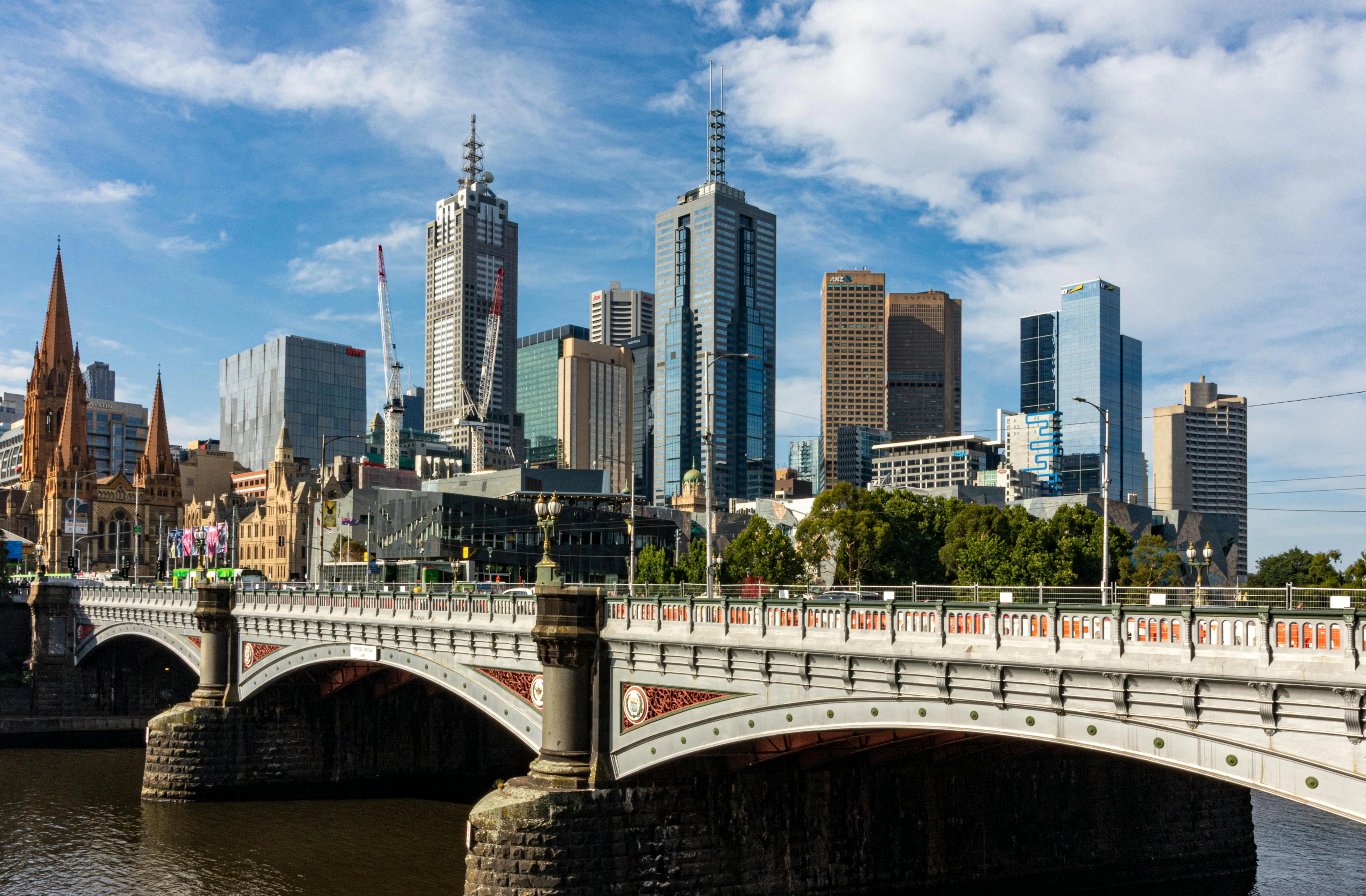
Commercial property investment in Melbourne continues to attract investors seeking stronger rental yields, long-term lease security, and exposure to one of Australia’s largest business economies. Office suites, industrial warehouses, retail assets, medical spaces, and mixed-use commercial properties each offer different income potential, tenant demand patterns, and risk levels. Investors who understand local business districts, vacancy trends, lease structures, infrastructure growth, and commercial zoning are better positioned to identify high-yield business spaces with sustainable long-term value.
Why Melbourne Commercial Property Attracts Investors
Melbourne remains one of Australia’s most active commercial property markets because of its population growth, diversified economy, infrastructure investment, and expanding business sectors. Demand for commercial space is driven by industries including logistics, healthcare, technology, retail trade, construction, education, and professional services.
Many investors shift toward commercial assets because residential rental yields are often lower than commercial returns. Commercial tenants may also sign longer leases, contribute to outgoings, and invest in fit-outs, which can improve cash flow stability for landlords.
High-yield business spaces in Melbourne are commonly found in industrial estates, outer metropolitan business corridors, medical precincts, neighbourhood retail hubs, and emerging mixed-use developments. Yield performance depends on tenant quality, lease length, building functionality, and local demand conditions rather than location alone.
Major Factors Supporting Melbourne’s Commercial Property Market
Infrastructure projects continue to reshape commercial demand across Melbourne. Transport upgrades, freight networks, suburban rail expansions, and logistics corridors increase accessibility for businesses and create opportunities for industrial and retail growth.
Melbourne’s western and northern suburbs have seen increased warehouse and logistics demand because of e-commerce expansion and freight movement requirements. At the same time, healthcare-related commercial properties have gained investor attention due to population ageing and rising demand for medical services.
Flexible working arrangements have also changed the office market. Premium office spaces in central locations remain important for many businesses, but suburban commercial hubs are becoming more attractive for companies seeking lower occupancy costs and easier employee access.
Commercial Property vs Residential Investment
Commercial property investment differs significantly from residential property ownership. The risks, financing structures, lease agreements, and income models are more complex, but potential returns can also be higher.
Residential leases are generally shorter and provide landlords with less control over operating expenses. Commercial leases may run for several years and often include clauses where tenants pay maintenance costs, council rates, insurance contributions, or fit-out expenses.
Vacancy risk is one of the largest differences. A vacant residential property may be re-leased relatively quickly in strong housing markets. Commercial spaces can remain vacant for longer periods if they are poorly located, outdated, oversized, or unsuitable for changing business needs.
Investors, therefore, need to evaluate commercial assets based on tenant retention potential, local business activity, property adaptability, and future infrastructure demand rather than relying solely on property appreciation trends.
What Defines a High-Yield Business Space
A high-yield commercial property generally produces higher rental income relative to its purchase price while maintaining manageable vacancy and operating risks. However, high yield alone does not automatically indicate a strong investment. Sustainable tenant demand, lease stability, and long-term property usability are equally important.
In Melbourne, commercial yields vary widely depending on asset class, location, tenant profile, building quality, and economic conditions. Industrial properties, smaller suburban retail spaces, and specialised medical premises often provide stronger yields than premium CBD office towers.
Key Drivers of Commercial Property Yield
Lease structure has a direct impact on income performance. Long-term leases with fixed annual increases can provide predictable cash flow and improve investment stability. Investors often prefer tenants with established trading histories because business failure risk can affect rental continuity.
Property functionality also matters. Warehouses with high clearance access, medical clinics near hospitals, and retail spaces with strong pedestrian visibility are generally more competitive in the leasing market.
Accessibility influences both tenant demand and long-term asset value. Commercial properties near transport infrastructure, major arterial roads, freight corridors, or growing residential communities may experience stronger occupancy demand over time.
Investors should also assess local vacancy rates carefully. A property offering unusually high yield may indicate elevated vacancy risk, declining tenant demand, or structural limitations affecting future leasing potential.
Why Tenant Quality Matters More Than Rental Price
Reliable tenants often provide more long-term value than properties with higher advertised rents but unstable occupancy history. A financially secure tenant with a long lease can reduce vacancy periods, legal disputes, and re-leasing costs.
Investors commonly review tenant industries before purchasing commercial assets. Businesses operating in essential sectors such as healthcare, logistics, food distribution, automotive services, childcare, and professional services may offer stronger resilience during economic fluctuations.
Lease terms should also be reviewed carefully. Commercial leases may include rent review clauses, renewal options, maintenance obligations, and incentives that significantly affect actual income performance.
Understanding the tenant’s business model is particularly important for retail investments. A tenant heavily dependent on declining foot traffic or seasonal demand may carry greater risk compared to service-based businesses with repeat customer demand.
Cash Flow Planning for Commercial Investors
Commercial property investment requires stronger cash reserve planning than many first-time investors expect. Vacancy periods, fit-out contributions, legal expenses, maintenance upgrades, and refinancing costs can affect overall returns.
Commercial lenders may require larger deposits compared to residential loans, and interest rates can differ depending on property type and tenant quality. Investors should also account for valuation costs, stamp duty, legal fees, and potential capital expenditure requirements before purchase.
Building condition assessments are especially important in older Melbourne commercial properties. Electrical systems, roofing, plumbing, accessibility compliance, fire safety systems, and structural integrity can significantly influence future maintenance costs.
Strong cash flow planning allows investors to maintain assets during tenant transitions and avoid pressure to accept weaker lease agreements simply to fill vacancies quickly.
Best Commercial Property Types for Yield in Melbourne
Different commercial property categories perform differently across Melbourne’s market cycles. Investors should match asset selection with risk tolerance, income goals, management capacity, and long-term market expectations.
Industrial and Warehouse Properties
Industrial assets remain among the strongest-performing commercial sectors in Melbourne due to freight demand, logistics expansion, and e-commerce growth. Warehouses, distribution facilities, and light industrial units are often easier to lease than highly specialised office spaces.
Industrial tenants usually prioritise transport access, loading capacity, warehouse height, and operational efficiency. Areas near major road infrastructure and freight routes frequently attract logistics operators, manufacturers, and storage businesses.
Investors often prefer industrial properties because maintenance obligations may be lower than those of retail or office assets. Demand for flexible industrial spaces has also increased among small businesses and online retailers requiring scalable operations.
Retail Commercial Spaces
Retail property investment outcomes depend heavily on location quality and tenant relevance. Large shopping centre retail can face pressure from online retail competition, while neighbourhood retail strips with service-based tenants may maintain stronger resilience.
Businesses such as pharmacies, cafes, medical providers, grocery stores, gyms, and convenience retailers often generate repeat local traffic. Commercial investors frequently target retail properties in growing residential suburbs where population expansion supports ongoing consumer demand.
Street visibility, parking access, and pedestrian movement are critical considerations. Retail properties in declining trade areas may experience elevated vacancy risks even if initial yields appear attractive.
Medical and Healthcare Commercial Assets
Medical commercial properties have become increasingly attractive because healthcare demand tends to remain relatively stable across economic cycles. Medical clinics, allied health centres, pathology facilities, and specialist consulting suites often operate under long-term lease agreements.
Proximity to hospitals, aged care communities, transport infrastructure, and growing residential suburbs can strengthen long-term tenant demand for healthcare-related spaces.
Medical tenants frequently invest heavily in fit-outs and operational infrastructure, which can encourage longer occupancy periods. However, specialised layouts may reduce flexibility for future tenant replacement if a lease ends unexpectedly.
Melbourne Growth Corridors and Business Hotspots
Commercial property performance in Melbourne is closely linked to infrastructure growth, business expansion, freight accessibility, and population movement. Investors often focus on growth corridors where commercial demand is expected to increase alongside residential development and transport upgrades.
Melbourne’s western suburbs continue to attract industrial and logistics investment because of freight connectivity, warehouse demand, and expanding distribution networks. Northern industrial precincts also remain important for manufacturing, transport, and storage operations.
Inner-city commercial markets still attract premium tenants, particularly in finance, legal services, and technology sectors. However, rising occupancy costs have encouraged many businesses to consider suburban commercial hubs that offer lower operating expenses and easier employee access.
Why Suburban Commercial Hubs Are Growing
Suburban commercial precincts have experienced stronger interest as businesses adapt to hybrid work arrangements and decentralised operations. Many companies now seek office or mixed-use spaces closer to residential communities rather than relying entirely on central business district locations.
Investors increasingly target suburban office suites, medical centres, childcare facilities, and service-based retail assets because these properties may benefit from local population growth and reduced commuting patterns.
Areas with improving public transport access, healthcare infrastructure, educational facilities, and residential development pipelines often demonstrate stronger long-term commercial demand potential.
How Infrastructure Projects Influence Commercial Property Value
Infrastructure investment can significantly affect commercial property performance over time. Road expansions, rail upgrades, freight terminals, airport connectivity, and public transport improvements may increase business activity and property demand in surrounding areas.
Commercial investors frequently monitor planned infrastructure corridors because early investment near major projects can improve long-term capital growth potential and tenant demand.
However, investors should evaluate whether infrastructure projects directly support business usability rather than assuming all nearby developments will increase commercial value equally.
Commercial Property Risks Investors Should Understand
Commercial property investment can generate strong returns, but the risks are often more complex than residential property ownership. Investors should understand leasing risk, market cycles, maintenance obligations, financing pressure, and tenant dependency before purchasing business spaces.
Vacancy Risk and Tenant Turnover
One of the largest commercial investment risks is prolonged vacancy. Unlike residential housing, commercial properties may take months to lease if market conditions weaken or the space lacks flexibility for modern business needs.
Vacancy periods can significantly reduce cash flow because landlords may still need to cover loan repayments, insurance, maintenance costs, council rates, and property management expenses.
Specialised commercial spaces can carry additional leasing risk. Properties designed for a narrow business category may require expensive modifications before attracting new tenants.
Economic Cycles and Business Performance
Commercial property markets are heavily influenced by economic conditions. During periods of reduced business activity, some tenants may downsize, relocate, or close operations entirely.
Retail and office sectors are particularly sensitive to employment trends, consumer spending, and business confidence. Industrial and healthcare-related properties may show greater resilience during slower economic periods because of ongoing operational demand.
Investors should avoid relying entirely on optimistic rental growth assumptions. Sustainable investment decisions are usually based on realistic occupancy expectations and conservative financial planning.
Maintenance, Compliance, and Building Upgrades
Older commercial properties may require significant upgrades to remain competitive and legally compliant. Fire safety systems, disability access requirements, electrical standards, energy efficiency expectations, and structural maintenance can affect long-term ownership costs.
Investors purchasing ageing commercial assets should conduct detailed building inspections and review compliance documentation before settlement. Deferred maintenance can quickly reduce investment returns if major repairs become necessary after acquisition.
Energy-efficient buildings are also becoming more important for many commercial tenants. Businesses increasingly evaluate operational costs and environmental performance when selecting premises.
Commercial Property Financing and Lending Considerations
Commercial lending structures differ substantially from residential mortgage financing. Banks and lenders typically assess commercial assets based on lease income stability, tenant quality, property type, location strength, and investor experience.
Deposit Requirements and Loan Structures
Commercial property loans often require larger deposits than residential property purchases. Loan-to-value ratios may vary depending on asset risk, lease profile, and market conditions.
Lenders may view vacant commercial properties or specialised business premises as higher risk because future rental income can be less predictable. Properties with long-term leases to financially stable tenants may receive more favourable lending terms.
Investors should also consider interest rate variability, refinancing risk, and future borrowing capacity before committing to commercial acquisitions.
Why Cash Reserves Are Essential
Commercial investors benefit from maintaining stronger liquidity reserves than many residential landlords. Unexpected vacancy periods, tenant incentives, refurbishment costs, and economic downturns can create financial pressure if cash flow planning is insufficient.
Reserve funds also allow landlords to improve properties strategically during lease transitions rather than delaying upgrades because of limited capital availability.
Investors relying heavily on maximum leverage may face greater refinancing challenges during periods of higher interest rates or falling commercial valuations.
Due Diligence Before Buying Commercial Property
Thorough due diligence is one of the most important stages of commercial property investment. Investors should assess legal, financial, operational, and structural factors before signing contracts or arranging finance.
Reviewing Commercial Lease Agreements
Commercial leases contain clauses that directly affect investment performance. Investors should review lease duration, rental escalation terms, maintenance responsibilities, renewal options, tenant incentives, and make-good obligations carefully.
Lease review also helps investors identify whether rental income aligns with broader market conditions. Overstated rents may appear attractive initially but could create re-leasing difficulties if tenants vacate.
Understanding tenant rights and landlord obligations is particularly important for first-time commercial investors unfamiliar with commercial leasing structures.
Analysing Local Business Demand
Commercial property value is closely tied to local business activity and demographic trends. Investors should evaluate surrounding businesses, population growth, transport access, competition levels, and future development plans before purchasing.
Strong locations generally demonstrate ongoing business demand, visible customer access, and adaptability for multiple commercial uses.
Investors should also examine vacancy rates within the surrounding commercial precinct. High vacancy levels may indicate oversupply, weak business demand, or changing economic conditions.
Importance of Professional Advice
Commercial transactions often involve more complex legal and financial considerations than residential purchases. Investors commonly work with solicitors, accountants, finance brokers, surveyors, and commercial property specialists during an acquisition.
Independent legal review is particularly important when evaluating lease obligations, zoning conditions, planning restrictions, environmental liabilities, and ownership structures.
Professional due diligence can help investors identify risks that may not be immediately visible during property inspections or marketing campaigns.
Common Commercial Property Investment Mistakes
Many commercial property investment mistakes result from focusing too heavily on advertised yield without understanding long-term leasing risk, tenant quality, or market sustainability.
Chasing High Yield Without Market Analysis
Properties offering unusually high rental returns may carry hidden risks such as short lease terms, unstable tenants, poor locations, or future maintenance liabilities.
Sustainable commercial investment performance usually depends on balanced decision-making rather than headline yield figures alone.
Buying Inflexible Commercial Spaces
Highly specialised commercial buildings may struggle to attract replacement tenants if market conditions change. Flexible layouts generally improve leasing adaptability across different business sectors.
Investors should consider whether the property can accommodate evolving tenant requirements over the long term.
Underestimating Ownership Costs
Commercial ownership expenses can extend beyond standard maintenance and loan repayments. Legal compliance upgrades, vacancy incentives, insurance costs, structural repairs, and building modernisation may significantly affect profitability.
Investors who budget conservatively are often better prepared for changing market conditions and tenant transitions.
Building a Long-Term Commercial Property Strategy
Successful commercial property investment in Melbourne generally depends on long-term planning rather than short-term market speculation. Investors who focus on sustainable tenant demand, adaptable property functionality, and strong financial management are often better positioned to navigate market cycles.
Asset selection should align with investment objectives, risk tolerance, cash flow expectations, and management capacity. Industrial properties, healthcare-related assets, suburban retail spaces, and mixed-use developments each offer different opportunities and operational considerations.
Market conditions, infrastructure investment, economic growth, and demographic shifts will continue influencing Melbourne’s commercial property landscape. Investors who conduct detailed due diligence and maintain disciplined financial planning are more likely to build resilient commercial portfolios over time.
Future Trends in Melbourne Commercial Property
Melbourne’s property market continues to evolve as business operations, workforce behaviour, technology adoption, and infrastructure priorities change. Investors assessing long-term opportunities should monitor how these trends influence tenant demand, lease structures, and commercial property usability.
The Ongoing Impact of Hybrid Work
Hybrid work arrangements continue to reshape office demand across Melbourne. While premium office towers remain important for many corporations, businesses are increasingly prioritising flexible layouts, collaborative spaces, and suburban accessibility.
Smaller office suites in suburban business districts may continue attracting companies seeking lower operating costs and reduced employee commuting times. Investors should evaluate whether office properties can adapt to changing workspace requirements rather than relying solely on traditional leasing models.
Industrial and Logistics Expansion
Industrial commercial property remains one of Melbourne’s strongest-performing sectors due to e-commerce growth, freight movement demand, and supply chain expansion. Warehousing, fulfilment centres, and transport-linked industrial facilities are expected to remain important components of the city’s commercial landscape.
Investors may continue focusing on industrial precincts with strong transport infrastructure, access to freight corridors, and scalable warehouse configurations suitable for evolving business operations.
Sustainability and Energy-Efficient Commercial Buildings
Sustainability standards are becoming increasingly important within commercial property markets. Many businesses now consider energy efficiency, environmental performance, and operating costs when selecting commercial premises.
Buildings with efficient lighting systems, modern insulation, renewable energy integration, and improved environmental ratings may become more attractive to long-term tenants. Investors holding older commercial assets may need to consider future upgrade requirements to remain competitive.
Managing Commercial Investment Properties
Effective commercial property management directly influences tenant retention, rental stability, maintenance costs, and long-term asset value. Investors who actively manage commercial assets are often better positioned to reduce vacancy risk and maintain competitive leasing conditions.
Tenant Relationship Management
Strong tenant relationships can improve lease renewal rates and reduce costly vacancy periods. Commercial tenants generally value responsive maintenance management, clear communication, and operational stability.
Investors should monitor tenant business performance where possible, particularly in sectors vulnerable to economic changes. Early communication regarding lease renewals or operational challenges may help reduce future occupancy disruptions.
Preventive Maintenance and Asset Preservation
Preventive maintenance plays an important role in preserving commercial asset value. Delayed repairs can affect tenant satisfaction, leasing competitiveness, and future capital expenditure requirements.
Commercial investors commonly develop scheduled maintenance plans covering roofing systems, electrical infrastructure, plumbing, fire safety compliance, accessibility features, and external building presentation.
Well-maintained commercial properties are generally more attractive to prospective tenants and may support stronger long-term rental performance.
When Professional Property Management May Help
Some investors choose professional commercial property management services to handle lease administration, tenant communication, maintenance coordination, and compliance monitoring.
Professional management may be particularly useful for investors holding multiple commercial assets or properties requiring specialised operational oversight.
Management arrangements should be reviewed carefully to understand service scope, reporting standards, and fee structures before appointment.
Planning an Exit Strategy for Commercial Investments
Exit planning is an important part of a commercial property investment strategy. Investors should consider resale timing, market conditions, lease structures, tax implications, and asset positioning well before planning to sell.
Timing the Sale of a Commercial Property
Commercial property valuation is often influenced by lease stability and tenant quality at the time of sale. Properties with long-term leases and reliable tenants may attract stronger investor demand compared to vacant or short-term leased assets.
Market conditions also affect buyer activity. Interest rate changes, economic confidence, and business expansion trends can influence commercial transaction volumes and pricing.
Using Capital Improvements to Strengthen Asset Value
Strategic building improvements may improve tenant retention and overall property value before sale. Upgraded facilities, improved energy efficiency, modernised building systems, and enhanced accessibility can strengthen market appeal.
Investors should evaluate whether improvement costs are likely to support stronger leasing outcomes or resale positioning before committing to major redevelopment works.
Frequently Asked Questions
What is the best commercial property type for high yield in Melbourne?
Industrial warehouses, logistics facilities, suburban retail spaces, and medical commercial properties are often considered strong high-yield options in Melbourne. Performance depends on tenant quality, location, lease terms, and local business demand.
Is commercial property investment riskier than residential property?
Commercial property can involve higher vacancy risk and more complex lease structures than residential property. However, commercial assets may also provide stronger rental yields and longer lease agreements when managed effectively.
How much deposit is usually needed for commercial property in Melbourne?
Commercial lenders often require larger deposits compared to residential loans. Deposit requirements vary depending on the property type, tenant profile, investor experience, and lender policies.
Why is tenant quality important in commercial investment?
Reliable tenants can improve rental stability, reduce vacancy periods, and strengthen long-term investment performance. Investors often assess tenant financial stability and lease history before purchasing commercial assets.
Why are industrial properties popular with commercial investors?
Industrial properties are supported by logistics growth, e-commerce demand, and freight activity. Warehouses and distribution facilities often attract long-term operational tenants and may offer relatively stable leasing demand.
What due diligence should investors complete before buying commercial property?
Investors should review lease agreements, building condition reports, zoning restrictions, vacancy trends, compliance requirements, tenant history, and financing structures before purchasing commercial property.
Key Takeaways
- Commercial property yields: Melbourne commercial assets can provide stronger rental returns than many residential investments, but risk levels vary across property sectors.
- Industrial and medical sectors: Warehouses, logistics facilities, and healthcare-related commercial properties continue attracting investor attention because of long-term operational demand.
- Tenant quality matters: Stable tenants with secure lease agreements often contribute more to long-term investment performance than high advertised rental figures alone.
- Due diligence is essential: Investors should assess leases, building condition, compliance requirements, vacancy trends, and local economic activity before purchasing commercial property.
- Infrastructure influences growth: Transport projects, freight corridors, and suburban population expansion can significantly affect future commercial property demand in Melbourne.
- Long-term planning improves resilience: Sustainable commercial investment strategies usually focus on adaptable properties, realistic cash flow planning, and disciplined asset management.
References
- Victorian Government planning and infrastructure publications
- Australian commercial property market research reports
- Commercial leasing and property investment guidance publications
- Australian property finance and lending resources
- Commercial real estate market analysis and industry reports