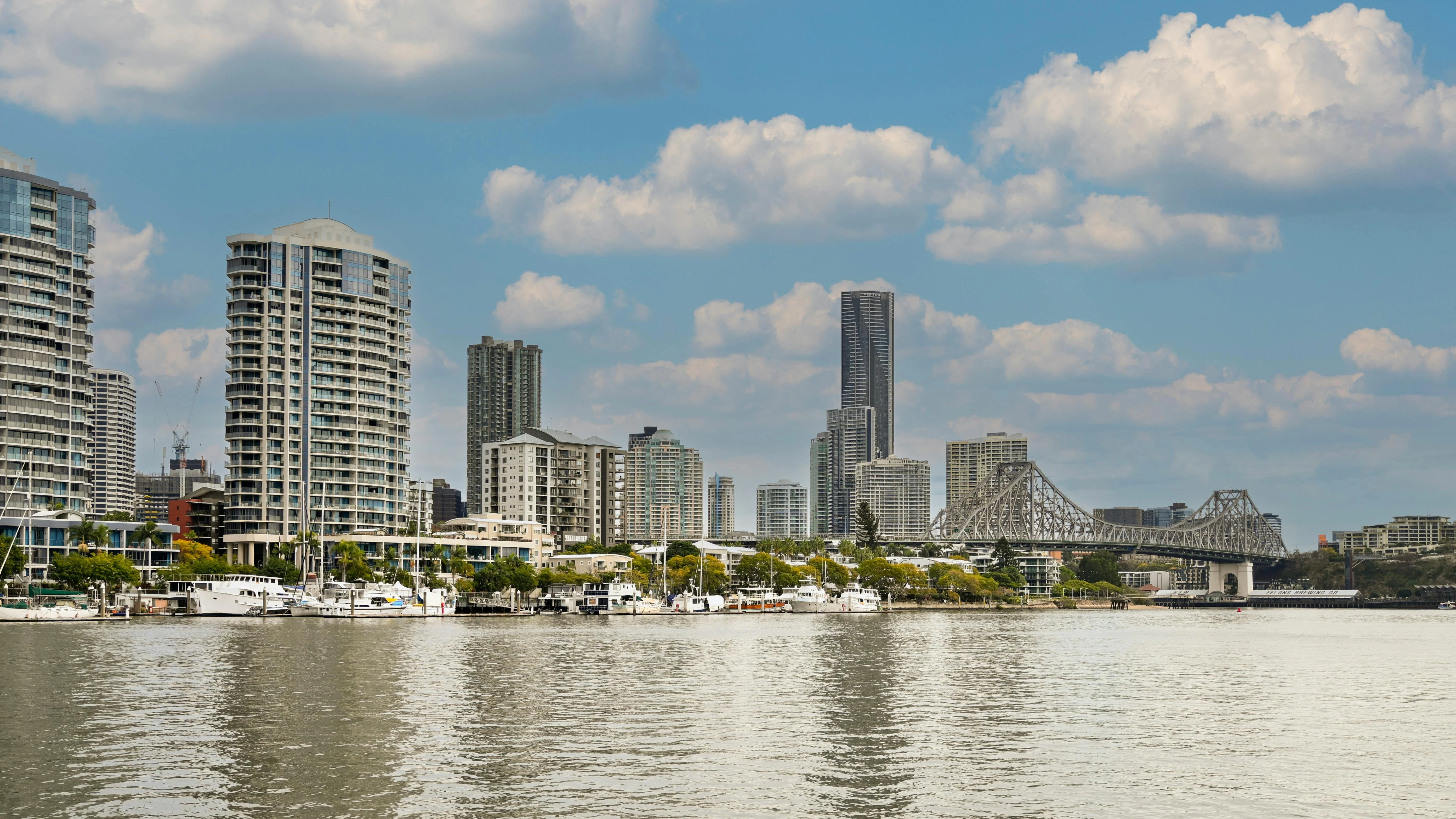
Commercial property investment in Brisbane attracts buyers seeking stronger rental yields, long-term lease stability, and exposure to one of Australia’s fastest-evolving capital cities. Brisbane’s expanding infrastructure pipeline, interstate migration growth, and business sector diversification continue to influence demand across office, industrial, retail, and mixed-use commercial assets. Successful investment decisions depend on location analysis, tenant quality, zoning regulations, asset performance metrics, financing structure, and long-term market fundamentals rather than short-term speculation.
Why Brisbane Is Attracting Commercial Property Investors
Brisbane has become a major commercial investment market because it combines population growth, infrastructure spending, comparatively lower entry prices than Sydney or Melbourne, and increasing business migration into South East Queensland. Investors are increasingly evaluating Brisbane commercial assets for both income generation and long-term capital appreciation.
The city’s economic expansion is supported by transport upgrades, logistics demand, healthcare growth, education sector expansion, and preparations linked to future international events and infrastructure commitments. These factors influence both tenant demand and commercial land values across multiple precincts.
Brisbane’s commercial property market fundamentals
Investors often compare Brisbane with larger Australian commercial markets and identify a lower acquisition barrier relative to comparable metropolitan assets. While pricing varies significantly by suburb and asset class, many Brisbane commercial properties still offer yield advantages compared with highly compressed markets in Sydney.
Several structural factors continue influencing buyer interest:
- Population growth across South East Queensland
- Interstate migration from higher-cost markets
- Expansion of industrial and logistics corridors
- Infrastructure-led urban renewal projects
- Demand for healthcare and essential-service tenancies
- Growth in professional and technology sectors
- Transport connectivity improvements
Commercial investors typically focus on suburbs and precincts where employment growth, infrastructure access, and tenant demand intersect. Areas with strong transport access, proximity to freight networks, or evolving mixed-use development plans often attract sustained investor attention.
How commercial property differs from residential investment
Commercial property investment in Brisbane operates differently from residential real estate in terms of leases, income structure, vacancy risk, financing requirements, and tenant obligations. Investors entering the Brisbane commercial market should understand these differences before purchasing an asset.
Commercial leases are generally longer than residential leases and may include annual rent increases tied to fixed percentages, CPI adjustments, or market reviews. Many commercial tenants also contribute to operating expenses such as maintenance, insurance, and council rates under net lease arrangements.
However, commercial investments may also involve:
- Longer vacancy periods between tenants
- Higher sensitivity to economic cycles
- More complex due diligence requirements
- Stricter financing assessments from lenders
- Greater exposure to sector-specific downturns
Investors often view commercial property as an income-focused asset class. Lease quality, tenant covenant strength, lease duration, and occupancy stability can significantly influence asset valuation.
Which Brisbane areas are drawing investor interest?
Investor activity is not limited to Brisbane CBD assets. Interest extends across inner-city renewal precincts, industrial corridors, suburban retail hubs, and healthcare-linked commercial zones. Different asset types perform differently depending on local demographics and infrastructure access.
Industrial and logistics properties remain closely linked to freight access, warehousing demand, and e-commerce expansion. Office investments depend heavily on occupancy trends, flexible workspace demand, and business migration patterns. Retail assets are increasingly evaluated based on essential-service resilience and local population growth rather than traditional discretionary retail exposure alone.
Investors commonly assess:
- Vacancy rates within the precinct
- Infrastructure commitments and transport links
- Future zoning or redevelopment potential
- Local business activity
- Tenant demand by industry
- Supply pipeline risks
- Neighbourhood population growth
Smart commercial buyers avoid relying solely on suburb popularity. Detailed local analysis usually produces more reliable investment outcomes than broad market assumptions.
Types of Commercial Property Investments in Brisbane
Brisbane’s commercial market includes multiple asset classes with different risk profiles, lease structures, tenant demands, and growth characteristics. Choosing the right property type depends on investment goals, budget, risk tolerance, and expected holding period.
Office property investment
Office investments range from CBD towers and fringe office spaces to suburban professional suites. Brisbane’s office sector has experienced changing demand patterns due to hybrid work arrangements, tenant downsizing in some industries, and increased demand for high-quality, energy-efficient spaces.
Investors assessing office assets should evaluate:
- Tenant lease expiry schedules
- Building quality and maintenance requirements
- Parking availability
- Public transport access
- Competing supply in the area
- Floorplate flexibility
- Energy efficiency standards
Premium office assets with strong tenants and modern amenities may offer stability, but secondary-grade office properties can face leasing challenges if demand weakens.
Industrial and logistics properties
Industrial real estate remains one of Brisbane’s strongest-performing commercial sectors due to logistics demand, freight connectivity, and warehousing expansion. Distribution facilities, storage units, manufacturing sites, and last-mile delivery hubs continue attracting investor interest.
Industrial assets are often valued for:
- Longer lease durations
- Strong tenant retention
- Lower fit-out complexity
- High demand near transport infrastructure
- Scalability for logistics operators
However, industrial investments still require careful due diligence regarding zoning compliance, environmental obligations, flood exposure, truck access, and site functionality.
Brisbane’s strategic position within South East Queensland supports ongoing industrial demand, particularly in transport-linked precincts and outer growth corridors.
Retail commercial property investment
Retail property performance depends heavily on tenant mix, local demographics, foot traffic patterns, and economic resilience. Investors increasingly prioritise neighbourhood retail centres anchored by essential services rather than discretionary retail exposure alone.
Retail assets may include:
- Neighbourhood shopping centres
- Standalone fast-food outlets
- Medical retail premises
- Large-format retail spaces
- Mixed-use retail developments
- High-street commercial shops
Long-term leases with established tenants can improve income predictability. However, retail investors should examine local competition, consumer behaviour shifts, parking accessibility, and lease renewal history.
Population growth corridors often support stronger demand for convenience-focused retail properties because they serve expanding residential catchments.
What Drives Commercial Property Returns in Brisbane
Commercial property returns are influenced by both income performance and capital value growth. Investors evaluating Brisbane commercial assets should understand the primary factors that affect rental income stability, asset demand, and long-term valuation trends.
Tenant quality and lease strength
A commercial property’s value is closely connected to the reliability of its tenants. Strong tenants with stable financial performance and long lease commitments generally reduce income risk for investors.
Key lease considerations include:
- Remaining lease term
- Rent review structure
- Options to renew
- Tenant industry stability
- Vacancy history
- Incentive arrangements
- Outgoings recovery terms
Investors often pay premium prices for assets leased to national tenants or essential-service operators because these properties may provide more predictable income streams.
Rental yield versus capital growth
Commercial property buyers frequently balance two objectives: generating immediate income and achieving long-term capital appreciation. Higher-yielding assets may involve greater risk, while lower-yielding assets in tightly held locations may offer stronger long-term growth potential.
Yield analysis should account for:
- Net rental income
- Vacancy assumptions
- Operating costs
- Future capital expenditure
- Lease expiry concentration
- Market rent alignment
Investors should avoid focusing solely on headline yield figures. A high advertised return may mask leasing risks, deferred maintenance issues, short lease terms, or tenant instability.
How infrastructure projects affect commercial property values
Infrastructure investment can significantly influence commercial property performance by improving accessibility, increasing employment activity, and supporting population growth. Brisbane continues to experience major transport and urban development projects that may reshape commercial demand patterns across multiple precincts.
Commercial investors often monitor:
- Road and motorway expansions
- Public transport upgrades
- Urban renewal projects
- Freight and logistics infrastructure
- Healthcare and education expansion
- Large-scale mixed-use developments
Infrastructure alone does not guarantee investment success. Buyers must assess whether future supply increases could offset expected demand growth within a specific location.
Thorough due diligence remains essential because commercial property performance depends on asset quality, tenant resilience, financing structure, and local market conditions alongside broader infrastructure trends.
What Does Commercial Property Investment Cost in Brisbane?
Commercial property investment costs in Brisbane vary significantly depending on location, asset type, tenancy profile, building condition, and development potential. Buyers should evaluate not only the purchase price but also acquisition costs, financing requirements, operating expenses, and future capital expenditure obligations.
Understanding entry costs beyond the purchase price
Many first-time commercial investors underestimate the total upfront costs involved in acquiring a commercial asset. Commercial transactions often involve higher due diligence expenses and more complex legal review processes than residential property purchases.
Buyers commonly budget for:
- Deposit requirements
- Stamp duty obligations
- Legal and conveyancing fees
- Building and pest inspections
- Survey and planning assessments
- Valuation reports
- Loan establishment costs
- Environmental investigations where relevant
Commercial lenders may also require more extensive financial documentation and lower loan-to-value ratios compared with residential financing. Investors should account for liquidity requirements before entering negotiations.
Why cash flow analysis matters in commercial property
Strong commercial investments are evaluated on sustainable net income rather than purchase price alone. Investors should calculate realistic cash flow projections using conservative assumptions about vacancies, maintenance, and future leasing conditions.
Key financial considerations include:
- Net operating income
- Annual rental escalation clauses
- Tenant contribution to outgoings
- Maintenance liabilities
- Insurance costs
- Property management fees
- Potential downtime between tenants
- Future refurbishment requirements
Investors should examine whether current rental income aligns with prevailing market rates. Above-market rents may appear attractive initially, but could create leasing risk when tenants renew or vacate.
Financing commercial property in Brisbane
Commercial property finance differs substantially from residential lending. Banks typically assess the property’s income-generating ability alongside the borrower’s financial profile and business experience.
Lenders may evaluate:
- Tenant lease quality
- Remaining lease terms
- Asset location
- Property condition
- Industry exposure
- Vacancy risk
- Borrower liquidity and servicing capacity
Interest rates, lending conditions, and borrowing capacity can vary depending on the property category. Industrial assets with stable tenants may receive more favourable financing treatment than highly specialised or secondary-grade properties.
Investors should also understand refinancing risk. Loan conditions may change over time due to market conditions, interest rate movements, or shifts in asset performance.
Legal and Financial Considerations for Buyers
Commercial property transactions involve legal complexities that can materially affect investment performance and ownership obligations. Thorough due diligence is essential before signing contracts or committing capital.
What commercial property due diligence should include
Due diligence helps investors identify risks that may not be visible during initial inspections. Commercial assets should be reviewed from financial, legal, structural, planning, and operational perspectives.
Important due diligence areas include:
- Existing lease agreements
- Zoning and permitted use
- Development restrictions
- Building compliance certifications
- Environmental liabilities
- Structural integrity assessments
- Fire safety compliance
- Outstanding disputes or legal claims
- Council approvals and permits
Investors should also confirm whether any future infrastructure projects, road resumptions, or planning changes could affect property access or redevelopment potential.
Why lease reviews are critical before purchase
Lease agreements form the financial foundation of most commercial property investments. Buyers should review lease documents carefully to understand tenant obligations, income reliability, and potential future risks.
Commercial lease reviews typically examine:
- Lease duration and expiry dates
- Rent review mechanisms
- Make-good obligations
- Repair and maintenance responsibilities
- Default clauses
- Option periods
- Subleasing rights
- Termination provisions
A property with a long lease but a financially weak tenant may present greater risk than a shorter lease with a stable and expanding business operator.
Tax considerations for commercial property investors
Commercial property taxation can be complex and varies according to ownership structure, asset use, and investor circumstances. Buyers often seek specialist accounting advice before acquisition to understand both short-term and long-term tax implications.
Investors may need to assess:
- Goods and Services Tax obligations
- Land tax exposure
- Capital gains tax implications
- Depreciation opportunities
- Trust or company ownership structures
- Income tax treatment of rental earnings
Proper structuring can influence asset protection, financing flexibility, taxation outcomes, and succession planning considerations.
Common Risks in Commercial Property Investment
Commercial property investment can generate stable income and long-term growth, but it also involves risks that investors should evaluate carefully before acquisition. Understanding these risks helps buyers make more informed decisions and reduce avoidable financial exposure.
Vacancy and tenant turnover risk
One of the largest commercial investment risks is prolonged vacancy. Commercial properties can remain unleased for extended periods depending on economic conditions, property location, rental pricing, and tenant demand.
Vacancy risk becomes more significant when:
- The property is highly specialised
- Lease expiry concentration is high
- The local market has oversupply issues
- Tenant demand weakens in a sector
- Building functionality becomes outdated
Investors should maintain contingency reserves capable of covering loan repayments, insurance, and operating expenses during vacancy periods.
Economic cycles and market fluctuations
Commercial property performance is closely tied to broader economic conditions. Interest rates, business confidence, employment growth, and industry-specific trends can influence leasing activity and property valuations.
Certain sectors may be more vulnerable during economic downturns. For example:
- Retail assets may face reduced discretionary spending
- Office markets may experience downsizing trends
- Industrial demand may slow during weaker trade conditions
- Hospitality-linked assets may be affected by tourism fluctuations
Diversification across tenant industries and asset categories can help reduce concentration risk within a commercial property portfolio.
Building obsolescence and capital expenditure risk
Older commercial buildings may require substantial upgrades to remain competitive in the leasing market. Investors should assess both immediate repair requirements and long-term refurbishment obligations before acquisition.
Common future capital expenditure risks include:
- Roof replacement
- Mechanical system upgrades
- Accessibility compliance works
- Fire safety improvements
- Energy efficiency retrofits
- Parking and access modifications
Assets that fail to meet modern tenant expectations may struggle to retain occupants or achieve competitive rental rates.
Mistakes Smart Investors Avoid
Many commercial property investment problems arise from inadequate research, unrealistic assumptions, or incomplete due diligence. Experienced investors focus on risk management as much as income potential.
Chasing high yields without understanding risk
High-yield properties can appear attractive, but unusually strong returns may indicate underlying leasing problems, poor location quality, short tenant commitments, or future vacancy concerns.
Investors should evaluate whether:
- Rental income is sustainable
- Tenants are financially stable
- The property has competitive advantages
- The location supports future demand
- The building requires major upgrades
Sustainable long-term performance generally depends on asset quality and tenant resilience rather than headline yield alone.
Failing to research local market conditions
Commercial property performance varies significantly between Brisbane precincts and asset categories. Broad assumptions about market growth can lead to poor acquisition decisions if local supply and demand dynamics are ignored.
Smart investors research:
- Competing developments
- Vacancy trends
- Local tenant demand
- Infrastructure planning
- Demographic shifts
- Comparable leasing evidence
Hyper-local analysis often provides better investment insight than relying solely on city-wide property trends.
Ignoring lease structure details
Lease structure directly affects income stability and future property value. Investors who fail to examine lease clauses carefully may inherit unexpected liabilities or weakened income protection.
Particular attention should be given to:
- Upcoming lease expiries
- Tenant incentives
- Rent-free arrangements
- Outgoings recovery provisions
- Maintenance obligations
- Market review clauses
Comprehensive lease analysis is essential because commercial property valuation is heavily tied to income security and tenant reliability.
Future Outlook for Brisbane Commercial Property
Brisbane’s commercial property market is expected to remain influenced by infrastructure investment, population expansion, evolving workplace patterns, logistics demand, and economic diversification across South East Queensland. While market cycles will continue affecting asset performance, long-term fundamentals remain an important consideration for investors evaluating future opportunities.
Industrial and logistics assets may continue attracting investor demand
Industrial property remains closely connected to freight movement, warehousing requirements, supply chain activity, and e-commerce distribution networks. Brisbane’s transport connectivity and strategic position within Queensland support ongoing interest in logistics-focused commercial assets.
Demand drivers may include:
- Growth in online retail distribution
- Expansion of freight infrastructure
- Population growth across outer corridors
- Increased storage and logistics requirements
- Business relocation into South East Queensland
However, investors should still monitor supply pipelines carefully because excessive industrial development may place pressure on rental growth in certain precincts.
Office markets are adapting to changing tenant expectations
Brisbane’s office sector continues adjusting to hybrid work arrangements, changing occupancy requirements, and increased demand for flexible workplace environments. Premium office buildings with strong amenities, sustainability credentials, and transport access may continue outperforming outdated stock.
Investors increasingly evaluate:
- Building energy efficiency
- Tenant wellness features
- Flexible floor configurations
- Technology infrastructure
- Accessibility and transport connectivity
Secondary office properties without refurbishment potential may face greater leasing challenges if tenant expectations continue evolving toward higher-quality work environments.
Mixed-use and essential-service assets may remain resilient
Mixed-use developments and commercial properties linked to healthcare, education, childcare, and daily convenience services often demonstrate resilience during changing economic conditions because they support essential community needs.
Investors are increasingly assessing assets with:
- Diverse tenant profiles
- Long-term demographic support
- Integrated residential catchments
- Strong accessibility
- Flexible future use potential
Properties located within expanding residential growth corridors may benefit from increasing consumer demand and population-driven business activity over time.
How Smart Buyers Build a Commercial Property Strategy
Commercial property investment strategies should align with financial objectives, risk tolerance, borrowing capacity, and long-term portfolio goals. Experienced investors generally rely on disciplined analysis rather than speculative market timing.
Define clear investment objectives before purchasing
Different commercial properties suit different investment goals. Some investors prioritise stable income, while others seek redevelopment potential or long-term capital growth.
Buyers commonly define objectives based on:
- Target income requirements
- Portfolio diversification goals
- Preferred holding period
- Growth expectations
- Risk tolerance
- Capital expenditure capacity
A clearly defined strategy can help investors avoid emotionally driven acquisitions and improve decision consistency across changing market conditions.
Why professional advice matters in commercial transactions
Commercial real estate transactions often involve legal, financial, structural, and taxation complexities that require specialist expertise. Investors frequently work with commercial buyers’ agents, accountants, solicitors, finance brokers, valuers, and building consultants during the acquisition process.
Professional guidance may help investors:
- Assess lease quality accurately
- Identify hidden structural risks
- Understand zoning restrictions
- Evaluate financing options
- Review taxation implications
- Analyse fair market value
Independent due diligence remains particularly important when purchasing higher-value commercial assets or properties with complex tenancy structures.
Long-term discipline often matters more than short-term market timing
Commercial property markets can experience periods of volatility, changing demand patterns, and cyclical pricing adjustments. Investors focused exclusively on short-term movements may overlook the importance of asset quality, tenant resilience, and long-term location fundamentals.
Sustainable commercial investment strategies often prioritise:
- Strong tenant covenants
- Functional and adaptable buildings
- Infrastructure-supported locations
- Financial risk management
- Balanced portfolio diversification
- Conservative cash flow planning
Investors who approach commercial property with structured research and realistic expectations are generally better positioned to manage market fluctuations over extended holding periods.
Frequently Asked Questions
What is the best type of commercial property to invest in Brisbane?
The best commercial property type depends on investment goals, budget, and risk tolerance. Industrial and logistics properties are often favoured for tenant demand and lease stability, while office and retail assets may offer different growth and income characteristics depending on location and tenant quality.
How much money do you need to invest in commercial property in Brisbane?
Investment requirements vary based on asset type, location, financing structure, and acquisition costs. Buyers should budget for deposits, legal fees, due diligence expenses, loan costs, and contingency reserves in addition to the purchase price.
Is commercial property riskier than residential property?
Commercial property can involve higher vacancy risk and more complex financing arrangements than residential real estate. However, it may also provide longer lease terms, stronger rental yields, and tenant contributions toward property expenses.
Why is Brisbane attracting commercial property investors?
Brisbane continues attracting investor interest due to population growth, infrastructure spending, business migration, logistics expansion, and comparatively lower commercial entry prices than some larger Australian capital cities.
What due diligence is required before buying commercial property?
Commercial property due diligence generally includes lease reviews, zoning analysis, structural inspections, environmental assessments, financial analysis, compliance verification, and market research relating to vacancy trends and tenant demand.
Key Takeaways
- Brisbane’s commercial market continues evolving: Infrastructure investment, population growth, and economic diversification remain major influences on commercial demand across the city.
- Different asset classes carry different risks: Industrial, office, retail, and mixed-use properties each respond differently to economic cycles, tenant demand, and changing consumer behaviour.
- Lease quality significantly affects investment performance: Tenant stability, lease duration, rental review clauses, and occupancy history are critical factors in commercial property valuation.
- Due diligence is essential before acquisition: Investors should carefully assess legal, structural, financial, environmental, and zoning considerations before purchasing any commercial asset.
- Long-term strategy matters more than speculation: Sustainable commercial investment outcomes are often supported by disciplined research, conservative financial planning, and careful asset selection.
References
- Queensland Government planning and development resources
- Commercial leasing and property law guidance materials
- Australian commercial property market research publications
- Infrastructure and urban development planning reports
- Commercial finance and valuation industry resources