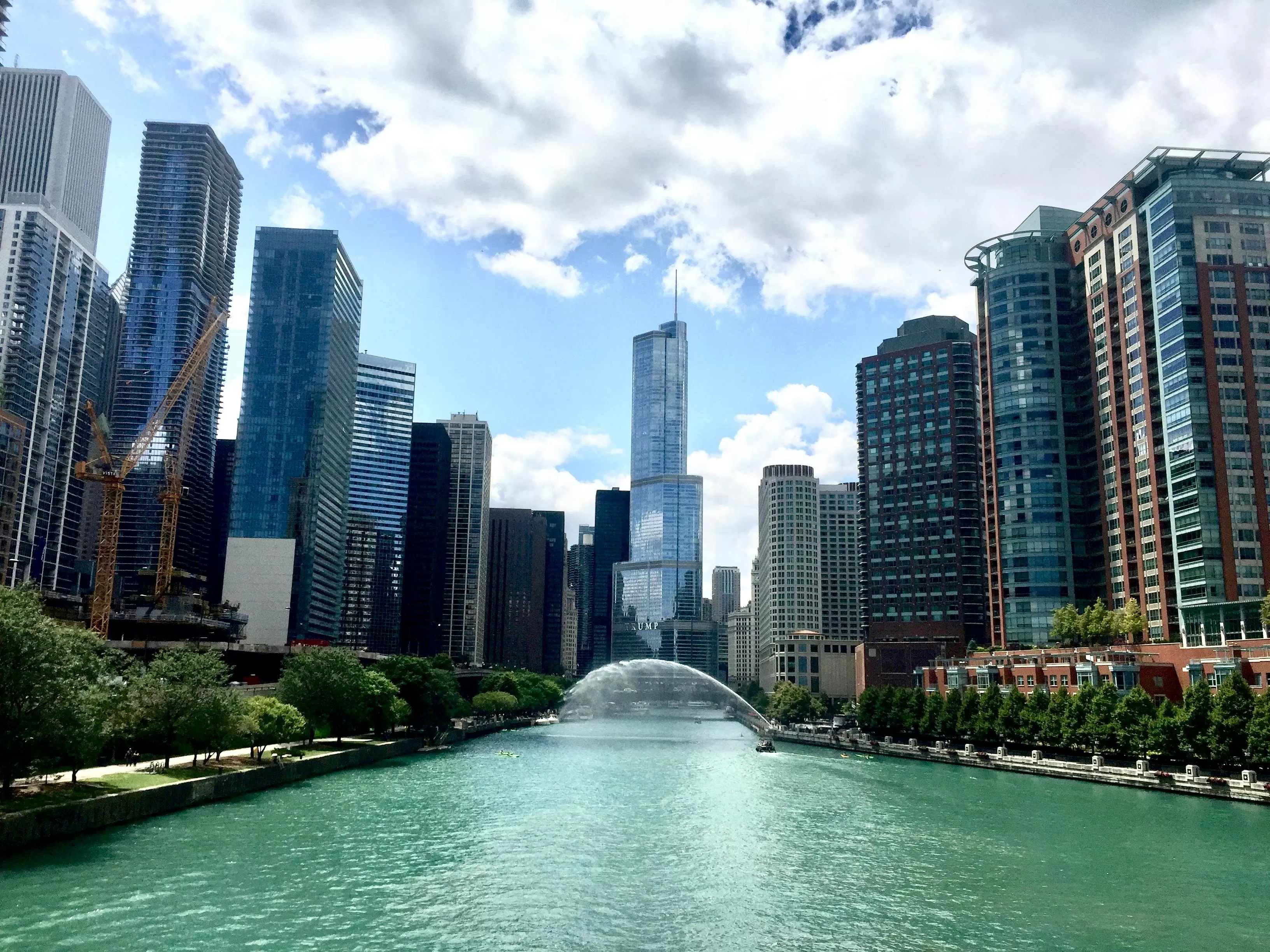
Melbourne offers strong long-term capital growth and reliable rental income, but the “best place” depends on a combination of supply constraints, infrastructure investment, rental demand, and price entry points. For most investors, high-performing suburbs are those with population growth, transport access, limited new housing supply, and proximity to employment hubs—particularly in Melbourne’s inner-ring, middle-ring growth corridors, and selected outer suburbs transforming.
Why Melbourne Remains a Top Investment Market
Melbourne continues to attract property investors because of its consistent population growth, diversified economy, and long-term urban planning strategy. These fundamentals create sustained demand for housing, which directly supports both capital appreciation and rental income stability.
The city’s population growth is driven by both interstate migration and international arrivals. This places ongoing pressure on housing supply, particularly in well-connected suburbs. Limited land availability in established areas further reinforces price growth over time, especially for detached homes and boutique developments.
Melbourne’s economic structure is another key factor. Unlike single-industry cities, Melbourne has strong employment sectors across finance, healthcare, education, technology, and construction. This diversity reduces risk for property investors because tenant demand is not reliant on one economic driver.
Infrastructure investment also plays a central role. Major projects such as rail expansions, road upgrades, and urban renewal zones improve accessibility and increase property desirability. Historically, suburbs benefiting from new infrastructure have shown above-average capital growth over the medium to long term.
For investors focused on rental income, Melbourne’s large student population, young professionals, and migrant workforce create steady tenant demand. Areas near universities, transport hubs, and employment precincts typically experience lower vacancy rates and more consistent rental returns.
What Drives Capital Growth and Rental Yield in Melbourne
Understanding what actually drives property performance is essential before selecting a suburb. Capital growth and rental yield are influenced by different—but often overlapping—factors. Investors who balance both tend to achieve more stable long-term outcomes.
1. Supply and Demand Imbalance
Suburbs with limited new housing supply typically outperform areas with high-density development. Oversupply—especially in apartment-heavy precincts—can suppress both price growth and rental increases. In contrast, established suburbs with strict zoning and limited land release often experience stronger appreciation.
2. Proximity to Employment Hubs
Areas within commuting distance of Melbourne’s CBD, major business districts, and industrial zones tend to maintain high tenant demand. Accessibility reduces vacancy risk and supports rental growth, particularly for working professionals.
3. Transport Connectivity
Public transport infrastructure is one of the most consistent indicators of property demand. Suburbs with train stations, tram lines, or direct freeway access attract both renters and owner-occupiers, which strengthens long-term price growth.
4. Demographic Profile
Suburbs undergoing demographic change—such as an influx of young professionals or families—often experience gentrification. This can lead to improved amenities, increased property values, and higher rental demand.
5. Local Amenities and Lifestyle Appeal
Access to schools, healthcare, retail, parks, and entertainment significantly influences both buyer and renter decisions. Lifestyle-driven demand is particularly strong in Melbourne, where liveability rankings consistently rank among the highest globally.
6. Rental Market Fundamentals
Rental yield depends on tenant demand, vacancy rates, and rental price growth. Suburbs with universities, hospitals, and transport hubs often deliver stronger rental performance, even if capital growth is moderate.
Investors aiming for balanced returns should prioritise suburbs where both owner-occupier appeal and rental demand intersect. These areas tend to be more resilient during market fluctuations.
Top Areas in Melbourne for Investment Property (Overview)
The best investment locations in Melbourne can be grouped into three primary categories: inner suburbs, middle-ring growth areas, and selected outer suburbs with strong development pipelines. Each category serves a different investment strategy.
Inner Suburbs (0–10 km from CBD)
Inner Melbourne suburbs are typically associated with strong capital growth due to limited supply and high demand. These areas attract professionals, students, and downsizers, which ensures consistent rental demand.
Suburbs such as Carlton, Richmond, South Yarra, and Fitzroy are characterised by proximity to the CBD, established infrastructure, and lifestyle appeal. While entry prices are higher, long-term capital appreciation tends to be more reliable.
Rental yields in these areas can vary depending on property type. Apartments may offer higher yields but are more sensitive to oversupply, while houses generally deliver stronger capital growth over time.
Middle-Ring Suburbs (10–25 km from CBD)
Middle-ring suburbs often provide the best balance between affordability, capital growth potential, and rental yield. These areas are particularly attractive to families and long-term tenants.
Locations such as Preston, Reservoir, Coburg, and Box Hill have shown consistent growth due to ongoing gentrification, improved transport links, and increasing buyer demand. These suburbs also benefit from relatively larger land sizes compared to inner areas.
For investors, middle-ring suburbs offer opportunities to enter the market at a lower price point while still benefiting from urban expansion and infrastructure upgrades.
Outer Growth Corridors (25+ km from CBD)
Outer suburbs, including areas like Werribee, Tarneit, Cranbourne, and Craigieburn, are driven by affordability and population growth. These locations attract first-home buyers and families seeking larger properties at lower prices.
While capital growth may be slower compared to inner areas, rental demand can be strong due to affordability pressures across Melbourne. However, investors must carefully assess supply levels, as large-scale housing developments can impact both prices and rental yields.
Strategic selection within these corridors—particularly near transport infrastructure and town centres—can improve investment outcomes.
Each of these categories serves a different investment profile. High-budget investors often prioritise inner suburbs for capital growth, while yield-focused investors may look toward outer areas. Middle-ring suburbs typically provide a balanced approach.
Best Suburbs in Melbourne for Capital Growth and Rental Income (Detailed Analysis)
The most effective investment strategy is suburb selection based on measurable drivers such as demand pressure, infrastructure, demographic trends, and long-term planning. The following suburbs consistently demonstrate strong fundamentals for either capital growth, rental income, or a combination of both.
1. Richmond (Inner East)
Richmond remains one of Melbourne’s most resilient investment suburbs due to its proximity to the CBD, strong rental demand, and limited housing supply. It attracts professionals and students, ensuring low vacancy rates. Period homes and renovated terraces in this suburb typically outperform apartments in terms of capital growth.
2. South Yarra (Inner South)
South Yarra offers a mix of lifestyle appeal and strong tenant demand. Its proximity to employment hubs, retail precincts, and public transport makes it attractive to high-income renters. While apartments dominate the market, boutique or low-density developments tend to perform better than high-rise units.
3. Brunswick (Inner North)
Brunswick has undergone significant gentrification, transforming into a high-demand suburb for young professionals and creatives. Strong café culture, transport access, and proximity to universities contribute to both rental demand and capital appreciation.
4. Box Hill (Middle Ring East)
Box Hill is a major commercial and transport hub with strong infrastructure investment. It benefits from a diverse tenant base, including students and professionals. Its ongoing development pipeline supports both rental demand and long-term growth potential.
5. Preston (Middle Ring North)
Preston is a standout middle-ring suburb due to its affordability relative to inner areas and its rapid gentrification. Improved infrastructure and rising demand from first-home buyers and investors contribute to steady price growth.
6. Werribee (Outer West)
Werribee offers strong rental yields due to affordability and population growth. Infrastructure projects and employment hubs in the western corridor continue to support demand. Investors should focus on properties near transport and established amenities to reduce vacancy risk.
7. Cranbourne (Outer South-East)
Cranbourne benefits from population expansion and affordability-driven demand. While capital growth may be moderate, rental demand remains consistent due to family-oriented housing and access to essential services.
Each of these suburbs aligns with a specific investment goal. Inner suburbs prioritise capital growth, middle-ring suburbs balance growth and yield, and outer suburbs focus on rental income and affordability-driven demand.
Best Property Types for Investment in Melbourne
The type of property purchased has a direct impact on both capital growth and rental yield. Investors should align property type with their financial objectives and risk tolerance.
Houses
Detached houses generally deliver stronger long-term capital growth because land appreciates over time while buildings depreciate. Properties on larger blocks in established suburbs are particularly valuable due to the limited land supply.
Townhouses
Townhouses provide a balance between affordability and growth potential. They are increasingly popular in middle-ring suburbs where land subdivision is common. These properties appeal to both families and professionals, supporting stable rental demand.
Apartments
Apartments can offer higher rental yields, especially in inner-city areas. However, performance varies significantly depending on supply levels. High-rise developments in oversupplied areas may experience slower capital growth and higher vacancy rates.
Dual Occupancy and Development Sites
Properties with development potential can significantly increase returns, particularly in suburbs undergoing zoning changes or population growth. However, these investments require a higher level of expertise and capital.
For most investors, a well-located house or townhouse in a growth suburb provides the most balanced outcome between capital appreciation and rental income.
Costs, Returns, and Financial Considerations
Understanding the full cost structure is essential before purchasing an investment property in Melbourne. Investors should evaluate both upfront and ongoing expenses alongside expected returns.
Upfront Costs
Initial expenses include stamp duty, legal fees, loan establishment costs, and building inspections. Stamp duty is often the highest upfront cost and varies depending on property value.
Ongoing Costs
Recurring expenses include property management fees, maintenance, council rates, insurance, and potential vacancy periods. These costs directly impact net rental yield.
Rental Yield
Rental yield is calculated as annual rental income divided by the property’s purchase price. Outer suburbs typically offer higher yields, while inner suburbs prioritise capital growth.
Capital Growth
Capital growth depends on long-term demand, infrastructure investment, and supply constraints. Properties in established suburbs with limited development potential tend to outperform over time.
Investors should assess both yield and growth rather than focusing on one metric. A balanced approach reduces risk and improves long-term returns.
Legal and Buying Process for Investment Property in Melbourne
Purchasing an investment property in Melbourne involves a structured legal process that ensures compliance with state regulations and protects both buyers and sellers.
1. Property Search and Due Diligence
Investors should evaluate suburb performance, property condition, zoning regulations, and comparable sales before making an offer. Independent inspections are critical to identify structural issues.
2. Making an Offer or Bidding at Auction
Properties in Melbourne are often sold via auction. Buyers must be financially prepared, as auctions are unconditional and require immediate commitment if successful.
3. Contract Review
A legal professional or conveyancer should review the contract of sale, including any special conditions, before signing.
4. Settlement Process
Settlement typically occurs within 30–90 days. During this period, final inspections, loan approvals, and legal checks are completed.
5. Ownership Transfer
Once settlement is finalised, ownership is transferred, and the property can be leased to tenants.
Understanding this process helps investors avoid costly mistakes and ensures a smooth transaction.
Common Investment Mistakes to Avoid
Many investors underperform due to avoidable errors in property selection, financial planning, or market understanding. Recognising these risks improves decision-making.
Overpaying in Competitive Markets
Emotional bidding, particularly at auctions, can lead to overpaying. Investors should rely on data and set clear budget limits.
Ignoring Supply Risks
High-density developments can create oversupply, reducing both rental income and capital growth. This is especially relevant in apartment-heavy areas.
Focusing Only on Rental Yield
High-yield properties in low-growth areas may underperform over time. A balance between yield and growth is essential.
Poor Location Selection
Properties far from transport, employment hubs, or essential services typically experience weaker demand and higher vacancy rates.
Underestimating Costs
Failing to account for maintenance, vacancies, and rising interest rates can significantly impact returns.
A disciplined, research-driven approach is critical for successful property investment in Melbourne.
How to Choose the Right Melbourne Investment Strategy
The most effective property investment decisions in Melbourne are driven by a clearly defined strategy aligned with financial capacity, risk tolerance, and time horizon. There is no single “best” suburb or property type without considering the investor’s objectives.
Capital Growth-Focused Strategy
Investors targeting long-term wealth creation typically prioritise inner and middle-ring suburbs with limited land supply and strong owner-occupier demand. These properties may generate lower rental yield initially but tend to deliver higher appreciation over time.
Rental Yield-Focused Strategy
Yield-focused investors often look to outer suburbs where entry prices are lower and rental returns are relatively higher. This approach is suitable for investors seeking consistent cash flow, though it may involve slower capital growth.
Balanced Investment Strategy
A balanced approach combines moderate rental income with steady capital growth. Middle-ring suburbs undergoing gentrification are often the most suitable for this strategy, as they offer both affordability and growth potential.
Value-Add Strategy
Some investors focus on renovation, subdivision, or redevelopment opportunities to increase property value. This approach requires market knowledge, capital, and risk management, but can significantly enhance returns.
Choosing the right strategy requires evaluating personal financial goals, borrowing capacity, and the ability to manage risk over time. Investors who align their property selection with a clear strategy are more likely to achieve consistent results.
Melbourne Property Market Outlook for Investors
Melbourne’s long-term property outlook remains supported by population growth, infrastructure investment, and economic diversification. These factors continue to drive demand for both owner-occupied and rental housing.
Population expansion is expected to remain one of the strongest drivers of housing demand. As Melbourne grows, pressure on established suburbs is likely to increase, supporting long-term capital growth.
Infrastructure projects, including transport upgrades and urban development initiatives, will continue to influence property performance. Suburbs benefiting from improved accessibility typically experience increased demand and price growth.
Rental markets are also expected to remain competitive due to supply constraints and increasing tenant demand. This supports rental income growth, particularly in well-located suburbs with strong amenities.
However, investors should remain aware of risks such as interest rate fluctuations, regulatory changes, and potential oversupply in certain apartment markets. A diversified and research-driven approach remains essential.
Frequently Asked Questions
What is the best suburb in Melbourne for property investment?
The best suburb depends on your goals. Inner suburbs like Richmond and South Yarra are ideal for capital growth, while outer suburbs like Werribee and Cranbourne offer stronger rental yields. Middle-ring suburbs such as Preston and Box Hill provide a balanced investment profile.
Is Melbourne good for rental income?
Yes, Melbourne offers strong rental demand due to population growth, international students, and a diverse workforce. Suburbs near transport, universities, and employment hubs typically deliver more stable rental income.
Should I invest in houses or apartments in Melbourne?
Houses generally provide better long-term capital growth due to land value appreciation. Apartments can offer higher rental yields but may carry risks related to oversupply, particularly in high-density areas.
What is a good rental yield in Melbourne?
A good rental yield in Melbourne typically ranges between 3% and 5%, depending on the suburb and property type. Outer suburbs often achieve higher yields, while inner suburbs focus more on capital growth.
Are outer suburbs a good investment?
Outer suburbs can be a good investment for rental income and affordability. However, investors should carefully assess supply levels, infrastructure, and long-term growth prospects before purchasing.
How important is infrastructure when choosing a suburb?
Infrastructure is a major driver of property demand. Suburbs with strong transport links, schools, healthcare, and commercial development tend to experience higher capital growth and rental demand.
Key Takeaways
- Location Matters Most: Suburbs with strong demand drivers such as transport, employment hubs, and limited supply consistently outperform.
- Strategy Defines Success: Investment outcomes depend on aligning property selection with capital growth, rental yield, or a balanced approach.
- Inner vs Outer Trade-Off: Inner suburbs deliver stronger long-term growth, while outer suburbs offer higher rental yields and affordability.
- Property Type Impacts Returns: Houses typically outperform apartments in capital growth, while apartments may generate higher short-term income.
- Research Reduces Risk: Understanding market fundamentals, costs, and legal processes helps avoid common investment mistakes.
References
- Australian Bureau of Statistics (ABS) – Population Growth Data
- CoreLogic – Melbourne Property Market Reports
- Domain Group – Suburb Performance Insights
- Real Estate Institute of Victoria (REIV) – Market Trends
- Victorian Government – Infrastructure and Urban Planning Reports