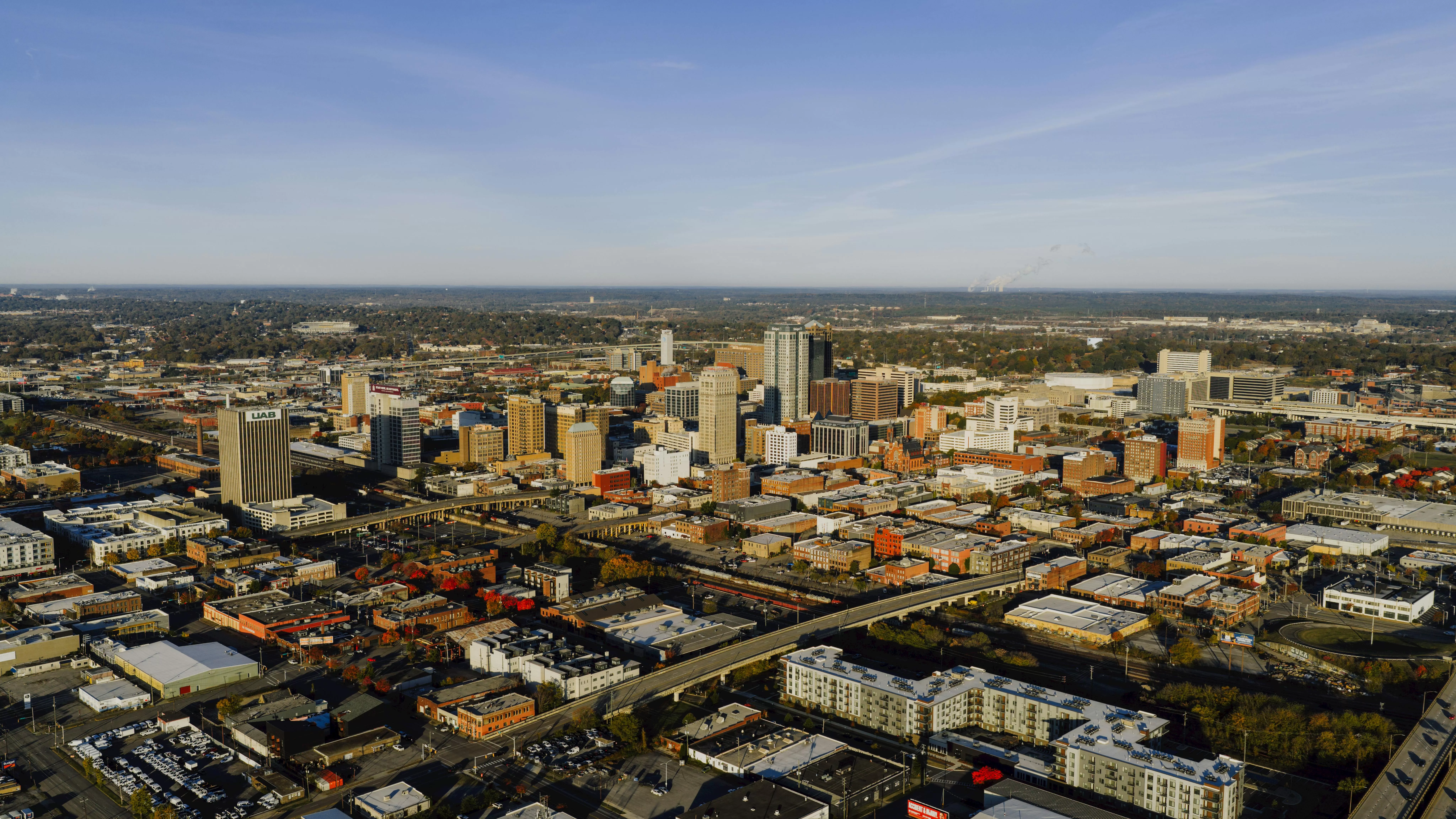
Houston's up-and-coming neighborhoods are communities experiencing notable residential development, infrastructure investment, population growth, business expansion, or increasing buyer demand. For homebuyers and investors, these areas may offer opportunities to purchase property before values and competition rise further. Evaluating growth potential requires examining multiple factors, including employment access, transportation improvements, redevelopment activity, housing affordability, and long-term community plans.
Houston's size and economic diversity create opportunities across numerous submarkets. The city continues to attract residents due to its employment base, business environment, educational institutions, healthcare sector, and relatively broad housing inventory. As demand shifts and development patterns evolve, several neighborhoods are drawing attention from buyers seeking affordability, investors pursuing appreciation potential, and households looking for communities with improving amenities and infrastructure.
What Makes a Neighborhood Up and Coming?
An up-and-coming neighborhood is generally characterized by measurable signs of improvement and increasing demand. Growth often occurs gradually as investment, infrastructure, employment opportunities, and residential interest converge within a particular area.
Population Growth and Housing Demand
Increasing population often contributes to stronger housing demand. Neighborhoods attracting new residents frequently experience greater interest from developers, businesses, and service providers.
Infrastructure Investment
Road improvements, public transportation enhancements, utility upgrades, and community projects can significantly influence long-term neighborhood appeal and accessibility.
Commercial and Employment Expansion
The addition of employers, office developments, retail centers, restaurants, and entertainment venues may stimulate economic activity and encourage residential demand.
Redevelopment Activity
New housing construction, property renovations, mixed-use developments, and adaptive reuse projects can signal changing market conditions and renewed investment within a community.
| Growth Indicator | Why It Matters | Potential Impact |
|---|---|---|
| Population increases | Expands housing demand | May contribute to property appreciation |
| Infrastructure projects | Improves accessibility | Enhances neighborhood desirability |
| Commercial investment | Creates employment and amenities | Attracts new residents and businesses |
| Redevelopment activity | Revitalizes older properties | Can transform neighborhood perception |
| Housing demand | Supports market activity | Encourages additional investment |
No single factor determines whether a neighborhood will experience sustained growth. Instead, long-term potential typically emerges from multiple indicators working together over an extended period.
Why Does Houston Continue to Generate Neighborhood Growth?
Houston's economic scale and geographic diversity create opportunities for neighborhood expansion across numerous districts. The metropolitan area benefits from multiple employment sectors, extensive transportation networks, and a broad range of housing options.
Diverse Employment Base
Houston's economy extends across healthcare, energy, manufacturing, logistics, education, professional services, and technology-related industries. Economic diversity can contribute to population stability and sustained housing demand.
Large Geographic Footprint
The city's size allows redevelopment and expansion to occur simultaneously in urban, suburban, and transitional neighborhoods. As development patterns evolve, emerging communities may benefit from changing buyer preferences and investment activity.
Relatively Broad Housing Inventory
Compared with many large metropolitan areas, Houston has historically offered a wide range of housing options across different price points. This variety attracts buyers with different budgets and housing requirements.
Transportation and Connectivity
Accessibility remains an important consideration for both residents and businesses. Communities with strong transportation links often attract greater attention because commuting efficiency and access to employment centers influence purchasing decisions.
| Factor | Potential Influence on Neighborhoods |
|---|---|
| Economic diversity | Supports population and employment growth |
| Infrastructure expansion | Improves accessibility and connectivity |
| Housing variety | Attracts buyers across multiple price ranges |
| Population inflows | Increases housing demand and development activity |
| Business investment | Encourages neighborhood revitalization |
These characteristics have contributed to the emergence of numerous communities that attract buyers and investors seeking neighborhoods with future growth potential.
Which Houston Neighborhoods Show Strong Future Growth Potential?
Several Houston communities continue to attract attention because of redevelopment projects, employment access, improving amenities, and changing residential demand patterns. Growth potential should always be evaluated through current market conditions, property-specific considerations, and long-term objectives.
East Downtown (EaDo)
East Downtown has attracted interest due to redevelopment activity, proximity to downtown employment centers, entertainment venues, and expanding residential offerings. Continued investment has contributed to increased attention from both owner-occupants and investors.
Second Ward
Second Ward has experienced increasing redevelopment activity while maintaining its historical identity and established community character. Proximity to employment hubs and transportation corridors contributes to ongoing buyer interest.
Independence Heights
Independence Heights has drawn attention because of residential redevelopment, accessibility, and relatively varied housing inventory. Buyers seeking communities undergoing transition frequently monitor this area for long-term opportunities.
Near Northside
Near Northside benefits from its location near central employment areas and transportation routes. Redevelopment initiatives and renewed residential investment have increased interest in the community.
Spring Branch
Spring Branch has experienced substantial residential transformation over recent years. New construction activity, employment accessibility, and varied housing stock continue to attract buyers and investors evaluating long-term growth prospects.
| Neighborhood | Key Growth Drivers | Common Buyer Interest |
|---|---|---|
| East Downtown (EaDo) | Redevelopment and central location | Urban living and investment opportunities |
| Second Ward | Redevelopment and transportation access | Long-term appreciation potential |
| Independence Heights | Residential transformation | Emerging housing opportunities |
| Near Northside | Employment access and investment activity | Urban buyers and investors |
| Spring Branch | New construction and connectivity | Families and long-term homeowners |
Identifying an up-and-coming neighborhood requires balancing affordability, growth indicators, lifestyle considerations, and long-term objectives. Buyers and investors often benefit from evaluating multiple communities rather than focusing solely on recent popularity or short-term market momentum.
How Can Buyers Evaluate a Neighborhood's Future Growth Potential?
Future growth potential is best assessed by examining measurable indicators rather than relying solely on reputation or recent popularity. A neighborhood that demonstrates consistent investment and increasing demand often presents stronger long-term prospects than one experiencing temporary attention.
Review Development Activity
New residential construction, mixed-use developments, infrastructure projects, and commercial investments can indicate growing confidence in an area's future. Development activity often attracts additional businesses and residents over time.
Assess Employment Accessibility
Communities with convenient access to major employment centers frequently maintain stronger housing demand. Commuting efficiency remains an important factor for both homeowners and renters.
Evaluate Community Amenities
Parks, retail districts, healthcare facilities, schools, and recreational amenities contribute to neighborhood appeal. Improvements in local amenities can influence residential demand and long-term desirability.
Examine Housing Supply and Demand
Balanced inventory levels and consistent buyer interest can support market stability. Significant increases in demand without corresponding inventory growth may influence pricing and competition.
| Evaluation Factor | Why It Matters | Potential Impact |
|---|---|---|
| Development projects | Signals investment confidence | May improve neighborhood appeal |
| Employment access | Supports housing demand | Attracts residents and businesses |
| Community amenities | Improves quality of life | Enhances long-term desirability |
| Housing demand | Reflects buyer interest | Supports market activity |
| Infrastructure improvements | Increases accessibility | Encourages additional investment |
Which Houston Communities Suit Different Types of Buyers?
No single neighborhood is ideal for every buyer. The most suitable community depends on financial goals, lifestyle preferences, commuting requirements, and investment objectives.
| Buyer Type | Primary Priorities | Common Neighborhood Characteristics |
|---|---|---|
| First-time buyers | Affordability and future appreciation potential | Emerging communities with varied housing options |
| Families | Schools, amenities, and community stability | Areas with parks and residential infrastructure |
| Investors | Rental demand and redevelopment activity | Neighborhoods experiencing revitalization |
| Young professionals | Employment access and lifestyle amenities | Communities near business and entertainment districts |
| Long-term homeowners | Sustained growth and livability | Areas with ongoing investment and community development |
A community's growth potential should always be considered alongside personal objectives. Buyers who prioritize affordability may reach different conclusions than investors focused on rental demand or long-term appreciation.
What Opportunities and Risks Should Investors Consider?
Emerging neighborhoods can provide opportunities for both owner-occupants and investors, but future growth is never guaranteed. Careful analysis remains essential when evaluating any property market.
Potential Opportunities
- Purchasing property before prices increase substantially.
- Accessing neighborhoods benefiting from redevelopment and infrastructure improvements.
- Participating in communities experiencing rising residential demand.
- Identifying areas with increasing rental activity and population growth.
- Diversifying investment holdings across multiple submarkets.
Potential Risks
- Development projects may proceed more slowly than anticipated.
- Economic conditions can alter housing demand.
- Infrastructure improvements may take years to influence market activity.
- Higher competition can affect affordability and investment returns.
- Neighborhood transformation patterns can change over time.
The most resilient investment decisions generally rely on long-term fundamentals rather than short-term market momentum.
Which Market Indicators Should Buyers Monitor?
Tracking market indicators can help buyers identify whether a neighborhood's growth trajectory remains consistent over time.
| Indicator | What It May Suggest |
|---|---|
| New building permits | Increasing development activity |
| Commercial expansion | Economic confidence and job creation |
| Population growth | Rising housing demand |
| Infrastructure projects | Improved accessibility and connectivity |
| Property transaction activity | Growing market interest |
Observing these indicators over extended periods often provides more useful insights than focusing solely on short-term market changes.
What Mistakes Should Buyers Avoid?
Neighborhood selection involves balancing market potential with practical considerations. Several common mistakes can affect decision-making.
- Assuming recent popularity guarantees long-term appreciation.
- Ignoring employment accessibility and commuting requirements.
- Overlooking infrastructure and community development plans.
- Focusing exclusively on pricing without evaluating neighborhood fundamentals.
- Making decisions based solely on short-term trends.
- Failing to compare multiple communities before purchasing.
- Underestimating future ownership costs and lifestyle considerations.
Buyers and investors often achieve better outcomes by examining multiple growth indicators, comparing neighborhoods objectively, and aligning decisions with long-term financial and lifestyle goals.
How Should Buyers Research Emerging Houston Neighborhoods?
Researching an up-and-coming neighborhood requires combining market analysis with practical evaluation of daily living conditions. Buyers should investigate current conditions and future development plans before making purchasing decisions.
Visit the Community at Different Times
Experiencing a neighborhood during weekdays, evenings, and weekends can provide insight into traffic patterns, activity levels, accessibility, and community atmosphere.
Review Development and Infrastructure Plans
Infrastructure improvements, transportation projects, commercial development, and public investments can influence a neighborhood's future attractiveness and functionality.
Analyze Housing Trends
Reviewing property inventory, transaction activity, and residential development can help buyers understand demand patterns and neighborhood momentum.
Evaluate Lifestyle Compatibility
Even neighborhoods with strong growth indicators may not suit every household. Commuting requirements, educational needs, recreational preferences, and long-term plans should remain central considerations.
| Research Area | Questions to Consider | Why It Matters |
|---|---|---|
| Transportation | How accessible are employment centers and major roads? | Influences convenience and housing demand |
| Development Activity | Are new projects planned or underway? | May indicate future investment potential |
| Community Amenities | Are schools, parks, and retail services available? | Affects quality of life and desirability |
| Housing Trends | How active is the local property market? | Provides insight into demand conditions |
| Long-Term Suitability | Does the area support future goals? | Helps align purchases with personal objectives |
Is Buying in an Up-and-Coming Houston Neighborhood Worth It?
Purchasing property in an emerging Houston neighborhood may be worthwhile for buyers and investors who understand the associated opportunities and risks and who evaluate communities using measurable indicators rather than assumptions.
For some households, emerging communities offer affordability advantages, access to developing amenities, and the possibility of participating in long-term neighborhood transformation. Investors may identify areas benefiting from redevelopment, population growth, and increasing demand. However, neighborhood evolution often occurs gradually, and future outcomes remain uncertain.
The most informed decisions typically result from balancing market research with personal priorities. Buyers should assess affordability, community characteristics, accessibility, and development patterns while ensuring that the property aligns with long-term financial and lifestyle objectives.
Houston's scale and economic diversity continue to create opportunities across numerous neighborhoods. Communities experiencing infrastructure investment, residential redevelopment, and expanding amenities may warrant additional attention, but successful purchasing decisions depend on careful research, realistic expectations, and a long-term perspective.
Frequently Asked Questions
What is considered an up-and-coming neighborhood?
An up-and-coming neighborhood generally demonstrates increasing investment, redevelopment activity, improving amenities, and growing residential demand.
Why are emerging neighborhoods attracting buyers in Houston?
Many buyers are attracted by affordability opportunities, redevelopment projects, employment accessibility, and the possibility of long-term growth.
Do emerging neighborhoods guarantee property appreciation?
No. Future appreciation depends on numerous factors, including economic conditions, development patterns, infrastructure investments, and market demand.
Which factors matter most when evaluating neighborhood growth potential?
Important considerations include employment access, infrastructure improvements, housing demand, community amenities, and ongoing development activity.
Should buyers focus only on rapidly developing neighborhoods?
No. Neighborhood selection should balance growth indicators with affordability, lifestyle requirements, and long-term ownership objectives.
Key Takeaways
- Growth Indicators Matter: Infrastructure projects, redevelopment activity, employment access, and housing demand often influence neighborhood potential.
- No Universal Choice Exists: The best emerging community depends on individual financial goals, lifestyle preferences, and investment objectives.
- Research Is Essential: Evaluating development plans, amenities, and market conditions helps support informed decision-making.
- Opportunities and Risks Coexist: Emerging neighborhoods may offer long-term advantages but do not guarantee future appreciation.
- Long-Term Perspective Matters: Successful decisions generally align neighborhood selection with broader financial and lifestyle priorities.
References
- Housing market reports and residential development publications covering Houston neighborhood trends.
- Urban planning and community development resources addressing infrastructure and redevelopment initiatives.
- Consumer education materials related to residential property evaluation and neighborhood research methods.
- General guidance on real estate market indicators, housing demand, and long-term property investment considerations.