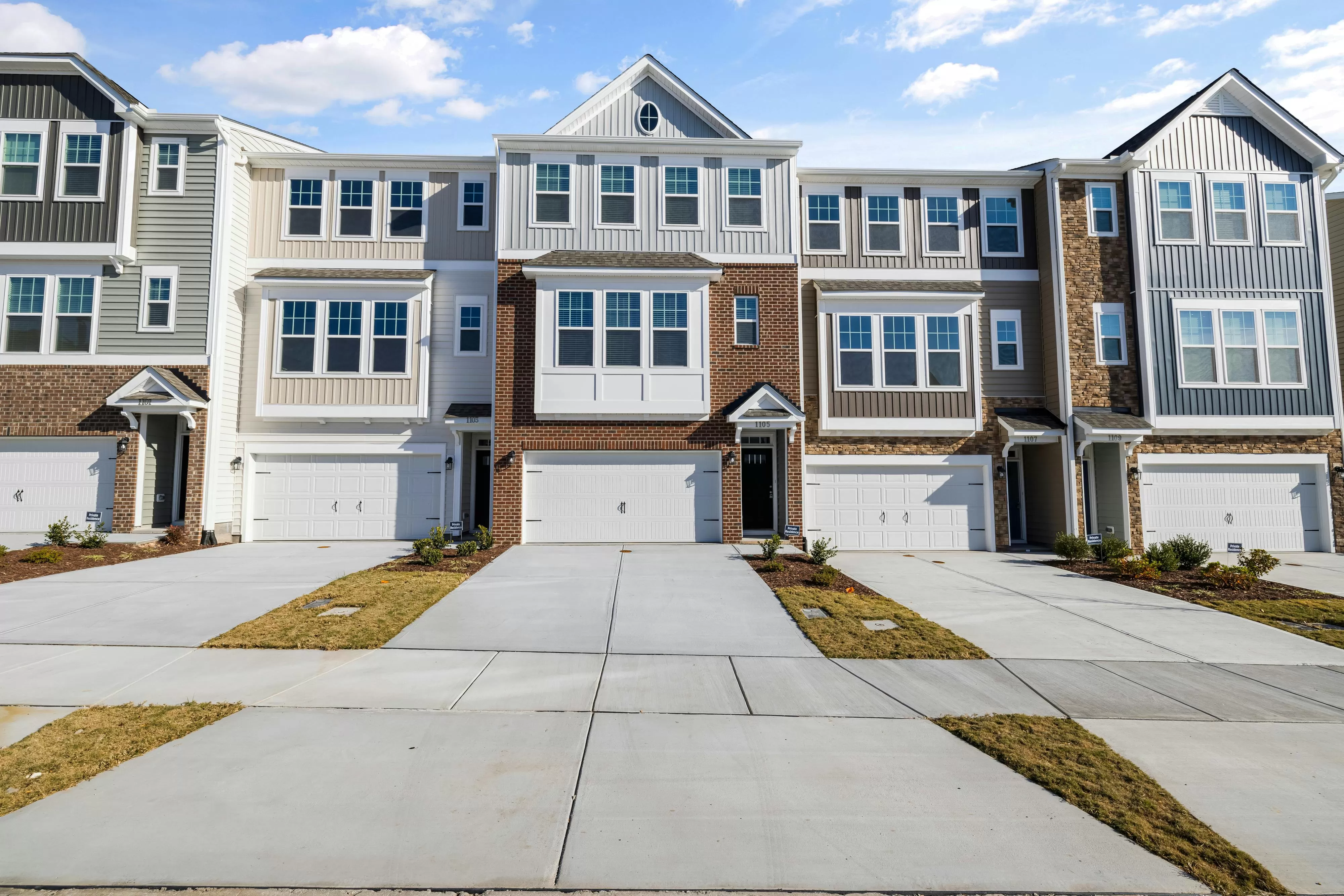
Rent-to-own homes are neither inherently good nor bad. They are a specialized homebuying strategy that can benefit certain buyers while creating significant risks for others. The value of a rent-to-own agreement depends on the contract terms, the buyer's financial situation, the property's condition, and the likelihood of obtaining future mortgage financing. Understanding both the advantages and disadvantages is essential before entering any lease-to-own arrangement.
What Is a Rent-to-Own Home?
A rent-to-own home is a property that combines a rental agreement with an opportunity to purchase the home later. Instead of obtaining a mortgage immediately, the occupant rents the property for a specified period while preparing to become the future owner.
Most rent-to-own arrangements include two primary components: a lease agreement and a purchase agreement. During the lease period, the tenant pays rent and may also pay an upfront option fee that secures future purchasing rights.
Why Do Rent-to-Own Agreements Exist?
Rent-to-own agreements exist because many prospective buyers are financially capable of owning a home but are not yet ready to qualify for traditional mortgage financing. These arrangements provide additional time to improve credit, reduce debt, build savings, or establish employment history.
Property owners may also benefit by attracting tenants with long-term ownership intentions while creating a potential future sale.
What Types of Rent-to-Own Agreements Are Available?
The two most common structures are lease-option agreements and lease-purchase agreements.
| Agreement Type | Description | Buyer Obligation |
|---|---|---|
| Lease-Option | Provides the right to purchase | Purchase may be optional |
| Lease-Purchase | Includes a future purchase commitment | Purchase is often required |
Understanding which agreement applies is critical because legal obligations, financial exposure, and risks can differ substantially.
Are Rent-to-Own Homes Good or Bad?
The most accurate answer is that rent-to-own homes can be beneficial for some buyers and problematic for others. The arrangement itself is neither positive nor negative. Success depends on execution, financial preparation, contract quality, and market conditions.
When Can Rent-to-Own Be a Good Idea?
Rent-to-own may be beneficial when a buyer has stable income but needs additional time to qualify for financing.
- Credit improvement is needed before mortgage approval.
- A down payment is still being accumulated.
- The buyer wants to evaluate a neighborhood before purchasing.
- Employment history needs additional documentation.
- Mortgage qualification is realistic within the lease period.
In these situations, a rent-to-own arrangement can provide structure and time while allowing the buyer to move toward ownership.
When Can Rent-to-Own Be a Bad Idea?
Rent-to-own can become problematic when buyers enter agreements without a realistic path to financing or fail to understand contract obligations.
- Credit challenges are severe and unlikely to improve quickly.
- Income is unstable or difficult to document.
- The contract contains unfavorable terms.
- The property has unresolved maintenance issues.
- The buyer lacks sufficient savings.
- Future mortgage qualification is uncertain.
Without proper planning, buyers may lose option fees, accumulated credits, or valuable time if the purchase cannot be completed.
What Are the Biggest Advantages and Disadvantages?
| Advantages | Disadvantages |
|---|---|
| Additional time for financing preparation | Future financing is not guaranteed |
| Potential purchase opportunity | Option fees may be non-refundable |
| Ability to occupy before buying | Contract complexity can create risks |
| Potential rent credits | Property values may change |
| Neighborhood testing period | Missed deadlines may affect rights |
How Does a Rent-to-Own Agreement Work?
Most rent-to-own transactions follow a similar structure. The buyer and seller negotiate terms, the tenant moves into the property, financial preparation occurs during the lease period, and the purchase is completed if financing is secured.
Step 1: Negotiate the Agreement
The parties establish the purchase price, lease duration, monthly rent, option fee, maintenance responsibilities, and purchase conditions.
These terms should be documented clearly because they govern both occupancy and future ownership rights.
Step 2: Pay an Option Fee
Many agreements require an upfront option fee. This payment grants the buyer the contractual opportunity to purchase the property later.
Whether the fee is refundable depends on the specific contract.
Step 3: Live in the Home While Preparing Financially
During the lease period, buyers often focus on improving credit scores, reducing debt balances, increasing savings, and preparing documentation required by mortgage lenders.
This preparation phase is one of the primary reasons buyers choose rent-to-own arrangements.
Step 4: Apply for Mortgage Financing
Before the purchase deadline arrives, the buyer typically seeks mortgage approval. Lenders evaluate income, employment history, credit standing, assets, and debt obligations.
Step 5: Complete the Purchase
If financing is approved and contractual conditions are satisfied, the transaction proceeds to closing and ownership transfers to the buyer.
Which Contract Terms Matter Most?
Several provisions deserve careful review:
- Purchase price determination.
- Lease duration.
- Option fee requirements.
- Rent credit calculations.
- Maintenance responsibilities.
- Default clauses.
- Purchase deadlines.
- Financing requirements.
- Inspection rights.
What Are the Biggest Benefits of Rent-to-Own Homes?
Rent-to-own arrangements can provide meaningful advantages for buyers who are close to mortgage readiness but need additional time to strengthen their financial profile.
Additional Time to Improve Credit
One of the most frequently cited benefits is the ability to improve credit scores before applying for a mortgage. Buyers can use the lease period to establish positive payment history, reduce revolving debt, and resolve credit reporting issues.
More Time to Save for a Down Payment
Many households can comfortably afford monthly housing payments but need additional time to accumulate down payment funds and closing costs. Rent-to-own agreements may create a structured timeline for achieving those savings goals.
Ability to Test the Neighborhood Before Buying
Living in the property before purchasing allows buyers to evaluate commuting patterns, schools, amenities, noise levels, and overall community suitability before making a long-term ownership commitment.
Potential Protection Against Rising Home Prices
Some agreements establish a purchase price at the beginning of the lease term. If property values rise significantly during the lease period, buyers may benefit from having secured a previously negotiated price.
A Structured Path Toward Homeownership
For buyers who struggle to qualify for traditional financing immediately, rent-to-own can provide a roadmap that bridges the gap between renting and owning.
| Benefit | Why It Matters |
|---|---|
| Credit Improvement Period | Allows time to strengthen mortgage qualifications |
| Savings Opportunity | Supports future down payment goals |
| Property Familiarity | Provides firsthand ownership insight |
| Potential Price Lock | May reduce exposure to future appreciation |
| Ownership Preparation | Creates a gradual transition into ownership |
What Are the Biggest Risks and Drawbacks of Rent-to-Own Homes?
Despite potential benefits, rent-to-own agreements involve meaningful risks that should be evaluated carefully before signing.
Future Mortgage Approval Is Not Guaranteed
The most significant risk is that a buyer may still fail to qualify for financing when the lease period ends. Without mortgage approval, completing the purchase may become impossible.
Option Fees May Be Lost
Many contracts require a non-refundable option fee. If the purchase does not occur, buyers may lose this upfront investment.
Unexpected Property Problems
A property may develop repair issues during the lease period, especially if inspections are not performed before signing the agreement.
Market Value Changes Can Affect Outcomes
While rising property values may benefit some buyers, declining values can create challenges if the contract price exceeds current market value.
Complex Contract Language
Rent-to-own agreements often contain detailed legal provisions that can affect financial obligations, purchase rights, maintenance responsibilities, and default consequences.
| Risk | Potential Impact |
|---|---|
| Financing Failure | Purchase cannot be completed |
| Lost Option Fee | Financial loss |
| Property Defects | Unexpected repair expenses |
| Contract Complexity | Misunderstood obligations |
| Market Changes | Potential pricing disadvantages |
What Financial Factors Should Buyers Analyze?
A rent-to-own decision should be based on a complete financial analysis rather than solely on the ability to make monthly rent payments.
What Costs Are Involved?
| Cost Type | Purpose |
|---|---|
| Option Fee | Purchase opportunity consideration |
| Monthly Rent | Occupancy payment |
| Inspection Costs | Property evaluation |
| Closing Costs | Purchase transaction expenses |
| Mortgage Expenses | Loan-related costs |
| Maintenance Costs | Property upkeep responsibilities |
Why Is Long-Term Budgeting Important?
Many buyers focus on qualifying for a mortgage without fully considering the ongoing expenses of ownership. Property taxes, insurance, maintenance, utilities, and emergency repairs should all be incorporated into affordability calculations.
A realistic ownership budget helps determine whether purchasing the property remains sustainable after the lease period ends.
What Legal Risks Should Buyers Understand?
Rent-to-own agreements create legally binding obligations that can significantly affect a buyer's financial position. Contract review is one of the most important steps in the process.
Why Is Contract Review Essential?
Contract provisions may determine whether option fees are refundable, how purchase prices are calculated, who handles repairs, and what happens if either party defaults.
Understanding these provisions before signing can help prevent disputes and unexpected liabilities.
Why Are Property Inspections Important?
An inspection identifies existing issues that may affect future ownership costs. Structural, roofing, plumbing, electrical, and foundation concerns should be investigated before financial commitments are made.
Why Should Buyers Verify Property Title?
Title verification helps confirm ownership rights and identify liens, judgments, or disputes that could affect the property's transfer in the future.
What Mistakes Cause Rent-to-Own Agreements to Fail?
Many unsuccessful rent-to-own transactions result from preventable mistakes rather than flaws in the concept itself.
Not Having a Financing Plan
Buyers sometimes enter agreements without a realistic strategy for obtaining mortgage approval before the purchase deadline.
Failing to Review the Contract Thoroughly
Overlooking important provisions can create unexpected obligations and financial risks.
Ignoring Property Condition Issues
Skipping inspections increases the likelihood of discovering costly repairs after substantial financial commitments have already been made.
Missing Important Deadlines
Purchase options often contain strict timing requirements. Missing a deadline may affect purchase rights or trigger penalties.
Underestimating Required Savings
Buyers who focus solely on monthly rent may find themselves unprepared for down payments, closing costs, and ownership expenses.
Who Should Consider Rent-to-Own Homes?
Rent-to-own homes can be a practical solution for buyers who are financially stable but need additional time before qualifying for a traditional mortgage. The model works best when the buyer has a realistic path toward ownership and uses the lease period strategically.
First-Time Homebuyers Building Financial Readiness
Many first-time buyers need extra time to save for a down payment, strengthen credit scores, or establish sufficient financial reserves. A well-structured rent-to-own agreement can provide that opportunity while allowing them to secure a future purchase option.
Buyers Rebuilding Credit
Individuals recovering from past credit challenges may benefit from a lease period that allows them to demonstrate improved financial habits before applying for mortgage financing.
Self-Employed Buyers
Self-employed individuals sometimes need additional years of documented income before meeting lender requirements. Rent-to-own arrangements may provide time to strengthen financial documentation.
Relocating Families and Professionals
Buyers moving to a new city may appreciate the opportunity to live in a property and evaluate the neighborhood before committing to ownership.
| Buyer Type | Potential Advantage |
|---|---|
| First-Time Buyers | Additional preparation time |
| Credit Rebuilders | Opportunity to improve mortgage eligibility |
| Self-Employed Buyers | More time to document income |
| Relocating Families | Ability to evaluate neighborhoods |
| Future Homeowners | Structured ownership pathway |
Who Should Avoid Rent-to-Own Homes?
Rent-to-own is not appropriate for every buyer. In certain situations, traditional renting or waiting to purchase may be a better option.
Buyers With Unstable Income
Individuals experiencing significant income uncertainty may struggle to qualify for future financing and meet contractual obligations.
Buyers Without a Savings Strategy
Those who are unable to consistently save for a down payment, closing costs, and ownership expenses may find it difficult to complete the purchase successfully.
People With Short-Term Housing Plans
Rent-to-own arrangements generally work best for individuals intending to remain in a property for several years. Buyers expecting frequent relocations may find less value in this structure.
Buyers Seeking Maximum Flexibility
Because many agreements contain long-term obligations and deadlines, buyers who prioritize flexibility may prefer traditional rental arrangements.
The suitability of a rent-to-own agreement ultimately depends on personal financial circumstances, long-term goals, and the quality of the contract itself.
Frequently Asked Questions
Are rent-to-own homes a good idea?
They can be a good option for buyers who need time to improve credit, save money, or prepare for mortgage approval. However, success depends on the contract terms and the buyer's financial readiness.
What is the biggest disadvantage of rent-to-own?
One of the largest risks is failing to qualify for financing before the purchase deadline, which can result in losing option fees or purchase opportunities.
Can buyers lose money in a rent-to-own agreement?
Yes. Depending on the contract, option fees, rent credits, and other funds may be forfeited if the purchase is not completed.
Do rent-to-own homes help build equity?
Not automatically. Equity is generally created after ownership transfers, although some agreements provide credits that may reduce the future purchase cost.
Should a home inspection be completed before signing?
Yes. A professional inspection helps identify property issues that could affect future ownership costs and purchasing decisions.
Can the purchase price be negotiated in advance?
Many agreements establish the purchase price when the contract is signed, although pricing structures vary.
Who is responsible for repairs in a rent-to-own property?
Responsibility depends on the contract. Some agreements place certain maintenance obligations on the tenant, while others remain the seller's responsibility.
Is rent-to-own better than renting?
It depends on the buyer's goals. Rent-to-own may provide a path toward ownership, while traditional renting often offers greater flexibility and fewer long-term obligations.
Key Takeaways
- Neither Good Nor Bad by Default: The success of a rent-to-own agreement depends on the buyer, contract terms, and financial readiness.
- Benefits Exist for Certain Buyers: Rent-to-own can provide additional time for credit improvement, savings growth, and mortgage preparation.
- Risks Must Be Evaluated Carefully: Financing uncertainty, option fee losses, and contract complexity can create challenges.
- Due Diligence Is Essential: Property inspections, title reviews, and legal contract analysis help reduce risk.
- Financial Planning Matters: Buyers should prepare for down payments, closing costs, taxes, insurance, and maintenance expenses.
- Not Every Buyer Is a Good Candidate: Buyers with unstable income or no clear financing strategy may face greater difficulties.
References
- Consumer Financial Protection Bureau homeownership resources.
- Federal Housing Administration homebuyer guidance.
- U.S. Department of Housing and Urban Development consumer housing publications.
- National Association of Realtors educational materials.
- State real estate commission consumer resources.
- Mortgage lending and underwriting guidelines from major housing agencies.