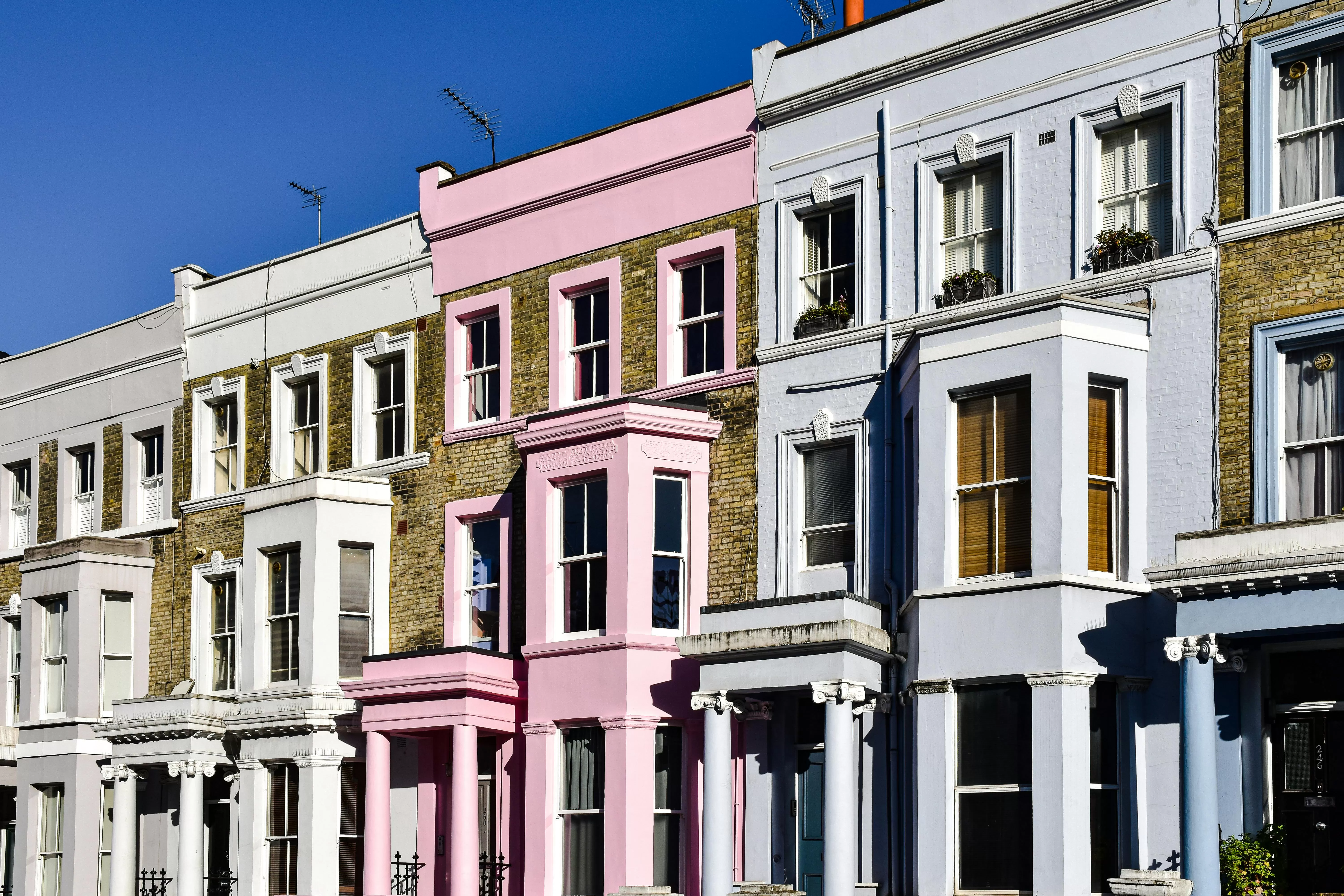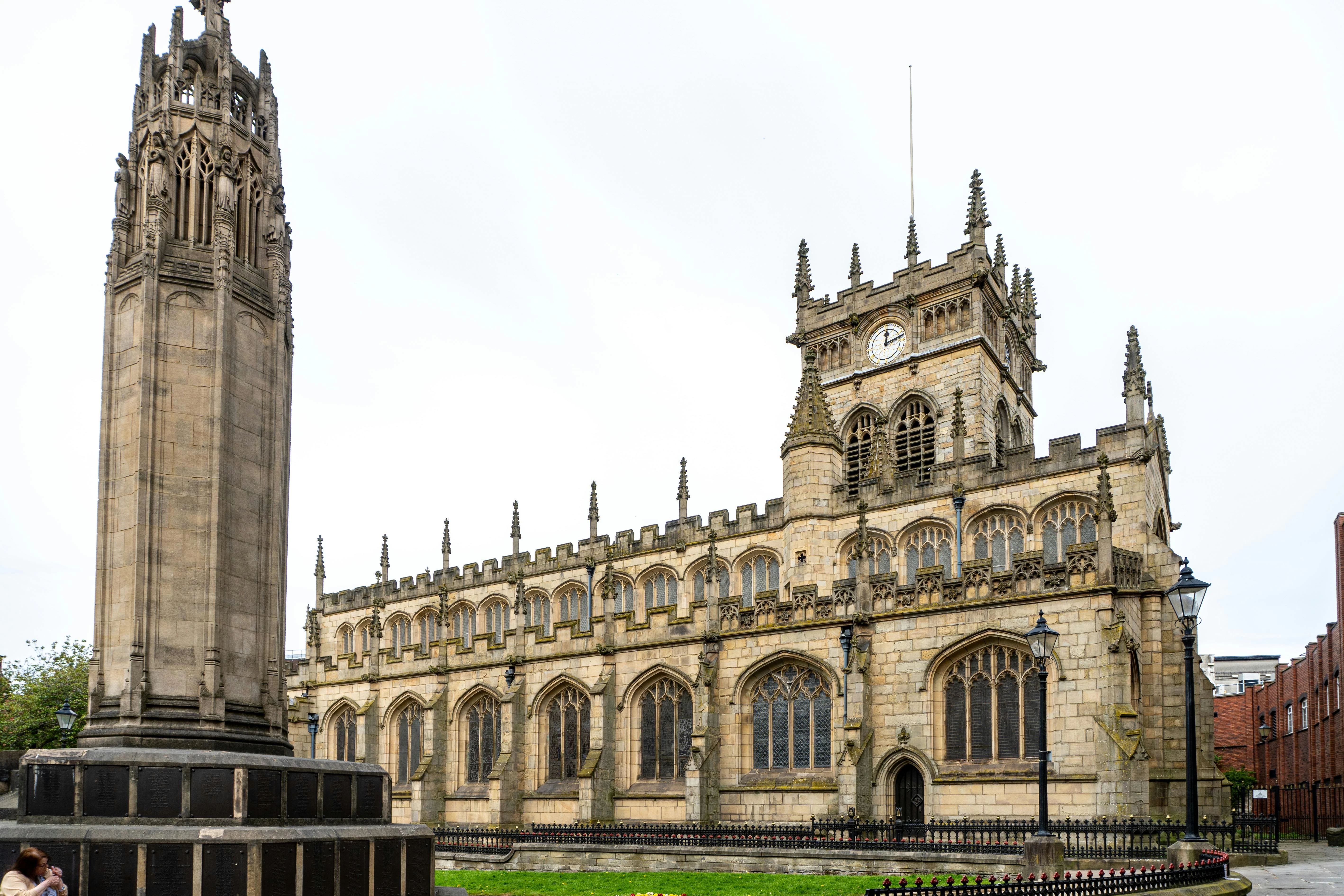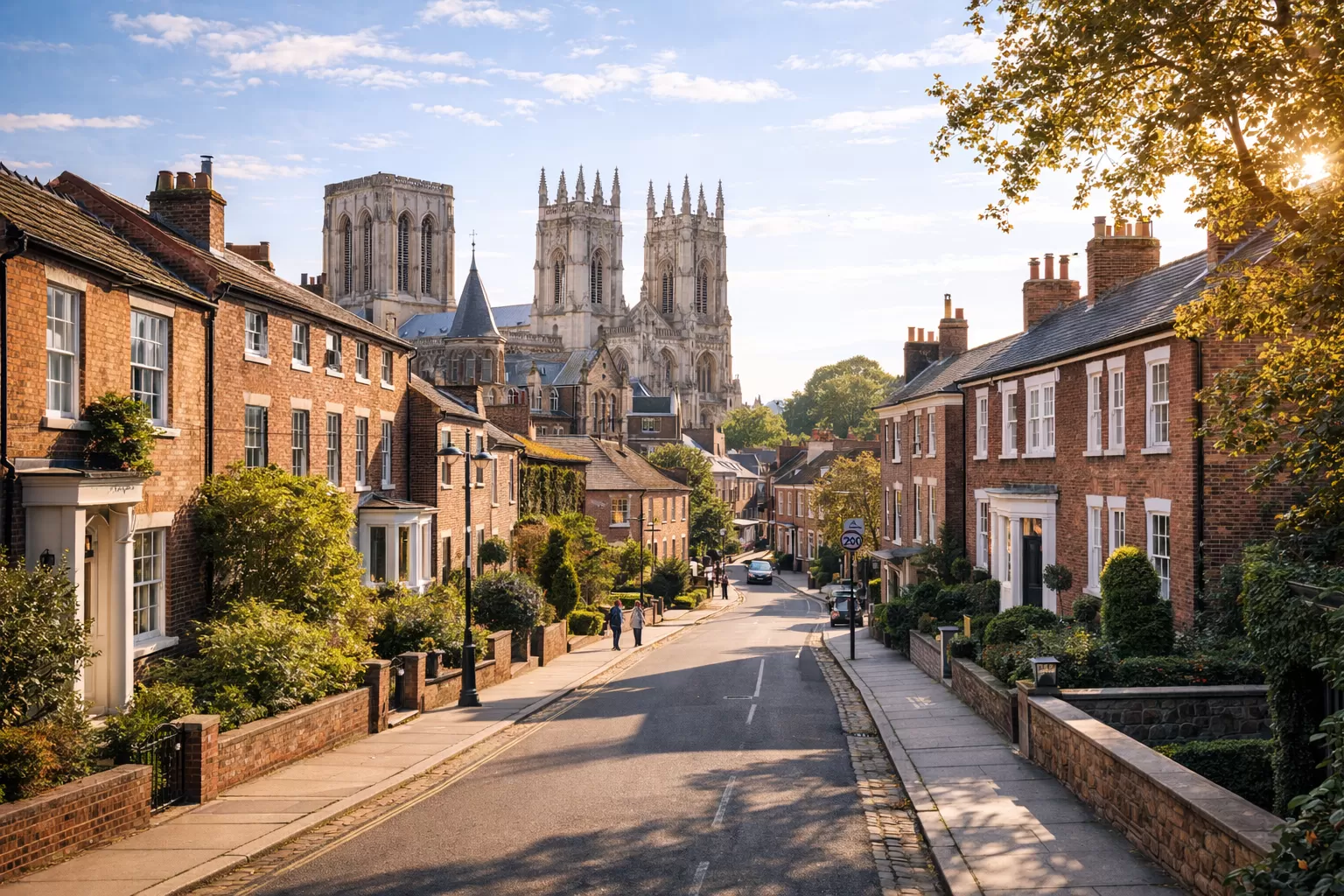
Property in York City Centre attracts buyers and investors because it combines historic character, strong tourism demand, and limited housing supply within the city walls. Buyers typically find apartments, Georgian townhouses, and converted period properties close to major landmarks such as York Minster and the Shambles. For investors, the area offers reliable rental demand from professionals, students, and short-stay visitors, while owner-occupiers benefit from walkable access to transport, retail, and cultural amenities. Understanding pricing trends, neighbourhood differences, and property types is essential before purchasing in York’s central market.
Why Buy Property In York City Centre?
Buying property in York City Centre offers a combination of long-term housing stability and strong investment potential. The central district is protected by historic planning policies, which restrict large-scale development within the medieval walls. This limited supply, combined with consistent demand from residents and visitors, supports stable property values.
York’s city centre functions as both a residential and economic hub. It hosts major employers in tourism, education, retail, and professional services while remaining within walking distance of York railway station. The station provides direct rail connections to London, Leeds, Manchester, and Edinburgh, making the city attractive to commuters who prefer historic urban living over larger metropolitan areas.
For investors, central York has several demand drivers that maintain strong occupancy rates:
- Tourism activity throughout the year
- Student population from the University of York and York St John University
- Professional tenants working in finance, education, and healthcare
- High demand for short-term holiday accommodation
Owner-occupiers benefit from the lifestyle advantages of central York, including access to historic streets, independent shops, museums, restaurants, and cultural attractions. Living within or near the medieval walls also reduces dependence on commuting, as many workplaces and amenities are within walking distance.
| Factor | Impact On Buyers | Impact On Investors |
|---|---|---|
| Historic Planning Restrictions | Preserves neighbourhood character | Limits housing supply |
| Strong Tourism Economy | Vibrant city environment | Short-term rental demand |
| Transport Connectivity | Easy commuting to major cities | Professional tenant demand |
| Walkable Lifestyle | Access to shops and services | Higher tenant retention |
Because of these factors, property in York City Centre tends to maintain value resilience compared with locations where housing supply can expand rapidly. However, buyers must also consider conservation rules, listed building restrictions, and limited parking availability before purchasing.
What Types Of Property Are Available In York City Centre?
The York City Centre housing market is defined by a mixture of historic buildings, modern apartments, and converted residential spaces. Each property type serves a different buyer profile, ranging from first-time buyers seeking compact apartments to investors interested in short-stay rental accommodation.
One of the most distinctive characteristics of York’s central housing stock is the high number of period properties. Georgian and Victorian townhouses are common in streets surrounding the historic walls, often featuring traditional brick construction, sash windows, and narrow frontages typical of historic English cities.
Modern apartment developments have also emerged around areas such as Hungate, Piccadilly, and Foss Islands Road. These developments typically offer contemporary amenities including secure entry systems, parking allocations, and energy-efficient construction.
| Property Type | Typical Features | Common Buyers |
|---|---|---|
| City Centre Apartments | Modern layouts, secure buildings, low maintenance | First-time buyers, investors |
| Georgian Townhouses | Period architecture, large interiors, historic streets | Families, professionals |
| Converted Historic Buildings | Former warehouses or offices converted to flats | Investors and urban buyers |
| Riverside Properties | Views of the River Ouse or Foss | Premium buyers and lifestyle purchasers |
Riverside developments along the River Ouse and River Foss are particularly popular among buyers seeking scenic views and central access. These properties often command higher prices due to their location and visual appeal.
However, buyers should evaluate flood-risk zones when considering riverside properties. Parts of central York have historically experienced flooding, and insurance availability can influence mortgage eligibility.
Converted historic buildings are another distinctive segment of the market. Old warehouses, offices, and industrial spaces have been redeveloped into residential apartments. These properties often retain architectural elements such as exposed brickwork, high ceilings, and large windows, which attract buyers seeking character features within a central location.
Property Prices And Market Trends In York City Centre
Property prices in York City Centre generally exceed those in surrounding suburbs due to limited supply, historic architecture, and proximity to employment and tourism hubs. Apartments represent the most accessible entry point, while large townhouses and riverside properties command premium prices.
Over the past decade, York has experienced steady price growth supported by population increases, regional economic activity, and improved rail connectivity. Demand remains particularly strong for properties within walking distance of York Minster, the Shambles, and York railway station.
| Property Type | Typical Price Range | Buyer Segment |
|---|---|---|
| Studio / 1-Bedroom Apartment | £200,000 – £300,000 | First-time buyers, investors |
| 2-Bedroom Apartment | £300,000 – £450,000 | Professionals, couples |
| Townhouse | £500,000 – £900,000+ | Families, high-income buyers |
| Riverside Property | £450,000 – £1,000,000+ | Premium lifestyle buyers |
Rental demand in York City Centre remains consistent due to tourism and the student population. Investors considering buy-to-let opportunities should evaluate rental yield potential alongside purchase price and maintenance costs, especially when dealing with historic buildings that may require specialist repairs.
The city’s conservation policies also influence pricing. Many properties within the central district are listed buildings or located in conservation areas, which restrict alterations but preserve architectural heritage. These restrictions can increase renovation costs but may also enhance long-term property value.
Buyers should analyze several market indicators before purchasing:
- Average time properties remain on the market
- Local rental demand and occupancy rates
- Planning restrictions affecting renovations
- Insurance considerations in flood-risk zones
Evaluating these factors helps buyers determine whether a property aligns with their investment strategy or long-term residential needs.
Best Areas In York City Centre To Buy Property
The best areas to buy property in York City Centre depend on a buyer’s goals, budget, and lifestyle preferences. Different neighbourhoods offer varying levels of historic character, rental demand, and proximity to transport or cultural landmarks.
Areas located within the historic city walls typically command the highest property prices because of their proximity to York Minster, the Shambles, and central shopping districts. However, surrounding districts just outside the walls often offer slightly more space and better value while still maintaining walkable access to the centre.
| Area | Key Features | Typical Buyers |
|---|---|---|
| Bootham | Historic Georgian homes, close to York Minster | Families and professionals |
| The Groves | Period terraces near the city centre | First-time buyers and investors |
| Hungate | Modern apartment developments near the River Foss | Young professionals |
| Bishophill | Historic streets within the city walls | Premium buyers and heritage property enthusiasts |
| Foss Islands Area | Newer apartment developments with riverside access | Buy-to-let investors |
Bootham is one of the most desirable residential areas due to its proximity to York Minster and quiet streets lined with Georgian architecture. Properties here are typically larger and appeal to buyers seeking long-term residential homes.
Hungate and Foss Islands Road developments offer more modern apartment living. These areas attract professionals who want contemporary amenities combined with easy walking access to the city centre and transport links.
For investors, neighbourhoods close to universities or transport hubs often produce the most reliable rental demand. However, short-term letting rules and planning permissions should always be checked before purchasing property intended for holiday rentals.
Investment Opportunities In York City Centre Property
York City Centre property offers several investment strategies depending on the type of property purchased and the target tenant or visitor market. The city’s tourism economy, university population, and stable professional workforce support a variety of rental models.
Buy-to-let apartments represent one of the most common investment options. Smaller apartments near the railway station, university transport routes, and major employment areas typically attract professional tenants seeking central accommodation.
Short-term holiday accommodation is another investment model often considered in York. The city receives millions of visitors annually, many of whom prefer centrally located accommodation within walking distance of historic attractions.
| Investment Type | Typical Property | Key Considerations |
|---|---|---|
| Buy-To-Let Rental | 1–2 bedroom apartments | Stable long-term tenant demand |
| Short-Term Holiday Let | Central apartments or townhouses | Tourism demand and local regulations |
| Student Rental | Shared houses or converted flats | Proximity to universities |
| Property Renovation | Older period homes requiring refurbishment | Higher renovation costs but potential value growth |
Holiday lets in York are particularly popular around the historic core. Visitors often seek accommodation near the Shambles, York Minster, and city walls, which makes centrally located apartments attractive for short stays.
However, investors should review local council regulations and planning policies regarding short-term rentals. Some buildings or lease agreements restrict holiday letting, particularly within apartment developments managed by resident associations.
Renovating older properties is another investment approach. York’s historic housing stock includes buildings that require modernisation while preserving original architectural features. Although renovation costs can be higher due to listed-building requirements, carefully restored properties often command strong resale value.
How To Buy Property In York City Centre: Step-By-Step
Buying property in York City Centre follows the standard property purchase process used across England and Wales. However, buyers should pay particular attention to planning restrictions, conservation areas, and listed building status when purchasing central York properties.
The process begins with financial preparation, including mortgage pre-approval and budget planning. Because central York properties often receive strong buyer interest, having financing arranged in advance can improve the chances of securing a property quickly.
| Step | Action | Purpose |
|---|---|---|
| 1 | Assess budget and mortgage eligibility | Determine realistic purchase price range |
| 2 | Search for properties with estate agents | Identify suitable homes in preferred areas |
| 3 | Arrange property viewings | Evaluate property condition and location |
| 4 | Submit an offer | Begin negotiation with the seller |
| 5 | Instruct a conveyancing solicitor | Handle legal checks and property searches |
| 6 | Exchange contracts | Legally commit to the purchase |
| 7 | Complete the transaction | Ownership transfers to the buyer |
Buyers purchasing historic properties should ensure that a full building survey is conducted. Older structures may require structural maintenance, roof repairs, or compliance upgrades to meet modern living standards.
Mortgage lenders may also request additional documentation when a property is listed or located in a conservation area. These checks confirm that any past renovations were approved by local planning authorities.
Costs And Fees When Buying Property In York
The total cost of purchasing property in York City Centre includes more than the property price alone. Buyers must also account for legal fees, property surveys, mortgage costs, and government taxes associated with property transactions in England.
Stamp Duty Land Tax (SDLT) represents one of the largest additional costs when buying property. The amount payable depends on the purchase price, the buyer’s residency status, and whether the property is a primary residence or investment property.
| Cost Type | Typical Range | Purpose |
|---|---|---|
| Stamp Duty Land Tax | Varies by property price | Government property transaction tax |
| Solicitor Fees | £1,000 – £2,000 | Legal handling of the purchase |
| Property Survey | £400 – £1,500 | Inspection of building condition |
| Mortgage Arrangement Fees | £0 – £1,500 | Lender processing costs |
| Valuation Fee | £200 – £500 | Lender property valuation |
Owners of leasehold apartments should also consider ongoing service charges and ground rent payments. These costs contribute to building maintenance, shared facilities, and communal areas within the development.
Historic homes may also require higher maintenance budgets. Maintaining period features such as stone façades, timber windows, or traditional roofing materials can increase long-term ownership costs.
Risks And Considerations When Buying Property In York City Centre
Buying property in York City Centre offers strong lifestyle and investment benefits, but buyers must also evaluate location-specific risks. The city’s historic layout, conservation regulations, and environmental factors can influence renovation flexibility, insurance costs, and long-term property maintenance.
One of the most important considerations is conservation area protection. Much of central York falls within designated conservation zones intended to preserve the historic character of streets and buildings. While these protections maintain architectural heritage, they can limit structural alterations, window replacements, or exterior modifications.
Flood risk is another factor that requires careful evaluation. Areas located near the River Ouse and River Foss have historically experienced flooding during extreme weather events. Buyers should review flood risk maps, insurance options, and property flood history before purchasing riverside homes or apartments.
| Risk Factor | Why It Matters | Buyer Consideration |
|---|---|---|
| Conservation Area Restrictions | Limits structural or exterior changes | Check planning permissions and local rules |
| Flood Risk Zones | Insurance and mortgage implications | Review environmental searches and flood maps |
| Listed Building Status | Special maintenance and repair requirements | Higher renovation costs |
| Limited Parking | Common within historic city walls | Evaluate resident parking permits |
| Leasehold Terms | Applies to many apartments | Review service charges and lease length |
Parking availability can also influence property value and buyer demand. Streets inside the medieval walls were not designed for modern vehicle use, which means parking is often restricted to resident permits or nearby car parks.
Finally, buyers should review leasehold terms carefully when purchasing apartments. Lease length, ground rent, and service charges can affect long-term ownership costs and resale value.
Future Outlook For York City Centre Property Market
The long-term outlook for property in York City Centre remains stable due to limited development space, heritage protection policies, and sustained demand from residents, investors, and tourists. Unlike rapidly expanding cities, York’s historic layout restricts large-scale housing development within the central district, which can support property values over time.
Several factors are expected to influence the local property market in the coming years. Improvements to regional rail connectivity continue to strengthen York’s role as a commuter city for professionals working in Leeds, Manchester, and London.
Tourism is another important economic driver. York consistently ranks among the most visited historic cities in the United Kingdom, and its cultural attractions—including York Minster, the National Railway Museum, and medieval city walls—generate consistent visitor demand that supports the local hospitality and rental markets.
| Market Driver | Potential Impact | Implication For Buyers |
|---|---|---|
| Limited Housing Supply | Restricted new development | Potential long-term value stability |
| Strong Tourism Sector | Demand for central accommodation | Opportunities for rental income |
| Transport Connectivity | Improved commuter access | Higher demand from professionals |
| Historic Preservation Policies | Protection of architectural character | Enhanced long-term desirability |
While no property market is immune to national economic cycles, York’s historic status and constrained development environment provide a level of resilience that attracts long-term buyers and investors.
Frequently Asked Questions
Is York City Centre A Good Place To Buy Property?
York City Centre is considered a desirable location due to its historic character, strong tourism economy, and limited housing supply. These factors contribute to steady demand from both residents and property investors.
What Is The Average Price Of Property In York City Centre?
Property prices vary depending on the type and location of the home. Apartments generally start around £200,000, while larger townhouses and premium riverside properties may exceed £900,000.
Are York City Centre Properties Good For Rental Investment?
Yes. The city centre attracts tenants from the tourism, education, and professional sectors. Apartments near transport links and historic attractions often achieve consistent rental demand.
Do Properties Inside York City Walls Have Restrictions?
Many homes within the city walls are located in conservation areas or listed buildings. These properties may require special planning approval for structural changes or exterior alterations.
Is Flood Risk A Concern In York City Centre?
Some areas near the River Ouse and River Foss have experienced flooding in the past. Buyers should review flood risk assessments and insurance availability before purchasing riverside properties.
Key Takeaways
- Central York Demand: Limited development within the historic city walls supports long-term demand for centrally located homes.
- Diverse Property Types: Buyers can choose from modern apartments, Georgian townhouses, and converted historic buildings.
- Investment Potential: Strong tourism activity and university populations create consistent rental demand.
- Location-Specific Risks: Conservation rules, flood zones, and listed building status require careful due diligence.
- Long-Term Appeal: Historic preservation and transport connectivity continue to sustain York’s property market attractiveness.
References
- UK Land Registry housing transaction data.
- City of York Council planning and conservation area guidelines.
- UK Government Stamp Duty Land Tax guidance.
- Regional housing market reports for Yorkshire and the Humber.