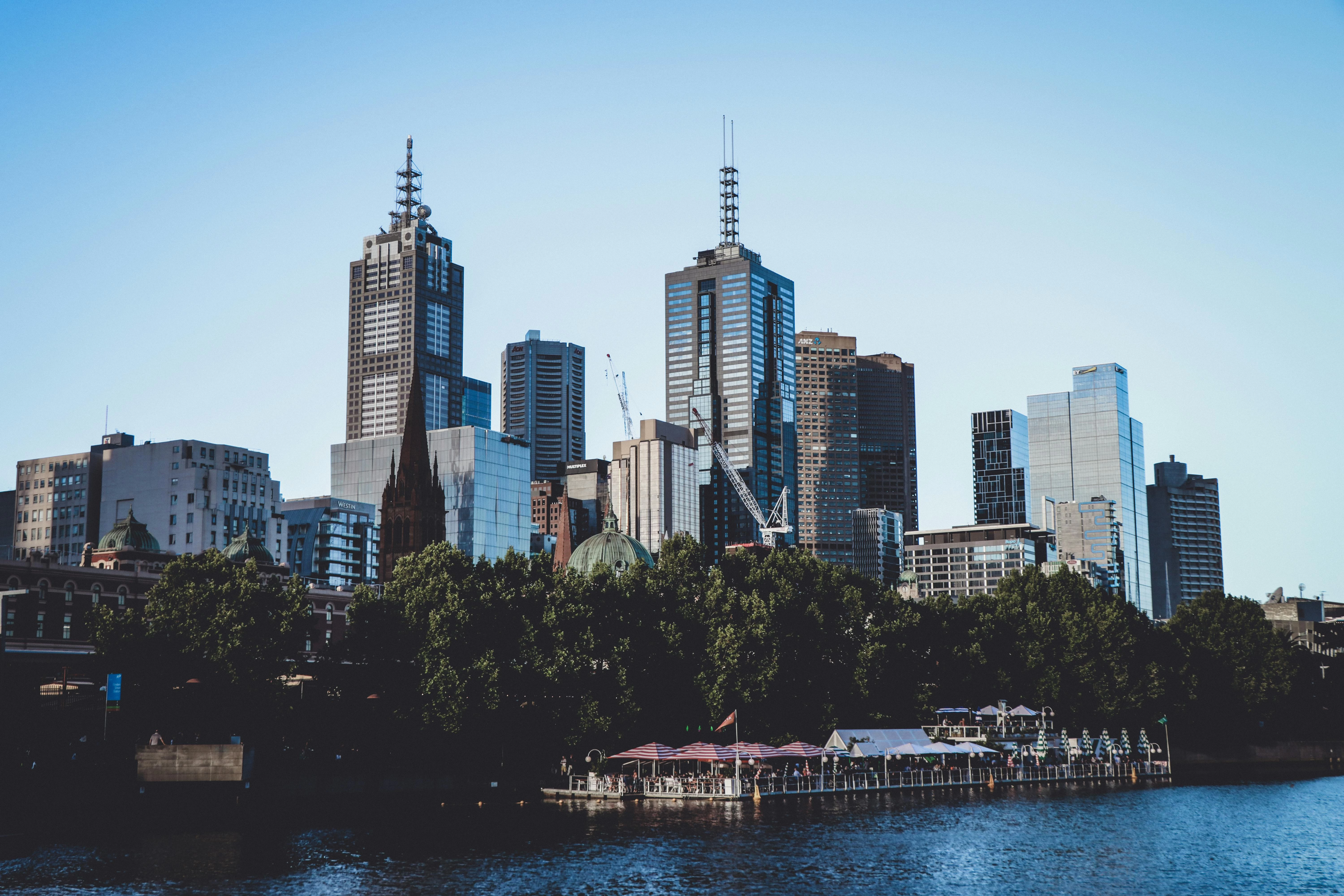
Buying an apartment in Melbourne CBD can be a strong long-term investment for buyers seeking rental demand, access to employment hubs, and relatively lower entry prices compared to detached housing. However, investment performance depends heavily on apartment type, building quality, location within the CBD, owner corporation costs, vacancy rates, and future supply levels. Smaller investor-grade units in oversupplied towers may deliver weaker capital growth, while well-located apartments near universities, transport, and lifestyle precincts often show more stable rental returns and resale demand.
Why Melbourne CBD Continues to Attract Apartment Investors
Melbourne CBD remains one of Australia’s most active apartment markets because it combines employment density, major universities, public transport access, entertainment precincts, and a large renter population within a compact area. Investors are often drawn to the CBD because apartments generally offer lower purchase prices than inner-suburban houses while still providing exposure to one of Australia’s largest property markets.
The CBD also benefits from continuous tenant demand generated by international students, young professionals, temporary workers, and downsizers seeking proximity to services and transport. This broad tenant pool can support occupancy rates even during changing economic conditions.
Key Economic Drivers Supporting the Melbourne CBD Apartment Market
Several structural factors continue to influence apartment demand in Melbourne CBD:
- Melbourne’s position as a major financial and business centre
- Large international student population
- Extensive tram and train connectivity
- Strong tourism and hospitality sectors
- Limited land availability for detached housing in central locations
- Population growth across metropolitan Melbourne
These fundamentals help sustain long-term demand for centrally located apartments, particularly near employment hubs and educational institutions.
Who Typically Buys Apartments in Melbourne CBD?
Melbourne CBD apartments appeal to several buyer categories, each with different investment goals and risk tolerances.
| Buyer Type | Primary Goal | Typical Focus |
|---|---|---|
| First-Time Investors | Affordable market entry | Smaller one-bedroom apartments |
| Interstate Investors | Rental yield and diversification | High-demand rental locations |
| Owner-Occupiers | Lifestyle and convenience | Premium buildings and amenities |
| International Buyers | Education and long-term holding | Apartments near universities |
| Downsizers | Low-maintenance living | Larger established apartments |
Understanding who competes for similar apartments is important because buyer demographics influence both resale demand and rental stability.
Not All Melbourne CBD Locations Perform Equally
Apartment performance can vary significantly across different sections of the CBD. Properties located near universities such as RMIT and the University of Melbourne often attract student tenants, while apartments near Collins Street and Docklands may appeal more to professionals working in finance and corporate sectors.
Areas surrounding Flagstaff Gardens and East Melbourne borders are often considered more desirable for owner-occupiers because they offer improved liveability, lower noise levels, and access to green space. By contrast, heavily concentrated high-rise precincts with large numbers of near-identical apartments may face stronger competition during resale or leasing periods.
Investors should assess:
- Walkability to transport and employment centres
- Future residential tower developments nearby
- Noise exposure and nightlife activity
- Building age and maintenance standards
- Local vacancy trends
- Access to supermarkets, healthcare, and public amenities
Melbourne CBD Apartment Market Overview
Melbourne CBD has historically experienced a different growth pattern from detached housing markets. Apartments in the CBD are influenced more directly by rental demand, migration, investor sentiment, construction supply, and lending conditions than land scarcity alone.
During periods of high apartment construction, capital growth may soften due to increased supply. Conversely, when migration increases and new supply slows, vacancy rates can tighten and rental prices may rise more rapidly.
How Apartment Prices in Melbourne CBD Compare With Other Property Types
Apartments in Melbourne CBD generally offer lower median purchase prices than detached houses in Melbourne’s inner and middle-ring suburbs. This lower entry point can make CBD apartments more accessible to investors with moderate borrowing capacity.
| Property Type | Typical Entry Cost | Rental Yield Potential | Capital Growth Pattern |
|---|---|---|---|
| CBD Apartments | Lower to moderate | Moderate to high | Moderate |
| Inner-Suburb Houses | High | Lower | Historically stronger |
| Townhouses | Moderate to high | Moderate | Moderate to strong |
| Outer-Suburb Units | Lower | Moderate | Location dependent |
Investors focused on cash flow may prefer apartments because rental yields are often stronger than detached houses. However, buyers prioritising long-term capital appreciation may compare CBD apartments carefully against established inner-suburban alternatives.
Oversupply Risk Is One of the Biggest Investment Considerations
One of the most important factors affecting Melbourne CBD apartment investments is future housing supply. Large-scale residential developments can increase competition among landlords and place pressure on resale prices, particularly when many apartments share similar layouts and finishes.
Oversupply risks are typically higher in:
- High-density investor-focused towers
- Buildings dominated by small studio apartments
- Precincts with multiple approved developments
- Areas with limited owner-occupier demand
Investors can reduce exposure to oversupply risks by targeting apartments with differentiated features such as:
- Larger floorplans
- Natural light and cross ventilation
- Corner positions
- Secure parking
- Balconies or outdoor space
- Low-density boutique buildings
Building Quality Has a Direct Impact on Long-Term Returns
Apartment quality is a major determinant of investment performance in Melbourne CBD. Poorly maintained buildings or developments with structural concerns can affect financing approvals, insurance costs, tenant demand, and resale value.
Before purchasing, buyers should investigate:
- Owners corporation financial records
- Special levies and repair histories
- Building defect reports
- Cladding compliance status
- Short-term rental restrictions
- Lift and facility maintenance schedules
Established buildings with strong management and lower turnover rates may provide greater long-term stability than newly completed towers with untested operational performance.
Rental Yields and ROI Potential in Melbourne CBD
Rental income is one of the main reasons investors consider Melbourne CBD apartments. Compared with many detached homes, apartments can deliver stronger gross rental yields due to lower acquisition costs relative to weekly rental income.
However, true return on investment should be evaluated beyond headline rental yield figures. Owners must also account for strata fees, council rates, maintenance costs, loan interest, vacancy periods, insurance, and depreciation factors.
Gross Yield and Net Yield Are Different Measures
Many first-time investors focus only on gross rental yield, which can create unrealistic expectations about profitability.
| Metric | What It Measures | Why It Matters |
|---|---|---|
| Gross Rental Yield | Annual rent divided by purchase price | Basic income comparison |
| Net Rental Yield | Income after expenses | More realistic profitability assessment |
Apartments with gyms, pools, concierge services, and extensive shared facilities may attract higher rents, but they can also carry substantially higher owners corporation fees that reduce net returns.
What Drives Rental Demand in Melbourne CBD?
Rental demand in Melbourne CBD is closely linked to migration, university enrolments, employment conditions, and public transport accessibility. Areas near major train stations, tram corridors, and educational institutions often maintain stronger leasing activity.
Apartments with the following characteristics generally attract broader tenant demand:
- Functional floorplans
- Separate study areas for remote work
- Modern kitchens and bathrooms
- Energy-efficient features
- Secure entry systems
- Reliable internet infrastructure
Tenant preferences have also shifted in recent years toward apartments with better natural light, flexible living spaces, and access to outdoor areas.
Capital Growth Versus Rental Income
Investors often need to balance two competing objectives: immediate rental income and long-term capital growth. Melbourne CBD apartments can generate consistent rental demand, but capital growth outcomes vary widely based on property scarcity, building quality, and market cycles.
In many cases, boutique apartments in tightly held locations outperform generic high-rise stock over longer holding periods because they appeal to both investors and owner-occupiers during resale.
Buyers seeking stronger long-term appreciation should typically prioritise:
- Unique or low-supply apartment types
- Premium locations within the CBD fringe
- High owner-occupier appeal
- Strong building reputations
- Flexible layouts suitable for multiple tenant types
Short-term cash flow opportunities should not outweigh due diligence on long-term resale demand and asset quality.
Which Apartment Types Perform Best in Melbourne CBD?
Apartment performance in Melbourne CBD varies significantly by layout, building design, tenant appeal, and long-term supply levels. Investors who focus only on purchase price often overlook factors that influence future resale demand and rental resilience.
In many cases, apartments with broader owner-occupier appeal perform more consistently than highly standardised investor-grade units. Demand diversity is important because it creates multiple resale pathways during changing market conditions.
Studio Apartments vs One-Bedroom Apartments
Studio apartments typically offer lower entry prices and potentially higher gross rental yields, but they can also face tighter lending restrictions, smaller buyer pools, and greater exposure to oversupply.
One-bedroom apartments generally attract broader demand from professionals, couples, students, and owner-occupiers. They may also provide stronger long-term resale liquidity compared with compact studio stock.
| Factor | Studio Apartment | One-Bedroom Apartment |
|---|---|---|
| Entry Price | Lower | Moderate |
| Tenant Demand | Student-focused | Broader market appeal |
| Finance Accessibility | Can be restrictive | Generally easier |
| Capital Growth Potential | More variable | Typically stronger |
| Vacancy Risk | Higher in oversupplied areas | Moderate |
Investors considering studio apartments should confirm minimum size requirements with lenders because some banks restrict financing for units below specific square metre thresholds.
New Apartments vs Established Apartments
New apartments often attract buyers through modern finishes, depreciation benefits, and developer incentives. However, they may also include premium pricing that can affect immediate resale value.
Established apartments can provide larger floorplans, proven building performance, and lower price volatility. Some older buildings also occupy more desirable land positions with lower resident density.
| Feature | New Apartments | Established Apartments |
|---|---|---|
| Modern Amenities | Usually extensive | Varies by building |
| Depreciation Benefits | Potentially higher | Typically lower |
| Floorplan Size | Often smaller | Commonly larger |
| Maintenance History | Limited operating history | Track record available |
| Price Premium Risk | Higher | Moderate |
Buyers should evaluate building reputation carefully rather than assuming newer developments automatically provide better investment outcomes.
High-Rise Towers vs Boutique Buildings
Large high-rise developments dominate much of Melbourne CBD’s apartment landscape, but boutique buildings with fewer residences often attract stronger owner-occupier interest.
High-rise towers may offer premium amenities such as pools, gyms, and concierge services, but they can also experience:
- Higher owners corporation fees
- Greater rental competition
- Elevated maintenance complexity
- Increased exposure to supply-driven price pressure
Boutique developments may lack extensive shared facilities but can benefit from lower density, quieter living environments, and greater uniqueness in the resale market.
Costs, Risks, and Financial Considerations Before Buying
A Melbourne CBD apartment investment should be assessed using a full-cost ownership approach rather than focusing solely on purchase price or rental income projections.
Ongoing expenses can materially affect investment performance, particularly in buildings with extensive amenities or ageing infrastructure.
Upfront Buying Costs Investors Should Budget For
Buyers should account for acquisition costs beyond the advertised property price. These expenses can influence borrowing capacity and cash flow planning.
| Cost Type | Purpose |
|---|---|
| Stamp Duty | Government transfer tax |
| Legal and Conveyancing Fees | Contract and settlement processing |
| Loan Establishment Fees | Mortgage setup charges |
| Building and Pest Inspections | Property condition assessment |
| Mortgage Insurance | Applicable for lower deposits |
Foreign buyers may also face additional surcharges and regulatory obligations depending on residency status and state legislation.
Ongoing Ownership Costs Can Reduce Net Returns
Ongoing apartment ownership expenses are often underestimated by first-time investors. Some buildings with luxury facilities can carry substantial annual operating costs.
Common recurring expenses include:
- Owners corporation fees
- Council rates
- Water charges
- Landlord insurance
- Property management fees
- Maintenance and repairs
- Loan interest payments
Investors should request detailed owners corporation records before purchasing because low initial fees can sometimes increase sharply if major repairs emerge later.
Interest Rates and Borrowing Conditions Matter
Apartment investments are highly sensitive to interest rate changes because borrowing costs directly affect monthly cash flow and investor demand.
During higher-rate environments:
- Mortgage repayments increase
- Investor borrowing capacity may decline
- Buyer competition can soften
- Cash flow pressure may rise
However, tighter rental markets can partially offset higher financing costs through rental growth, depending on vacancy conditions and tenant demand.
Investors should model multiple repayment scenarios before purchasing, particularly if relying on variable-rate lending structures.
Common Mistakes Investors Make When Buying Melbourne CBD Apartments
Many underperforming apartment investments result from inadequate due diligence rather than broader market conditions alone. Buyers who focus exclusively on short-term affordability may overlook structural risks that affect long-term returns.
Focusing Only on High Rental Yield
High advertised rental yields can sometimes indicate elevated risk rather than strong investment quality. Apartments with unusually high yields may be located in oversupplied precincts or buildings with weaker owner-occupier demand.
Sustainable investment performance generally requires balance between:
- Rental stability
- Capital growth potential
- Building quality
- Liquidity during resale
Ignoring Owners Corporation and Defect Histories
Investors sometimes purchase apartments without reviewing financial statements, maintenance reports, or defect histories. This can expose buyers to unexpected repair costs or future special levies.
Due diligence should include:
- Reviewing meeting minutes
- Checking sinking fund balances
- Assessing ongoing litigation risks
- Confirming cladding compliance
- Investigating building insurance issues
Overlooking Future Resale Demand
Apartments that appear attractive during strong rental periods may become difficult to resell if many similar units enter the market simultaneously.
Investors should evaluate whether the apartment offers characteristics that distinguish it from competing stock, including:
- Superior layout efficiency
- Natural ventilation and lighting
- Protected views
- Low-density living environments
- Proximity to enduring infrastructure and employment hubs
Long-term investment resilience is often linked to scarcity, usability, and owner-occupier appeal rather than short-term market excitement.
Is Melbourne CBD a Good Long-Term Apartment Investment Location?
Melbourne CBD can be a viable long-term apartment investment location for buyers who prioritise rental demand, transport access, employment connectivity, and diversified tenant pools. However, investment outcomes are highly dependent on asset selection, building quality, supply conditions, and holding strategy.
The CBD’s long-term appeal is supported by several structural advantages:
- Large employment concentration
- Strong university presence
- International migration demand
- Extensive public transport infrastructure
- Ongoing population growth in Melbourne
- Limited detached housing supply in central areas
These drivers contribute to sustained occupancy demand, particularly for well-located apartments with functional layouts and strong liveability.
Market Cycles Influence Short-Term Returns
Apartment markets in Melbourne CBD can experience periods of slower capital growth when construction activity increases rapidly or investor sentiment weakens. These cycles are normal in high-density urban markets.
Investors with longer holding periods may be better positioned to absorb short-term fluctuations while benefiting from:
- Rental income growth over time
- Infrastructure investment
- Urban renewal projects
- Population expansion
- Reduced supply pipelines in later market phases
Timing still matters. Buying during periods of excessive new apartment supply may reduce near-term capital appreciation potential.
Owner-Occupier Demand Often Supports Stronger Resale Outcomes
Apartments that appeal to owner-occupiers often demonstrate greater resilience during weaker market conditions because they attract buyers motivated by lifestyle rather than investment metrics alone.
Features commonly associated with stronger owner-occupier demand include:
- Larger internal living areas
- Natural light and ventilation
- Lower-density buildings
- Secure parking
- Premium CBD fringe locations
- Proximity to parks and amenities
Properties with these characteristics may experience lower tenant turnover and more stable resale interest over time.
Should You Buy an Apartment in Melbourne CBD?
Buying an apartment in Melbourne CBD may suit investors seeking rental income, urban market exposure, and a comparatively lower entry point into Melbourne real estate. It may also suit owner-occupiers prioritising convenience, walkability, and transport accessibility.
However, not every apartment represents a strong investment opportunity. Buyers should evaluate:
- Building quality and maintenance history
- Owners corporation financial health
- Apartment layout and functionality
- Local supply pipeline
- Vacancy trends
- Long-term resale appeal
- Net rental yield after expenses
Investors focused purely on short-term gains may encounter volatility in highly supplied precincts. By contrast, buyers prioritising asset quality, tenant demand, and long-term holding strategies may find selective Melbourne CBD apartments capable of delivering stable performance over time.
Independent financial advice, building due diligence, and suburb-level market research remain essential before committing to any property purchase.
Frequently Asked Questions
Are Melbourne CBD apartments good investments?
Melbourne CBD apartments can be good investments when selected carefully. Strong rental demand, central location advantages, and lower entry prices support investment appeal, but outcomes depend on building quality, apartment type, supply levels, and long-term market conditions.
Which apartment type performs best in Melbourne CBD?
One-bedroom and larger apartments with functional layouts, natural light, and owner-occupier appeal often perform more consistently than highly compact investor-grade studios in oversupplied towers.
Do Melbourne CBD apartments offer good rental yields?
Melbourne CBD apartments can provide moderate to strong gross rental yields compared with detached housing. However, investors should assess net yield after accounting for owners corporation fees, maintenance, insurance, and vacancy periods.
Is apartment oversupply a risk in Melbourne CBD?
Yes. Oversupply risk can affect rental competition and capital growth, particularly in precincts with many similar high-rise developments. Buyers should review future construction pipelines and focus on apartments with differentiated features.
Are owners corporation fees expensive in Melbourne CBD?
Owners corporation fees vary significantly depending on building size, amenities, maintenance needs, and services provided. Buildings with pools, gyms, and concierge services generally have higher ongoing fees.
Do Melbourne CBD apartments experience strong capital growth?
Capital growth varies widely across apartment types and locations. Boutique apartments with stronger owner-occupier appeal often perform better over time than generic high-density investor stock.
Key Takeaways
- Location Matters: Apartment performance differs across Melbourne CBD precincts depending on transport access, tenant demand, and future supply levels.
- Rental Demand Remains Strong: Universities, employment hubs, and migration continue to support CBD rental activity.
- Not All Apartments Perform Equally: Building quality, floorplan design, and owner-occupier appeal significantly influence long-term returns.
- Oversupply Is a Key Risk: High-density towers with large volumes of similar apartments may face weaker resale growth and stronger rental competition.
- Net Yield Is More Important Than Gross Yield: Ongoing costs such as owners corporation fees and maintenance can materially reduce investment returns.
- Due Diligence Is Essential: Buyers should review building records, defect history, strata finances, and local market conditions before purchasing.
References
- Victorian Government property and planning publications
- Reserve Bank of Australia housing and lending reports
- Australian Bureau of Statistics population and housing data
- Consumer Affairs Victoria owners corporation guidance
- CoreLogic and Australian housing market research publications
- Melbourne metropolitan infrastructure and urban development reports