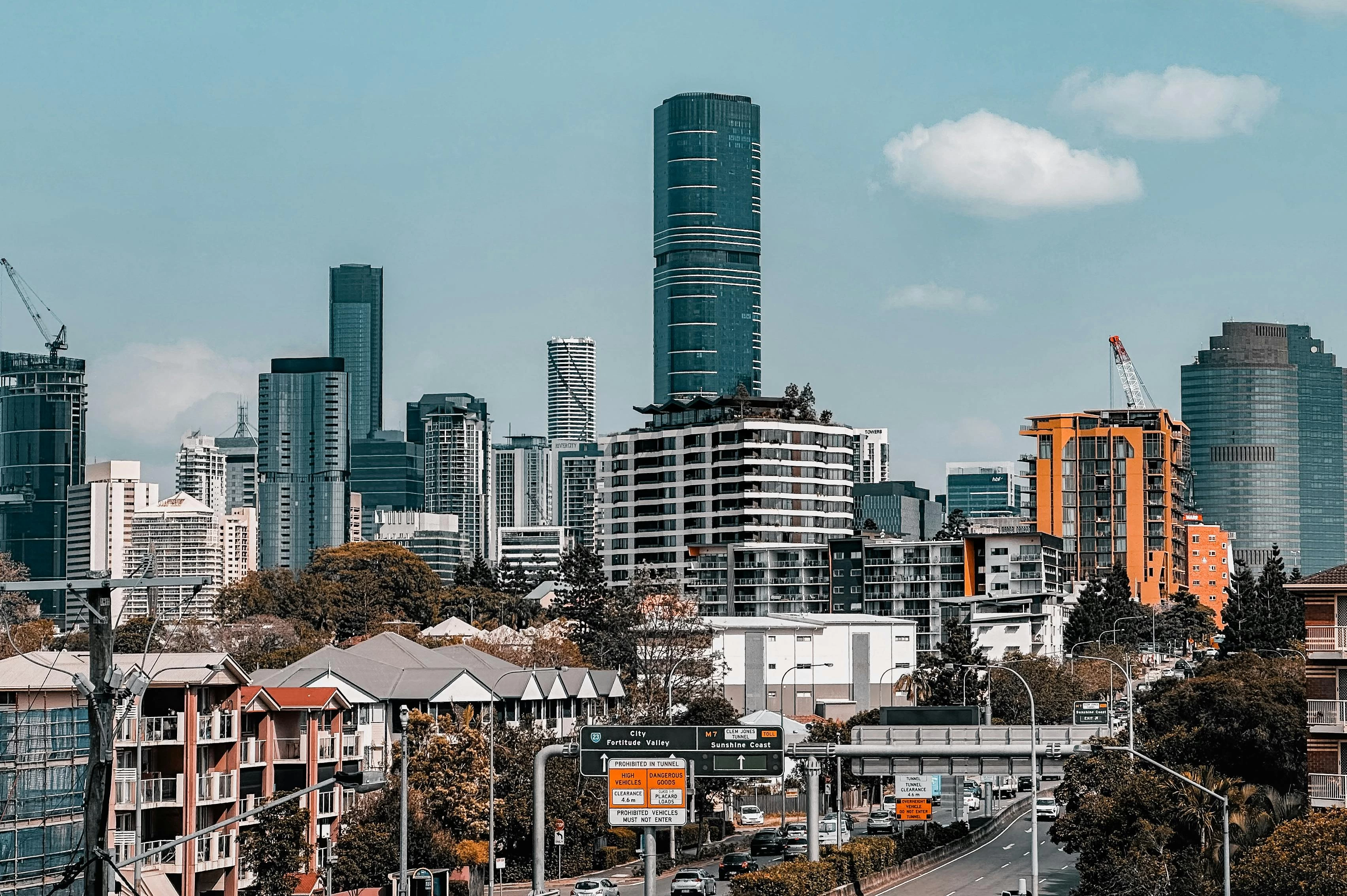
Buying an apartment in Brisbane can be a smart investment for buyers seeking lower entry prices than Sydney or Melbourne, growing rental demand, and long-term population-driven housing growth. Brisbane’s apartment market has benefited from interstate migration, infrastructure spending, and relative affordability, but investment outcomes still depend heavily on suburb selection, supply levels, building quality, and holding strategy.
Why Are Buyers and Investors Interested in Brisbane Apartments?
Buyers and investors are increasingly interested in Brisbane apartments because the city has historically offered more affordable property entry points than Australia’s larger southern capitals while maintaining strong economic and population growth fundamentals.
Brisbane’s expanding infrastructure network, employment growth, interstate migration, and preparations linked to major future events such as the 2032 Olympic Games have contributed to stronger attention from owner-occupiers and investors.
Apartments in Brisbane also appeal to buyers seeking:
- Lower purchase prices compared with detached houses
- Access to inner-city and riverside locations
- Rental income opportunities
- Reduced maintenance responsibility
- Lifestyle convenience near transport and employment hubs
While Brisbane’s apartment market has strengthened in many areas, performance varies significantly between suburbs and building types. Some high-density precincts remain more vulnerable to oversupply and weaker resale competition than tightly held inner-ring locations.
What Factors Are Driving Brisbane’s Apartment Market?
Several long-term economic and demographic factors continue influencing apartment demand across Brisbane.
| Market Driver | Impact on Apartment Demand |
|---|---|
| Interstate Migration | Increases housing demand from relocating residents |
| Relative Affordability | Attracts buyers priced out of larger capitals |
| Infrastructure Investment | Improves connectivity and suburb accessibility |
| Employment Growth | Supports long-term housing demand |
| University and Education Activity | Strengthens tenant demand in key precincts |
Brisbane’s affordability advantage has historically attracted both investors and owner-occupiers seeking value relative to Sydney and Melbourne property prices. However, rising prices and changing interest rates can still affect affordability conditions over time.
Are Apartments Better Investments Than Houses in Brisbane?
Apartments and houses serve different investment purposes in Brisbane. Houses often benefit from stronger land-driven capital growth over long periods, while apartments may offer improved affordability and higher rental yields relative to purchase price.
| Factor | Apartment | House |
|---|---|---|
| Entry Price | Typically lower | Typically higher |
| Rental Yield | Often stronger | Generally lower |
| Land Component | Limited direct land ownership | Higher land exposure |
| Maintenance | Shared through strata | Owner responsibility |
| Lifestyle Access | Often close to CBD and transport | Varies by suburb |
Buyers should assess investment goals carefully rather than assuming one property type is universally superior. Income-focused investors may prioritise apartment yields, while long-term capital growth investors may prefer detached housing where financially feasible.
What Is the Growth Potential for Brisbane Apartments?
Brisbane apartments have demonstrated improving growth potential in recent years due to population expansion, constrained housing supply in some locations, and increased interstate demand. However, growth outcomes vary significantly based on location, apartment quality, and local supply conditions.
Apartments located in established inner-city and middle-ring suburbs with strong transport access and limited oversupply have generally shown stronger long-term resilience than large-scale investor-dominated precincts.
Do Brisbane Apartments Experience Strong Capital Growth?
Some Brisbane apartments have achieved solid capital growth, particularly properties in desirable inner-ring suburbs where land scarcity, infrastructure access, and owner-occupier demand support pricing stability.
Apartment capital growth is often influenced by:
- Proximity to employment hubs
- Access to public transport
- Supply constraints
- Building quality and reputation
- Suburb desirability
- Population growth trends
Apartments in oversupplied high-rise corridors may experience slower appreciation because buyers and tenants have access to large volumes of competing stock.
Boutique complexes and established low-density buildings in tightly held suburbs often demonstrate stronger scarcity value than mass-produced developments.
Is Rental Demand Strong for Brisbane Apartments?
Rental demand for Brisbane apartments has strengthened in many areas due to population growth, university activity, interstate migration, and affordability pressures in the housing market.
High-demand rental locations often include suburbs near:
- The Brisbane CBD
- Major hospitals
- Universities
- Public transport corridors
- Entertainment and dining precincts
Investors should still monitor vacancy rates, future development approvals, and local rental competition because conditions can change rapidly in apartment-heavy precincts.
| Factor | Potential Effect |
|---|---|
| Transport Connectivity | Improves tenant demand and occupancy stability |
| University Proximity | Supports student and academic rental demand |
| Oversupply | Can pressure rents and increase vacancies |
| Lifestyle Amenities | Improves attractiveness to tenants and buyers |
| Building Quality | Influences tenant retention and resale appeal |
How Do Market Cycles Affect Brisbane Apartment Investments?
Brisbane apartment values are influenced by interest rates, economic conditions, construction activity, and broader housing market cycles. Prices may experience periods of rapid growth, slower movement, or temporary declines depending on supply and financing conditions.
Buyers entering the market during high-supply periods may experience slower short-term growth, particularly in areas with substantial development pipelines.
Long-term investors generally focus more on:
- Location quality
- Population growth
- Infrastructure expansion
- Rental demand sustainability
- Asset scarcity
Apartment investing in Brisbane is often more resilient when buyers adopt longer holding periods rather than relying on short-term market speculation.
Which Brisbane Locations Offer the Strongest Apartment Demand?
Brisbane suburbs with strong apartment demand typically combine transport accessibility, employment proximity, lifestyle appeal, and constrained future supply. Location selection remains one of the most important factors influencing long-term investment performance.
Should Buyers Focus on Inner-Ring or Outer-Ring Brisbane Apartments?
Inner-ring Brisbane apartments often attract stronger owner-occupier and tenant demand because of proximity to the CBD, riverfront precincts, universities, and entertainment districts.
Outer-ring apartments may offer lower entry prices but can face weaker demand if transport links and infrastructure access are limited.
| Market Area | Advantages | Potential Risks |
|---|---|---|
| Inner-Ring | High demand, lifestyle access, transport convenience | Higher purchase prices |
| Middle-Ring | Balanced affordability and accessibility | Variable supply conditions |
| Outer-Ring | Lower entry cost | Potentially weaker tenant demand and slower growth |
Buyers should evaluate each suburb individually rather than relying solely on broad geographic assumptions.
What Apartment Features Attract Strong Buyer and Tenant Demand?
Apartments with practical layouts, natural light, ventilation, parking, and strong building management generally attract broader long-term demand.
Features commonly associated with stronger investment resilience include:
- Functional floor plans
- Low-maintenance design
- Balcony or outdoor space
- Secure parking
- Public transport access
- Reasonable strata costs
- Low building defect history
Apartments with unusual layouts, poor ventilation, excessive strata fees, or limited natural light may experience weaker resale and rental demand over time.
What Financial and Legal Factors Should Buyers Understand Before Purchasing?
Apartment buyers in Brisbane should assess financing conditions, ownership costs, strata obligations, and contract terms carefully before committing to a purchase. Apartment ownership involves shared responsibilities and recurring expenses that differ from detached housing investments.
How Does Apartment Financing Work in Brisbane?
Most Brisbane apartment buyers finance purchases through standard residential mortgages, but lenders may apply stricter criteria to some apartment types and building categories.
Financing restrictions may apply to:
- Studio apartments
- Very small units
- Buildings with known structural issues
- High-density developments in oversupplied markets
- Properties with combustible cladding concerns
Buyers should secure loan pre-approval before making offers and confirm that lenders are comfortable with both the property type and building condition.
| Financing Factor | Why It Matters |
|---|---|
| Deposit Size | Larger deposits may improve lending terms |
| Building Quality | Can affect bank valuations and loan approval |
| Apartment Size | Small units may face lending restrictions |
| Interest Rates | Influence borrowing capacity and repayments |
| Oversupply Risk | May reduce lender confidence in some suburbs |
What Are Strata Fees and Why Do They Matter?
Strata fees are recurring contributions paid by apartment owners to maintain shared building infrastructure and common areas. These levies directly affect investment cash flow and affordability.
Strata costs may cover:
- Building insurance
- Cleaning and maintenance
- Lift servicing
- Pool and gym upkeep
- Security systems
- Capital works funds
Buyers should review body corporate records carefully because poorly funded buildings may require future special levies for repairs or compliance work.
Buildings with extensive facilities often have substantially higher ongoing levies than smaller boutique complexes.
What Costs Should Buyers Budget for Beyond the Purchase Price?
Apartment ownership costs extend beyond mortgage repayments and purchase price. Buyers should prepare for both upfront transaction expenses and recurring holding costs.
| Cost Type | Typical Purpose |
|---|---|
| Stamp Duty | Government transfer tax |
| Legal Fees | Conveyancing and contract review |
| Strata Levies | Shared building maintenance |
| Council Rates | Local government charges |
| Property Management Fees | Investment property administration |
| Maintenance Costs | Repairs and apartment upkeep |
Investors should also consider vacancy risk, interest rate fluctuations, and future maintenance obligations when calculating long-term affordability.
What Risks Should Buyers Consider Before Investing in Brisbane Apartments?
Brisbane apartment investments carry risks related to oversupply, building defects, financing conditions, and changing economic cycles. Careful due diligence is essential before purchasing.
Can Oversupply Reduce Apartment Investment Performance?
Oversupply can weaken rental growth, reduce resale competition, and increase vacancy rates when too many apartments enter the market within a concentrated area.
High-risk oversupply indicators may include:
- Large-scale development pipelines
- High investor ownership concentrations
- Numerous near-identical apartment towers
- Weak owner-occupier demand
- Rapidly rising vacancy rates
Buyers often reduce oversupply exposure by targeting established suburbs with more limited future development capacity.
Are Building Defects a Major Concern in Brisbane Apartments?
Building defects can affect apartment values, financing access, insurance costs, and future maintenance obligations. Buyers should investigate construction quality carefully before proceeding.
| Issue | Potential Impact |
|---|---|
| Waterproofing Problems | Expensive repairs and long-term deterioration |
| Structural Defects | Reduced property value and financing challenges |
| Combustible Cladding | Compliance and insurance risks |
| Poor Acoustic Design | Reduced tenant and buyer appeal |
| Fire Compliance Issues | Potential legal and rectification costs |
Buyers should review body corporate records, engineering reports, and maintenance histories before exchanging contracts.
What Mistakes Do Brisbane Apartment Buyers Commonly Make?
Common buyer mistakes include focusing too heavily on low purchase prices while overlooking long-term fundamentals that influence future demand and resale performance.
Frequent investment mistakes include:
- Ignoring body corporate financial health
- Buying in oversupplied precincts
- Underestimating holding costs
- Failing to research transport infrastructure
- Purchasing poor-quality layouts
- Overleveraging during rising interest rate periods
Apartment investing typically performs better when buyers prioritise long-term demand drivers over short-term market sentiment.
Should Buyers Choose New or Established Brisbane Apartments?
Both new and established apartments offer different investment advantages. The better option depends on financial goals, risk tolerance, and preferred holding strategy.
What Are the Benefits of New Apartments?
New apartments often include modern finishes, energy-efficient systems, updated compliance standards, and lower immediate maintenance requirements.
Potential advantages include:
- Contemporary layouts
- Smart-home integration
- Depreciation benefits for investors
- Lower short-term repair costs
- Modern amenities and facilities
Buyers should still evaluate developer reputation and local supply pipelines carefully because newly developed areas may face increased competition.
Why Do Some Investors Prefer Established Apartments?
Established apartments may offer larger floor plans, stronger location scarcity, mature neighbourhood infrastructure, and proven long-term market performance.
Investors often value established apartments because they can review:
- Historical resale trends
- Existing body corporate records
- Long-term maintenance history
- Actual tenant demand patterns
- Building management quality
Smaller established apartment complexes in tightly held suburbs may demonstrate stronger long-term owner-occupier appeal than high-density investor-focused towers.
What Investment Strategies Work Best for Brisbane Apartments?
Brisbane apartment investments are generally more effective when approached with medium-term or long-term strategies focused on rental demand, location quality, and gradual capital growth.
Investors commonly prioritise:
- Transport-connected suburbs
- Areas with population growth
- Buildings with strong owner-occupier appeal
- Low to moderate supply environments
- Sustainable rental demand drivers
Short-term speculative strategies may carry higher risk due to transaction costs, market volatility, financing changes, and fluctuating buyer demand.
Long-term success often depends more on disciplined property selection and financial management than short-term market timing.
What Is the Future Outlook for Brisbane Apartment Investments?
Brisbane’s apartment market outlook remains closely linked to population growth, infrastructure expansion, interstate migration, and long-term housing demand. Continued investment in transport, urban renewal, and major event infrastructure is expected to influence apartment demand across many Brisbane precincts over the coming years.
Brisbane’s relative affordability compared with Sydney and Melbourne continues attracting both owner-occupiers and investors seeking lower entry costs. This affordability advantage has contributed to stronger migration flows and increased housing demand in many suburbs.
Several factors are likely to shape future apartment performance:
- Population growth and migration trends
- Interest rate movements
- Construction costs and housing supply levels
- Transport infrastructure expansion
- Employment and economic growth
- Urban redevelopment projects
While growth opportunities remain present, buyers should recognise that apartment markets do not perform uniformly. Supply-heavy precincts may experience weaker rental growth and slower resale appreciation compared with tightly held suburbs with stronger owner-occupier demand.
Could the 2032 Olympics Affect Brisbane Apartment Values?
Infrastructure investment associated with the 2032 Olympic Games may improve transport connectivity, urban renewal activity, and international visibility for Brisbane. Some suburbs could benefit from upgraded infrastructure and increased long-term economic activity.
However, buyers should avoid assuming the Olympics alone guarantees property price growth. Market outcomes will still depend on broader economic conditions, supply management, borrowing capacity, and local demand fundamentals.
Apartments located near major infrastructure upgrades or employment corridors may experience stronger demand if improvements enhance accessibility and liveability.
Why Is a Long-Term Holding Strategy Important?
Brisbane apartment investments often perform more effectively over longer holding periods because transaction costs, financing expenses, and market fluctuations can reduce short-term profitability.
Long-term ownership may allow investors to benefit from:
- Gradual rental income growth
- Debt reduction over time
- Potential capital appreciation
- Inflation-linked asset exposure
- Population-driven housing demand
Investors focused on sustainable cash flow and stable locations may be better positioned than those relying heavily on short-term speculative price movements.
Who Should Consider Investing in Brisbane Apartments?
Brisbane apartments may suit first-home buyers, income-focused investors, downsizers, and professionals seeking convenient access to employment hubs and urban amenities. The suitability of apartment investing depends on financial goals, borrowing capacity, lifestyle priorities, and risk tolerance.
| Buyer Type | Potential Advantages | Important Considerations |
|---|---|---|
| First-Home Buyers | Lower entry price compared with houses | Must budget for strata and ongoing fees |
| Investors | Rental demand and income opportunities | Need to monitor oversupply and vacancy rates |
| Downsizers | Reduced maintenance responsibility | Building accessibility and levies matter |
| Young Professionals | Convenient access to transport and employment | Future space requirements should be assessed |
Buyers seeking larger land ownership, redevelopment potential, or maximum land scarcity exposure may still prefer detached housing where financially practical.
Apartment investments tend to perform best when aligned with disciplined financial planning, thorough due diligence, and realistic long-term ownership expectations.
Frequently Asked Questions
Are Brisbane Apartments Good Investments?
Brisbane apartments can be strong investments when located in high-demand suburbs with good transport access, limited oversupply, and sustainable rental demand.
Do Brisbane Apartments Have Growth Potential?
Many Brisbane apartments have demonstrated growth potential due to population increases, infrastructure investment, and relative affordability compared with larger Australian capitals.
Which Brisbane Suburbs Are Popular for Apartment Investment?
Popular apartment investment areas often include inner-ring and transport-connected suburbs near employment hubs, universities, and lifestyle precincts.
Are Strata Fees Expensive in Brisbane?
Strata fees vary depending on building size, facilities, maintenance needs, and management quality. Buildings with pools, gyms, and lifts typically have higher ongoing levies.
Is It Better to Buy a New or Established Brisbane Apartment?
New apartments may provide modern amenities and lower short-term maintenance needs, while established apartments can offer larger layouts and stronger long-term scarcity value in some locations.
Is Rental Demand Strong for Brisbane Apartments?
Rental demand remains strong in many Brisbane suburbs due to population growth, migration, university activity, and affordability pressures in the housing market.
Key Takeaways
- Brisbane apartments can offer attractive investment opportunities: Population growth, infrastructure expansion, and relative affordability continue supporting demand.
- Location selection remains critical: Transport access, owner-occupier demand, and supply constraints strongly influence long-term performance.
- Oversupply risks should not be ignored: High-density precincts with large development pipelines may experience weaker rental and resale conditions.
- Financial due diligence is essential: Buyers should assess strata records, holding costs, building quality, and financing conditions carefully.
- Long-term strategies are generally more stable: Sustainable apartment investing often depends on patient ownership and disciplined asset selection.
References
- Australian Bureau of Statistics, Population and Housing Data
- Reserve Bank of Australia, Housing and Interest Rate Publications
- Queensland Government, Property and Housing Information
- CoreLogic Australia, Residential Property Market Research
- Queensland Titles Registry, Property Ownership Guidance
- Australian Prudential Regulation Authority, Mortgage Lending Standards