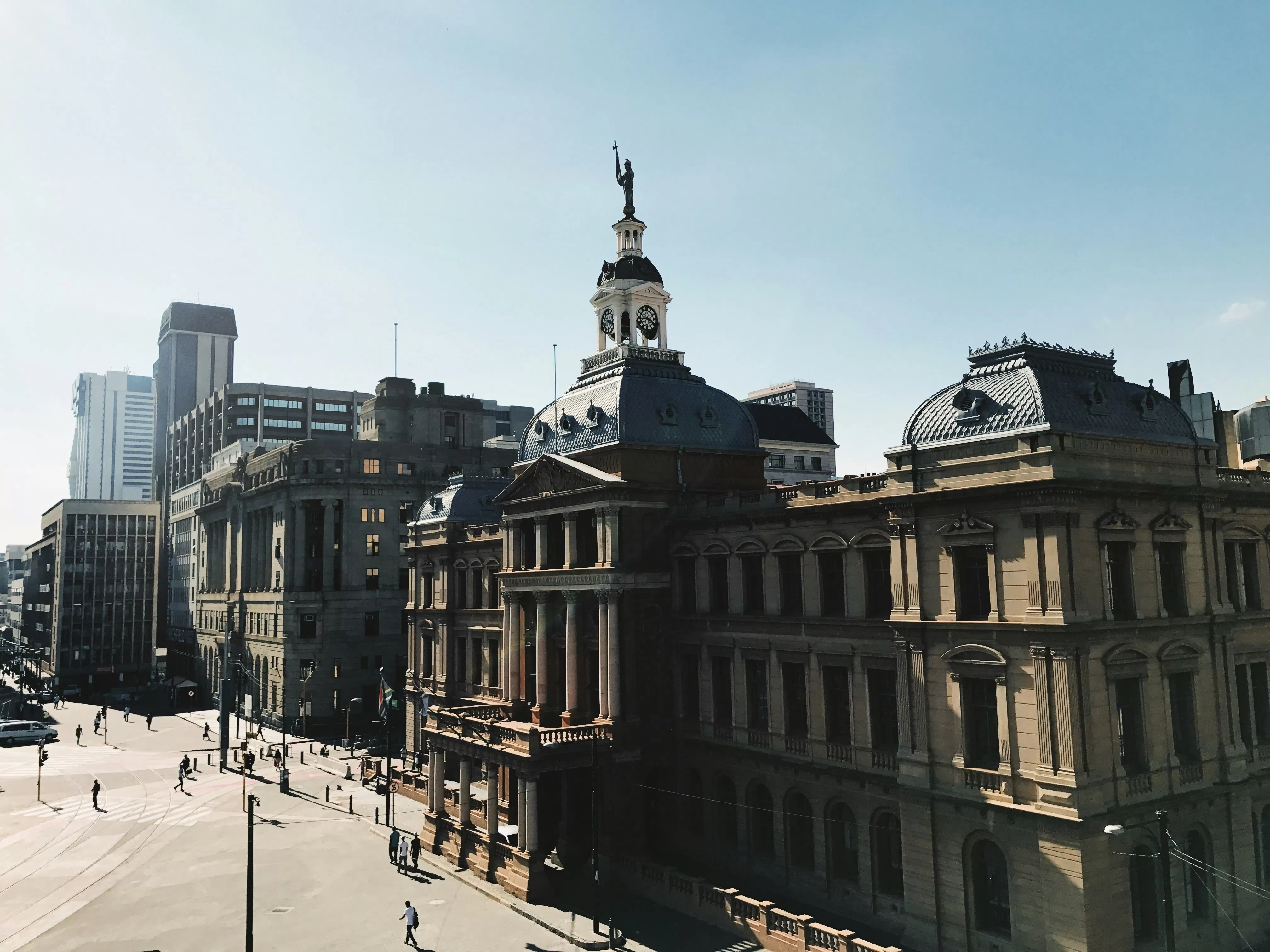
Buying an apartment in Brussels requires navigating a structured legal process that involves signing a purchase agreement, conducting mandatory legal and financial checks, and completing the transfer through a Belgian notary. Buyers must also budget for additional costs such as registration taxes, notary fees, and administrative charges, which can add roughly 10–15% to the purchase price. Understanding each stage from property search and offer submission to the final deed signing helps buyers avoid delays, manage costs accurately, and ensure the transaction complies with Belgian property law.
Understanding the Brussels Apartment Market
Brussels is one of Europe’s most internationally accessible property markets. As the administrative centre of the European Union and host to numerous multinational institutions, the city attracts diplomats, international professionals, investors, and long-term residents. Apartments represent a large share of residential transactions because of Brussels’ urban density and demand for centrally located housing.
Unlike some European capitals where foreign ownership faces restrictions, the Belgian property market operates with relatively open rules. Apartments can be purchased as primary residences, investment properties, or rental assets without significant barriers for non-residents. However, buyers must follow a formal legal process governed by Belgian civil law and supervised by a licensed notary.
The Brussels-Capital Region contains 19 municipalities, each with different price ranges, building types, and buyer demographics. Areas such as Ixelles, Etterbeek, Saint-Gilles, and the European Quarter are popular among international professionals, while neighbourhoods like Schaerbeek and Anderlecht often offer comparatively lower entry prices for first-time buyers.
Apartment buildings in Brussels frequently operate under condominium ownership structures. Each owner holds private ownership of their unit while sharing ownership of common areas such as staircases, elevators, and roofs. This structure requires buyers to review building regulations, maintenance budgets, and homeowners’ association decisions before purchasing.
Understanding these structural and legal characteristics is essential before beginning the purchase process. Apartment transactions involve multiple parties: buyer, seller, real estate agent, bank, and notary, and each stage carries legal obligations that affect both the timeline and the final cost of ownership.
Who Can Buy an Apartment in Brussels
Both Belgian residents and foreign nationals are legally permitted to purchase apartments in Brussels. Belgian property law does not impose nationality restrictions on real estate ownership. This means individuals, expatriates, companies, and international investors can buy residential property in the city.
However, while ownership rules are open, buyers must still satisfy practical financial and administrative requirements. These include identity verification, financing approval if a mortgage is required, and compliance with anti-money-laundering regulations handled by the notary during the transaction.
Foreign buyers who intend to finance their purchase through a Belgian bank should expect stricter lending conditions compared with residents. Banks typically evaluate income stability, employment contracts, residency status, and debt-to-income ratios before granting a mortgage. In many cases, non-resident buyers must provide a larger deposit.
Individuals purchasing apartments as investment properties must also consider Belgium’s tax framework. Rental income from residential property is taxed differently depending on whether the tenant uses the apartment for residential purposes or professional activities. Buyers should understand these implications before acquiring property for rental income.
Corporate purchases are also common in Brussels, particularly for investors building rental portfolios. However, corporate ownership can trigger different taxation rules and administrative obligations, which often require professional legal and accounting advice before proceeding.
Regardless of whether the buyer is local or international, every property transaction must pass through a notary. The notary acts as a neutral legal authority responsible for verifying ownership rights, ensuring the legality of the transaction, collecting taxes, and registering the final deed with the Belgian land registry.
Step-by-Step Process for Buying an Apartment in Brussels
Buying an apartment in Brussels follows a standardised legal sequence designed to protect both buyer and seller. While individual timelines may vary depending on financing and administrative checks, most transactions follow the same core stages from initial offer to final deed transfer.
1. Property Search and Preliminary Due Diligence
The process begins with identifying suitable apartments through real estate agencies, online property platforms , or private sellers. During property viewings, buyers should evaluate not only the apartment itself but also the financial condition of the building. Condominium documents, maintenance costs, and planned renovation works can significantly affect long-term ownership costs.
Buyers should also verify essential property documents such as the energy performance certificate, urban planning compliance, building permits, and condominium rules. These documents provide early insight into potential legal or financial issues that could affect the transaction.
2. Submitting an Offer to Purchase
Once a buyer decides to proceed, the next step is submitting a written offer to the seller. In Belgium, offers can be legally binding if accepted without modification. The document typically includes the proposed purchase price, any conditions related to financing approval, and the validity period of the offer.
Because offers may create contractual obligations, buyers often consult their notary or real estate advisor before submitting them. The offer may also include conditions such as obtaining a mortgage or confirming the absence of legal issues with the property.
3. Signing the Compromise de Vente (Preliminary Sales Agreement)
After an offer is accepted, the buyer and seller sign a preliminary sales agreement known as the “compromise de vente” or “compromis.” This document forms the legally binding contract outlining the terms of the sale, including the agreed price, deposit amount, completion timeline, and any conditions that must be satisfied before the final transfer.
At this stage, buyers usually pay a deposit of approximately 10 per cent of the purchase price. The funds are typically held in a secure escrow account managed by the notary or real estate agent until the final transaction is completed.
Once the compromise is signed, both parties are legally committed to completing the transaction unless specific contractual conditions are not met. If either party withdraws without a valid justification, financial penalties may apply.
4. Legal Checks Conducted by the Notary
Following the signing of the preliminary agreement, the notary begins a series of mandatory legal verifications. These checks ensure that the seller has valid ownership rights and that the apartment can legally be transferred without disputes or restrictions.
The notary verifies land registry records, mortgage registrations, urban planning permissions, and any debts linked to the property. The notary also confirms whether the apartment is subject to easements, zoning limitations, or pending legal disputes that could affect ownership rights.
These legal checks typically take several weeks and form a crucial safeguard within the Belgian property system. Buyers benefit from the notary’s role as a neutral legal authority responsible for ensuring the transaction meets all regulatory requirements.
Role of the Notary in a Brussels Property Transaction
Every real estate transaction in Belgium must be completed through a licensed notary. The notary is a legally appointed public official whose responsibility is to ensure the transaction complies with Belgian law, protects both parties, and is properly recorded in official property registers. Unlike lawyers who represent one party, the notary acts as a neutral authority supervising the entire legal transfer.
Once the preliminary purchase agreement is signed, the notary begins a series of administrative and legal procedures required before the final deed can be executed. These checks include confirming ownership rights, verifying the absence of legal disputes, confirming urban planning compliance, and ensuring that no outstanding mortgages or liens remain attached to the property.
The notary also prepares the official transfer document known as the "authentic deed." This deed formally transfers ownership of the apartment from the seller to the buyer and must be signed in the notary’s office by both parties. The document becomes legally binding once signed and registered with the Belgian land registry.
In most transactions, both buyer and seller appoint their own notary. This does not increase the overall cost because the notaries share the legally regulated fee. Having two notaries can help ensure that both parties receive independent legal guidance during the transaction.
After the final deed is signed, the notary handles the registration process with government authorities, pays the relevant taxes on behalf of the buyer, and records the property transfer in the official land registry system. Only after this process is completed does the buyer become the legally registered owner of the apartment.
Notary Fees and Closing Costs When Buying an Apartment
When buying an apartment in Brussels, the purchase price represents only part of the total financial commitment. Buyers must also pay transaction costs that typically range between 10 per cent and 15 per cent of the property's purchase price. These costs include registration taxes, notary fees, administrative expenses, and various legal charges associated with transferring property ownership.
Notary fees in Belgium are regulated by law and calculated using a progressive scale based on the purchase price of the property. Because these fees are standardised nationally, buyers generally pay similar notary charges regardless of which notary office they use.
The closing costs paid during a Brussels property transaction generally consist of three main categories: government taxes, notary fees, and administrative expenses required for legal verification and registration.
Government taxes represent the largest portion of closing costs. These taxes are collected by the notary and transferred to the regional government once the deed is signed. In the Brussels-Capital Region, the primary tax is the registration duty applied to property transfers.
The second category includes the notary’s legal fee for preparing documents, verifying legal records, and supervising the property transfer. This fee compensates the notary for their legal services and is determined using a sliding fee scale set by federal regulation.
The final category consists of administrative charges associated with obtaining official certificates, conducting title searches, registering the transaction, and managing escrow accounts. These costs may vary depending on the complexity of the transaction and the documentation required.
Because these costs can significantly increase the total purchase price, buyers should calculate them early in the purchasing process to ensure they have sufficient funds available before signing the final deed.
Taxes When Buying an Apartment in Brussels
Property buyers in Brussels must pay registration taxes when acquiring an existing apartment. This tax is calculated as a percentage of the property’s declared purchase price and represents the primary tax obligation associated with real estate transactions in the region.
For most residential property purchases in the Brussels-Capital Region, the standard registration tax rate is 12.5 per cent of the purchase price. This tax must be paid at the time the final deed is signed and is collected by the notary on behalf of the government.
However, first-time buyers purchasing a primary residence may benefit from a tax reduction mechanism known as the “abatement.” This system allows a portion of the property value to be exempt from registration tax, provided certain eligibility conditions are met.
To qualify for this reduction, the buyer must purchase the property as their primary residence and must not already own another residential property at the time of purchase. Additionally, the buyer must register their residence at the property within a specified period after the purchase is completed.
Newly constructed apartments may be subject to a different taxation system. Instead of registration duties, new properties are often sold with value-added tax applied to the construction portion of the property price. This taxation structure changes the total acquisition cost and requires careful review before purchase.
Buyers should also consider long-term tax obligations associated with apartment ownership. These include annual property taxes known as “précompte immobilier,” which are calculated based on the property’s cadastral value and paid each year by the owner.
Understanding the tax structure before completing a purchase is essential because it affects both the upfront cost of buying the apartment and the ongoing expenses associated with property ownership.
Mortgages and Financing Options for Apartment Buyers
Many apartment buyers in Brussels finance their purchase through a mortgage provided by Belgian banks or international lenders operating within the country. Mortgage approval typically depends on income stability, employment status, credit history, and the size of the buyer’s financial deposit.
Belgian lenders commonly require buyers to contribute a personal deposit covering at least the transaction costs associated with the purchase. Because closing costs can represent a significant percentage of the property value, buyers should ensure they have sufficient savings before applying for a mortgage.
Loan terms may vary depending on the buyer’s financial profile and residency status. Resident borrowers with stable employment contracts generally receive more favourable interest rates and higher loan-to-value ratios than non-resident buyers.
Mortgage contracts in Belgium are often structured with fixed or variable interest rates over periods that can extend up to 25 years or longer. Buyers must carefully review loan conditions, repayment structures, and early repayment penalties before signing a mortgage agreement.
Banks also conduct independent property valuations to confirm that the apartment’s market value supports the requested loan amount. If the valuation is lower than the purchase price, the buyer may need to increase their deposit to complete the transaction.
Legal Documents Buyers Must Review Before Purchase
Before committing to the purchase of an apartment in Brussels, buyers should carefully review a series of mandatory legal documents that provide insight into the property's legal status, energy performance, and building condition.
One of the most important documents is the energy performance certificate. This document evaluates the apartment’s energy efficiency and provides information about heating systems, insulation, and energy consumption levels. Energy performance ratings increasingly influence property value and long-term operating costs.
Buyers should also review the condominium documents governing the building. These documents outline the rights and obligations of apartment owners, the structure of the homeowners’ association, and the financial contributions required for building maintenance and repairs.
Additional documents include urban planning certificates confirming the legality of the property’s construction and usage, as well as records showing whether any renovation permits were granted for previous modifications.
Financial statements from the building’s homeowners’ association are also critical. These records reveal the building’s maintenance budget, reserve funds, and any planned renovation projects that may require additional financial contributions from apartment owners.
Reviewing these documents early in the buying process helps buyers identify potential financial risks and ensures the property complies with all legal requirements before completing the purchase.
Common Mistakes Apartment Buyers Make in Brussels
Apartment buyers in Brussels sometimes underestimate the complexity of the legal and financial processes involved in property transactions. Avoiding common mistakes can reduce risks and help ensure a smoother purchase experience.
One frequent mistake is underestimating transaction costs. Buyers often focus on the listing price without calculating the additional taxes, notary fees, and administrative expenses required to complete the purchase. This can lead to financial strain late in the transaction process.
Another common oversight is failing to review condominium financial records. Apartments in buildings with poorly managed maintenance funds may require significant future contributions for repairs, roof replacements, or elevator upgrades.
Buyers may also overlook the legal implications of making a binding purchase offer. In Belgium, accepted offers can create legal obligations similar to preliminary contracts. Submitting an offer without legal advice or financing confirmation can expose buyers to financial penalties if they later withdraw.
A further risk involves ignoring urban planning or permit issues. Unauthorised renovations or building modifications may require corrective work or legal regularisation after the purchase, which can increase ownership costs.
Conducting careful due diligence, consulting a notary early in the process, and reviewing all relevant documents can significantly reduce these risks and help buyers make informed decisions when purchasing an apartment in Brussels.
Typical Timeline for Buying an Apartment in Brussels
Buying an apartment in Brussels usually takes between two and four months from the moment a purchase agreement is signed to the final transfer of ownership. This timeline reflects the administrative and legal checks required under Belgian property law. While some transactions can move faster, most follow a predictable sequence designed to ensure legal compliance and financial transparency.
The first stage begins once the buyer submits an offer and both parties sign the compromise de vente. At this point, the property is considered legally reserved for the buyer, and the notary begins preparing the legal documentation required for the final deed.
During the following weeks, several administrative checks are conducted. The notary verifies land registry records, confirms that no outstanding mortgages remain on the property, checks urban planning compliance, and confirms that the seller has the legal authority to transfer ownership. At the same time, buyers who require financing finalise their mortgage approval with their lender.
Belgian law requires that the final deed be signed within a reasonable timeframe after the preliminary agreement. In practice, most property transfers occur within approximately three to four months of signing the compromise. This period allows sufficient time for banks to release mortgage funds and for notaries to complete all mandatory legal verifications.
The final stage of the process occurs at the notary’s office when the authentic deed is signed. During this meeting, the purchase price is transferred, the deed becomes legally binding, and the buyer officially becomes the new owner of the apartment.
What Happens After the Final Deed Is Signed
Once the authentic deed is signed at the notary’s office, ownership of the apartment transfers immediately to the buyer. However, several administrative steps still occur after the signing to finalise the legal registration of the property.
The notary submits the deed to the Belgian land registry to record the transfer in official government records. This registration ensures that the buyer’s ownership rights are legally protected and publicly recognised. The process typically takes several weeks, but the buyer’s ownership rights are effective from the moment the deed is signed.
The buyer also becomes responsible for property-related expenses starting from the date defined in the deed. These expenses include the annual property tax, condominium fees for building maintenance, and utility costs associated with the apartment.
In apartment buildings governed by condominium ownership structures, the buyer automatically becomes a member of the building’s homeowners’ association. This membership grants voting rights in building decisions but also creates financial obligations for shared maintenance, repairs, and long-term building improvements.
Buyers should also ensure that practical administrative tasks are completed after the purchase. These include transferring utility contracts, updating municipal residency registration if the property will serve as the primary residence, and arranging property insurance coverage.
Taking these steps promptly helps ensure a smooth transition into ownership and prevents administrative issues that could arise after the transaction is completed.
Frequently Asked Questions
Can foreigners buy apartments in Brussels?
Yes. Belgian property law allows foreign nationals to purchase real estate without restrictions. International buyers can acquire apartments for personal use, investment, or rental purposes. However, non-resident buyers may face stricter mortgage conditions from Belgian banks.
How much are closing costs when buying property in Brussels?
Closing costs typically range between 10 per cent and 15 per cent of the purchase price. These costs include registration taxes, notary fees, and administrative expenses related to property transfer and legal verification.
What is the registration tax rate in Brussels?
The standard registration tax rate for existing residential property in the Brussels-Capital Region is 12.5 per cent of the purchase price. Some buyers may qualify for partial tax reductions if the property will become their primary residence and eligibility conditions are met.
How long does it take to buy an apartment in Brussels?
Most property purchases take between two and four months from the signing of the preliminary sales agreement to the final deed. This period allows time for mortgage approval, legal checks, and preparation of the official transfer document by the notary.
Is a notary required to buy property in Belgium?
Yes. Belgian law requires that all real estate transactions be completed through a licensed notary. The notary verifies legal records, prepares the official deed, collects government taxes, and registers the property transfer with the land registry.
Do apartment buyers need to review condominium documents?
Yes. Buyers should review the building’s condominium regulations, maintenance budgets, and meeting records before purchasing an apartment. These documents reveal financial obligations, upcoming renovation projects, and the rules governing shared building spaces.
Key Takeaways
- Structured Legal Process: Buying an apartment in Brussels involves submitting an offer, signing a preliminary agreement, completing legal checks through a notary, and finalising the transfer with an authentic deed.
- Transaction Costs: Buyers must budget for additional costs beyond the purchase price, typically ranging from 10–15 per cent of the property value.
- Registration Taxes: The Brussels-Capital Region generally applies a 12.5 per cent registration tax on existing property purchases.
- Notary Oversight: A licensed notary supervises the legal transfer, verifies documentation, collects taxes, and registers the ownership change.
- Due Diligence Matters: Reviewing building finances, energy certificates, and urban planning documents helps buyers avoid legal or financial surprises.
- Timeline Expectations: Most apartment purchases in Brussels take approximately two to four months to complete.
References
- Belgian Civil Code – Property Transfer Regulations
- Brussels-Capital Region Property Tax and Registration Duty Guidelines
- Belgian Federation of Notaries – Property Transaction Procedures
- Official Brussels Urban Planning and Housing Regulations
- Belgian Land Registry and Property Registration System