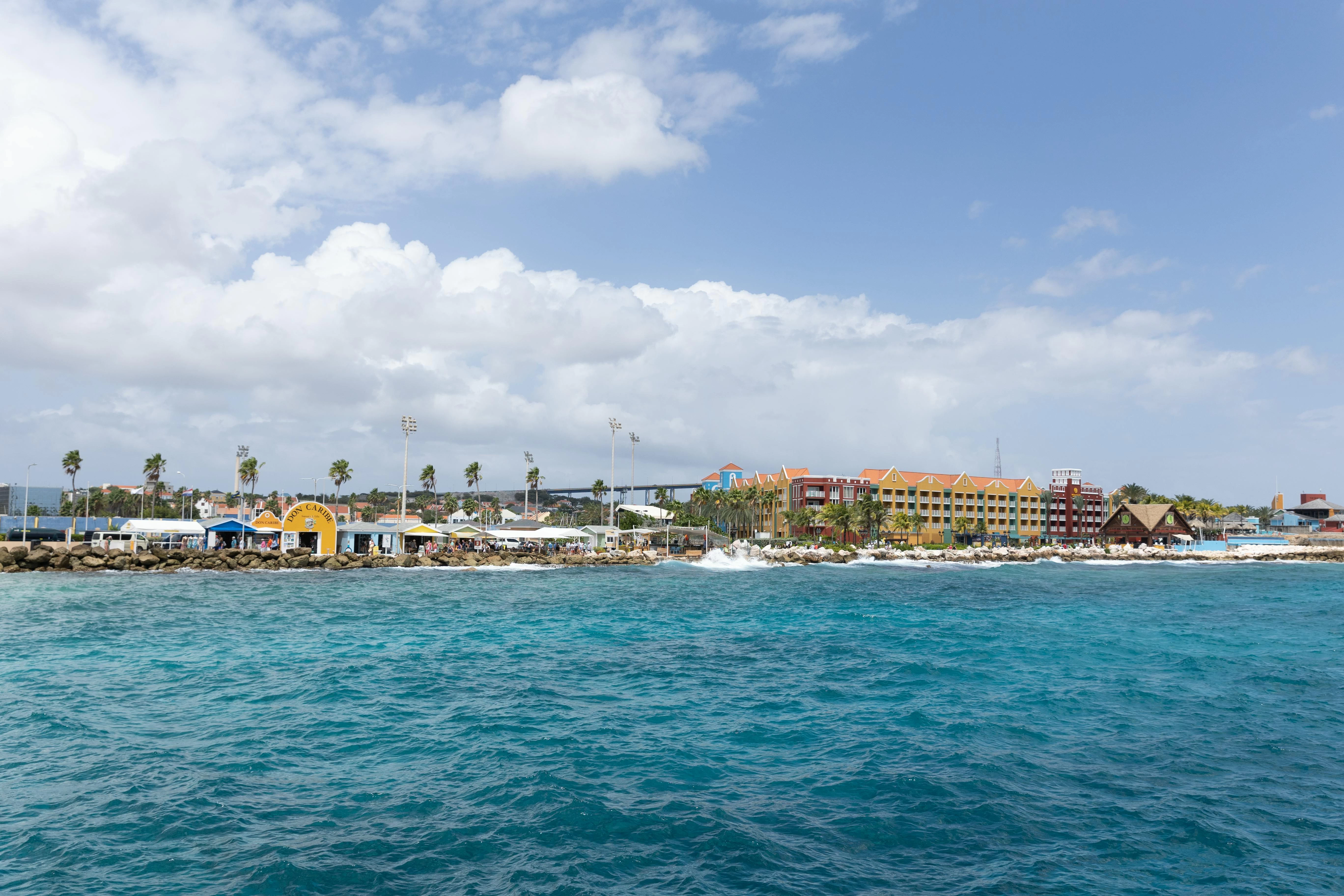
Foreigners can legally buy residential property in Aruba, and the island generally places few restrictions on overseas buyers compared with many Caribbean jurisdictions. However, buyers must understand the difference between freehold ownership and lease land, verify title records, account for transfer taxes and closing costs, conduct proper legal due diligence, and follow a structured purchasing process before completing a transaction. Understanding Aruba's property laws, ownership structures, and acquisition costs helps reduce risk and supports informed investment decisions.
Can Foreigners Buy Property in Aruba?
Yes. Non-residents and foreign nationals can purchase houses, condominiums, villas, land parcels, and investment properties in Aruba. The country has developed a reputation as one of the more accessible Caribbean real estate markets for international buyers because ownership rights are generally available to foreigners without requiring citizenship or permanent residency.
Property transactions are typically completed through a notary, who plays a central legal role in Aruba's real estate system. The notary prepares and authenticates the deed, verifies ownership records, conducts title checks, and registers the transfer with the appropriate authorities.
Although foreigners may purchase property, ownership of real estate does not automatically grant residency, citizenship, or immigration privileges. Buyers interested in relocating permanently should separately review Aruba's residency and immigration requirements.
What Rights Do Foreign Property Owners Have in Aruba?
Foreign owners generally enjoy rights similar to local purchasers regarding property ownership, resale, inheritance, rental use, and property transfer. Subject to local regulations, owners may use their property as a primary residence, vacation home, or income-producing asset.
Buyers should still verify zoning classifications, rental restrictions, homeowners' association rules, and any applicable tourism regulations before purchasing a property intended for short-term rentals.
Is Buying Property in Aruba Considered Safe?
Aruba's legal framework is based on Dutch civil law principles, providing a relatively structured property registration system. Real estate transactions are recorded through public registries, and title verification is an established part of the conveyancing process.
However, no real estate market is entirely risk-free. Buyers should independently verify ownership records, survey information, property boundaries, encumbrances, outstanding obligations, and development restrictions before committing funds.
| Factor | General Position |
|---|---|
| Foreign ownership permitted | Yes |
| Citizenship required | No |
| Residency required | No |
| Property registration system | Formal public registration process |
| Transaction completion | Typically through a civil-law notary |
| Automatic residency through purchase | No |
What Types of Property Ownership Exist in Aruba?
One of the most important aspects of buying a house in Aruba is understanding the distinction between freehold property and lease land. This difference affects ownership rights, long-term value, financing considerations, and future resale potential.
What Is Freehold Property in Aruba?
Freehold ownership, often considered the most complete form of ownership, gives the buyer ownership of both the building and the land beneath it. The owner generally retains rights indefinitely, subject to local laws, zoning requirements, taxes, and applicable regulations.
Many international buyers prefer freehold properties because they provide long-term control and avoid future lease renewal considerations.
Key Characteristics of Freehold Ownership
- Ownership of land and structures.
- No government land lease expiration.
- Potentially stronger long-term resale appeal.
- Often preferred by retirement and second-home buyers.
- May command higher purchase prices compared with lease land properties.
What Is Lease Land in Aruba?
Lease land, commonly known as government lease land, involves ownership of the structure while the land itself is leased from the government for a specified period. The buyer acquires rights to use the land under lease terms rather than owning the land outright.
Many residential properties in Aruba are built on lease land. Buyers should carefully review lease duration, renewal provisions, annual fees, transfer requirements, and future obligations before proceeding.
Key Characteristics of Lease Land
- Government retains ownership of the underlying land.
- Buyer obtains lease rights for a defined term.
- Lease-related fees may apply.
- Renewal conditions should be reviewed carefully.
- Resale value may be influenced by remaining lease duration.
How Can Buyers Determine Whether a Property Is Freehold or Lease Land?
The property's legal status should be verified during due diligence through official records and documentation reviewed by the notary. Buyers should never assume ownership type based solely on marketing materials, listing descriptions, or verbal representations.
The purchase agreement, title documents, and registry information should clearly identify whether the property is freehold or subject to lease land arrangements.
| Feature | Freehold | Lease Land |
|---|---|---|
| Land ownership | Owned by buyer | Leased from government |
| Ownership duration | Indefinite | Subject to lease term |
| Renewal considerations | None | May apply |
| Long-term certainty | Generally higher | Depends on lease conditions |
| Typical buyer preference | Strong among international buyers | Can appeal due to lower entry cost |
Why Do Buyers Invest in Aruba Real Estate?
Buyers are attracted to Aruba for a combination of lifestyle benefits, tourism demand, relative political stability, and a real estate market that remains accessible to foreign purchasers. The island's international reputation, established infrastructure, and year-round tourism activity make it a destination frequently considered by second-home buyers and property investors.
What Makes Aruba Attractive to International Homebuyers?
Aruba offers a well-developed tourism sector, modern amenities, international air connectivity, and a climate that experiences less hurricane-related disruption than many other Caribbean destinations. These factors contribute to demand from vacation-home purchasers and retirees.
The island also benefits from strong international recognition, particularly among buyers from North America, Europe, and Latin America seeking a Caribbean property with established legal and financial systems.
Is Aruba Real Estate Suitable for Investment?
Investment suitability depends on property type, location, acquisition cost, rental strategy, financing structure, and market conditions. Some investors focus on vacation rentals in tourist-oriented areas, while others pursue long-term residential rentals or capital preservation through ownership of desirable coastal properties.
As with any property market, investors should evaluate projected rental income, operating expenses, maintenance costs, occupancy assumptions, taxation considerations, and local regulations rather than relying solely on market appreciation expectations.
Which Areas Are Commonly Considered by Buyers?
Several regions consistently attract attention from local and international purchasers.
- Palm Beach: Known for resorts, nightlife, beachfront amenities, and tourism activity.
- Eagle Beach: Popular for residential and vacation properties near one of Aruba's best-known beaches.
- Noord: A frequently sought-after residential area with strong demand among foreign buyers.
- Oranjestad: The capital city offers urban conveniences, commercial activity, and residential opportunities.
- Savaneta: Often considered by buyers seeking a quieter residential environment.
What Factors Influence Property Values in Aruba?
Property values are influenced by location, proximity to beaches, tourism demand, infrastructure access, neighborhood development, property condition, ownership type, available inventory, and broader economic conditions.
Homes within established tourism corridors or near major beaches often command higher prices than comparable properties located farther inland. Waterfront and ocean-view properties typically occupy premium market segments due to limited supply.
Buyers should analyze comparable sales, local market trends, maintenance requirements, insurance costs, and future development plans before determining fair market value.
What Is the Step-by-Step Process for Buying a House in Aruba?
Buying a house in Aruba generally follows a structured legal process involving property selection, negotiations, due diligence, contract preparation, notarial review, and registration of ownership. While transaction timelines vary, most purchases can be completed within several weeks to a few months depending on financing, documentation, and title verification requirements.
Step 1: Define Your Budget and Ownership Goals
Before viewing properties, buyers should determine whether the purchase is intended for personal use, retirement, vacation purposes, rental income, or long-term investment. The intended use affects location selection, financing needs, expected expenses, and legal considerations.
Budget calculations should include not only the purchase price but also closing costs, taxes, insurance, maintenance, utilities, and potential homeowners' association fees.
Step 2: Identify Suitable Properties
Buyers typically work with local real estate professionals to identify properties that match their objectives. During this stage, it is important to confirm:
- Ownership type (freehold or lease land).
- Property boundaries.
- Zoning classification.
- Rental restrictions.
- Building permits and improvements.
- Association obligations.
Step 3: Submit an Offer
Once a suitable property is identified, the buyer submits an offer outlining the proposed purchase price and key terms. Negotiations may involve price adjustments, contingencies, closing dates, furnishings, repairs, or financing conditions.
Step 4: Sign a Purchase Agreement
After agreement on terms, the parties sign a purchase contract. The agreement typically identifies:
- Purchase price.
- Buyer and seller information.
- Property description.
- Contingencies.
- Closing requirements.
- Expected completion date.
Buyers should review all contractual provisions carefully before signing.
Step 5: Conduct Due Diligence
This stage is critical. Buyers and their advisors verify legal ownership, title status, encumbrances, liens, easements, lease land obligations (if applicable), and regulatory compliance.
Any issues discovered during due diligence should be resolved before proceeding to closing.
Step 6: Notarial Review and Deed Preparation
The notary performs legal verification and prepares the transfer deed. The notary's role includes reviewing title records, confirming seller ownership rights, and ensuring the transaction meets legal requirements.
Step 7: Transfer of Ownership
Ownership is formally transferred when the deed is executed before the notary and registered with the appropriate public records authority. Registration provides legal recognition of the new owner's rights.
| Stage | Primary Activity |
|---|---|
| Property Search | Market research and property selection |
| Offer Stage | Negotiation and price agreement |
| Contract Stage | Execution of purchase agreement |
| Due Diligence | Title and legal verification |
| Notarial Process | Deed preparation and review |
| Closing | Transfer and registration |
What Are the Costs and Taxes When Buying Property in Aruba?
Property buyers in Aruba should budget beyond the purchase price. Total acquisition costs often include transfer taxes, notary fees, registration expenses, legal services, inspections, financing-related charges, and ongoing ownership costs.
What Upfront Costs Should Buyers Expect?
The exact amount varies by transaction, but buyers commonly encounter several categories of closing expenses.
| Cost Category | Purpose |
|---|---|
| Transfer Tax | Government tax on ownership transfer |
| Notary Fees | Preparation and execution of legal documents |
| Registration Fees | Official property registration costs |
| Legal Expenses | Independent legal review when retained |
| Property Inspection | Condition assessment |
| Financing Fees | Mortgage-related costs if applicable |
Tax rates and government charges can change over time. Buyers should verify current rates directly with qualified local professionals before finalizing budgets.
What Ongoing Ownership Costs Exist?
Owning property in Aruba typically involves recurring expenses that should be considered when evaluating affordability and investment returns.
- Property taxes and government charges.
- Insurance premiums.
- Utilities.
- Maintenance and repairs.
- Homeowners' association fees.
- Property management expenses.
- Lease land obligations where applicable.
How Much Should Buyers Budget Beyond the Purchase Price?
A prudent buyer establishes a contingency reserve in addition to expected closing costs. Unexpected repair needs, insurance requirements, legal reviews, furnishing expenses, and maintenance obligations can increase the total acquisition budget.
International buyers should also account for currency exchange considerations, banking fees, and cross-border fund transfer costs.
Can Foreigners Get a Mortgage in Aruba?
Yes, some foreign buyers may qualify for mortgage financing in Aruba, although eligibility requirements are often more stringent than those applied to local residents. Lending policies vary significantly among financial institutions.
What Factors Do Lenders Evaluate?
Mortgage providers commonly review:
- Income stability.
- Credit history.
- Debt obligations.
- Property valuation.
- Down payment amount.
- Residency status.
- Employment documentation.
International buyers should expect detailed documentation requirements and potentially higher down payment expectations compared with domestic borrowers.
Should Buyers Arrange Financing Before Making an Offer?
Obtaining preliminary financing information before negotiations can strengthen purchasing decisions and reduce delays. Buyers who understand their borrowing capacity are often better positioned to negotiate confidently and avoid financing-related complications later in the transaction.
What Legal Checks Should Buyers Perform?
Legal due diligence is one of the most important safeguards available to a property buyer. Even in well-established markets, buyers should independently verify legal and physical aspects of the property.
Essential Due Diligence Checklist
| Review Item | Reason for Review |
|---|---|
| Title Verification | Confirm legal ownership |
| Liens and Encumbrances | Identify legal claims against property |
| Survey Review | Confirm boundaries and dimensions |
| Zoning Status | Verify permitted property uses |
| Building Permits | Confirm legal improvements |
| Lease Land Terms | Understand obligations and duration |
| Association Rules | Review owner restrictions and fees |
Why Is Property Inspection Important?
A professional inspection helps identify structural defects, roofing issues, electrical concerns, plumbing problems, water damage, and deferred maintenance. Inspection findings may influence negotiations or future budgeting decisions.
Even newly renovated homes should be independently inspected before closing.
Common Mistakes Buyers Make in Aruba
Many purchasing problems arise not from the market itself but from inadequate preparation and insufficient due diligence.
Most Frequent Buyer Errors
- Failing to understand the difference between freehold and lease land.
- Underestimating closing costs.
- Skipping professional inspections.
- Ignoring homeowners' association obligations.
- Assuming short-term rentals are unrestricted.
- Failing to verify title and legal records.
- Not budgeting for maintenance and insurance.
- Making decisions based solely on projected rental income.
Buyers who approach the process systematically, verify all documentation, and seek qualified professional guidance are generally better positioned to avoid costly mistakes.
What Should Investors Know Before Buying Property in Aruba?
Aruba attracts real estate investors because of its established tourism sector, international appeal, and relatively accessible ownership rules for foreign buyers. However, investment success depends on careful analysis rather than assumptions about appreciation or rental performance.
How Should Investors Evaluate Rental Potential?
Investors should analyze actual market conditions in the property's target area. Factors such as location, seasonal demand, property type, amenities, management costs, and local regulations can significantly affect rental income.
Short-term vacation rentals may generate higher gross revenue in some locations, but they can also involve greater operating expenses, marketing costs, management fees, and occupancy fluctuations.
What Operating Costs Affect Investment Returns?
Property ownership expenses can materially impact net returns. Investors should estimate ongoing costs before purchasing.
| Expense Category | Potential Impact |
|---|---|
| Insurance | Recurring annual expense |
| Property Taxes | Ongoing ownership obligation |
| Maintenance | Repairs and preventative upkeep |
| Property Management | Administrative and operational support |
| Utilities | Monthly operating cost |
| Association Fees | Applicable to certain developments |
Is Aruba Better for Lifestyle Buyers or Investors?
Aruba serves both groups. Some buyers prioritize personal enjoyment, retirement planning, or second-home ownership, while others focus on rental income and portfolio diversification. The best purchasing strategy depends on the buyer's objectives, investment horizon, risk tolerance, and expected property usage.
Does Buying Property in Aruba Grant Residency?
No. Purchasing real estate in Aruba does not automatically grant residency, permanent residence status, citizenship, or immigration rights.
Property ownership and immigration status are separate legal matters. Individuals who wish to live in Aruba long-term should review the applicable residency pathways and immigration requirements independently of their real estate purchase.
Can Property Ownership Support Relocation Plans?
Owning a home can provide accommodation and establish a local presence, but buyers should not assume that a property purchase alone creates a right to reside indefinitely on the island.
Immigration rules may change over time, and requirements differ depending on nationality, purpose of stay, income sources, and individual circumstances.
Key Takeaways
- Foreign Ownership Is Permitted: Non-residents can legally buy residential property in Aruba without obtaining citizenship or residency.
- Ownership Structure Matters: Buyers should clearly understand whether a property is freehold or lease land before committing to a purchase.
- Due Diligence Is Essential: Title verification, zoning review, inspections, and legal checks help reduce transactional risk.
- Budget Beyond the Purchase Price: Transfer taxes, notary fees, registration costs, insurance, maintenance, and other expenses should be included in acquisition planning.
- Notaries Play a Central Role: Property transfers are typically completed through a notary who verifies legal documentation and registers ownership.
- Investment Analysis Should Be Realistic: Rental income projections, operating expenses, occupancy assumptions, and regulatory requirements should be carefully evaluated.
- Property Ownership Does Not Grant Residency: Immigration eligibility is governed by separate legal requirements.
Frequently Asked Questions
Can Americans buy property in Aruba?
Yes. U.S. citizens can purchase houses, condominiums, villas, and other types of real estate in Aruba, subject to standard legal procedures and transaction requirements.
Can Canadians buy a house in Aruba?
Yes. Canadian buyers generally have access to the Aruba property market under the same foreign ownership framework available to other international purchasers.
What is the difference between freehold and lease land in Aruba?
Freehold ownership includes both the land and improvements. Lease land allows ownership of the building while the land itself is leased from the government under specified terms.
Do I need residency to buy property in Aruba?
No. Residency is not generally required to purchase residential real estate in Aruba.
Who handles property transfers in Aruba?
A civil-law notary typically prepares the deed, verifies legal requirements, and registers the transfer of ownership.
Should I get a property inspection before buying?
Yes. An independent inspection can identify structural, mechanical, electrical, plumbing, or maintenance issues before closing.
Can foreign buyers obtain financing in Aruba?
Some foreign buyers may qualify for mortgage financing, although eligibility requirements vary by lender and borrower profile.
Does buying property in Aruba guarantee rental income?
No. Rental performance depends on market conditions, property quality, location, management effectiveness, competition, and demand levels.
References
- Government of Aruba publications relating to land administration, property registration, and real estate ownership.
- Aruba notarial and conveyancing procedures governing property transfers.
- Aruba land registry and cadastral documentation resources.
- Official information from Aruba immigration and residency authorities.
- Local financial institutions providing mortgage and property financing information.
- Professional real estate and legal guidance published by licensed Aruba property practitioners.
- Property transaction regulations and publicly available legal resources applicable to real estate ownership in Aruba.