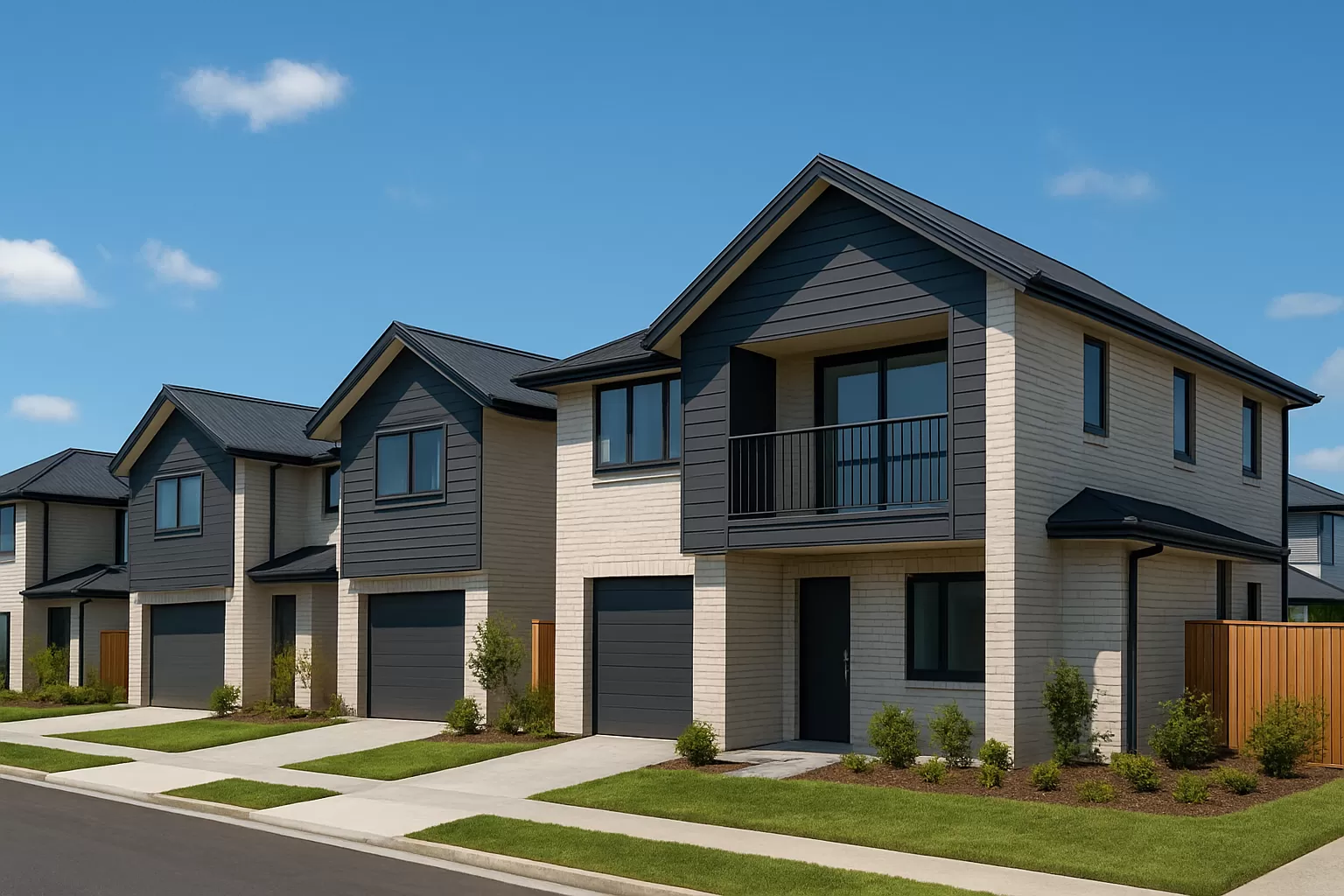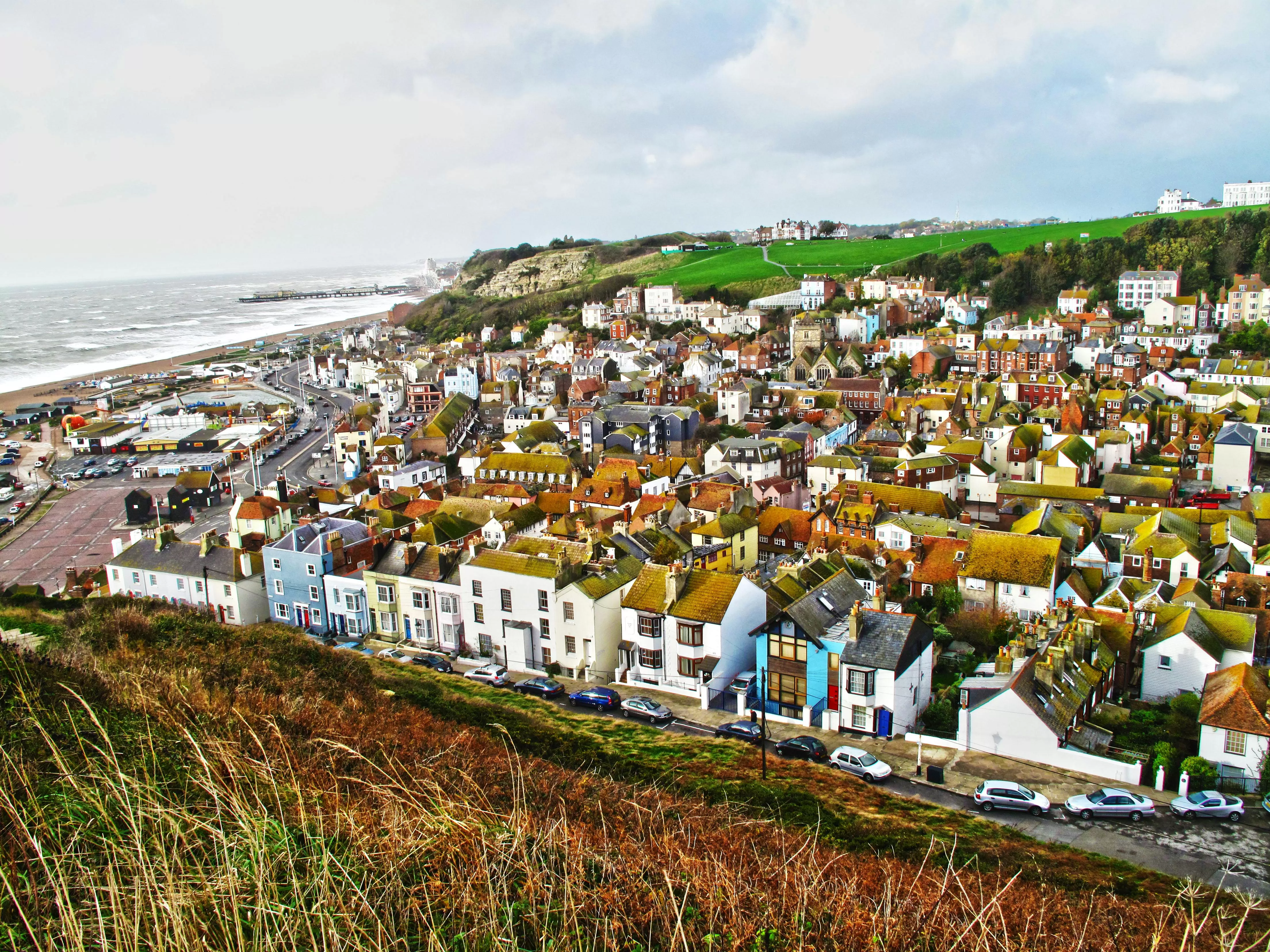
For buyers and investors seeking the cheapest places to buy a house in Dorset, the most affordable areas are typically found in towns such as Weymouth, Portland, and parts of Bournemouth and Poole outskirts, where property prices remain lower than the Dorset average while still offering rental demand. These locations provide a balance between entry-level pricing, tenant appeal, and long-term growth potential, making them attractive for first-time buyers and rental income investors alike.
Why Dorset Still Offers Affordable Property Opportunities
Dorset is widely perceived as an expensive county due to its coastal appeal, retirement demand, and strong tourism economy. However, affordability varies significantly by micro-location. Buyers who move beyond prime hotspots can still find competitively priced properties with solid rental potential.
The key reason affordability persists in parts of Dorset is uneven demand distribution. Premium areas such as Sandbanks and central Bournemouth attract high-value buyers, pushing prices upward. Meanwhile, secondary towns, coastal working communities, and regeneration zones remain more accessible.
From an investment perspective, lower entry prices are only part of the equation. Investors should evaluate:
- Local employment drivers and economic stability
- Year-round rental demand versus seasonal tourism
- Transport connectivity to larger employment hubs
- Regeneration plans and infrastructure improvements
In Dorset, affordable markets tend to align with areas that are transitioning—locations that historically served industrial, military, or tourism-based economies and are now evolving. These shifts often create pricing gaps that investors can leverage.
For first-time buyers, these same areas provide an accessible entry point into a county that would otherwise be priced out of reach. For landlords, they offer the potential for higher yields relative to purchase price, particularly in towns with consistent tenant demand.
Where Are the Cheapest Places to Buy Property in Dorset?
The cheapest areas in Dorset are typically concentrated in coastal towns with mixed economic profiles and in inland communities slightly removed from major commuter routes. These locations offer lower property prices due to factors such as local income levels, housing stock type, and historical demand patterns.
The most consistently identified affordable areas include:
- Weymouth: One of the most affordable coastal towns with strong rental demand driven by tourism and local employment.
- Portland: Even cheaper than Weymouth, with lower entry prices but improving infrastructure and investor interest.
- Boscombe (Bournemouth): A regeneration area with lower prices compared to central Bournemouth.
- Poole outskirts: Certain suburban pockets offer lower pricing than central Poole while maintaining access to employment hubs.
- Bridport (select areas): Some neighborhoods remain affordable compared to nearby coastal villages.
Each of these areas has distinct characteristics that influence both purchase affordability and rental performance. The cheapest location is not always the most profitable. Investors must balance:
- Purchase price versus achievable rental income
- Vacancy risk and tenant demand stability
- Long-term capital growth potential
For example, a lower-priced property in a weak rental market may underperform compared to a slightly more expensive property in a high-demand area. This is particularly relevant in Dorset, where tourism and seasonal demand can distort rental yields.
Understanding these nuances is essential before selecting a location purely based on price.
Weymouth and Portland: Entry-Level Coastal Investment Zones
Weymouth and Portland consistently rank among the cheapest places to buy houses in Dorset, particularly for buyers targeting coastal property without premium pricing. These areas combine relatively low purchase costs with steady rental demand, making them a primary focus for both first-time buyers and investors.
Why Weymouth Is Affordable
Weymouth offers lower property prices compared to other seaside towns in Dorset due to its broader housing stock and local economic structure. Unlike high-end coastal markets, it includes a significant number of terraced homes, flats, and ex-local authority properties, which lowers the average price point.
Despite affordability, Weymouth benefits from:
- A strong tourism sector supporting short-term rental demand
- Local employment in retail, hospitality, and services
- Established infrastructure and transport connections
For investors, this creates dual rental strategies:
- Long-term lets targeting local residents
- Short-term holiday lets during peak seasons
This flexibility can improve occupancy rates across the year when managed effectively.
Why Portland Offers Even Lower Entry Prices
Portland is typically cheaper than Weymouth due to its geographic separation and more limited economic base. Connected by a causeway, it has historically been less accessible, which has suppressed demand and property values.
However, this lower pricing creates opportunities for buyers willing to accept slightly reduced liquidity and slower resale timelines. Key characteristics include:
- Significantly lower average purchase prices
- Growing interest from investors seeking yield
- Potential upside from regeneration and tourism spillover
Portland is particularly suited for investors focused on yield rather than rapid capital growth. Rental demand exists but is more localised compared to Weymouth, requiring careful tenant targeting.
Rental Income Potential in These Areas
Both Weymouth and Portland offer rental income potential, but performance depends heavily on strategy. Key considerations include:
- Property type (flats vs houses vs HMOs)
- Location within the town (proximity to seafront, transport, amenities)
- Rental model (short-term vs long-term)
In Weymouth, proximity to the beach and town centre can significantly increase short-term rental income. In Portland, consistent long-term tenants often provide more stable returns.
Investors should also factor in operational costs such as maintenance, licensing (if applicable), and property management, which can vary depending on rental strategy.
For first-time buyers, these areas provide a realistic path onto the property ladder in Dorset while maintaining the lifestyle appeal of coastal living—something rarely achievable in higher-priced parts of the county.
Boscombe (Bournemouth): Regeneration and Yield Potential
Boscombe stands out as one of the cheapest areas within the wider Bournemouth market, offering lower entry prices compared to central Bournemouth while maintaining strong rental demand. This pricing gap exists largely due to historical underinvestment and socio-economic challenges, but ongoing regeneration efforts are reshaping its profile.
For buyers, Boscombe provides access to a coastal town environment at a fraction of the cost of nearby premium locations. For investors, it offers the potential for higher rental yields due to relatively low purchase prices combined with consistent tenant demand.
Why Prices Are Lower in Boscombe
Property values in Boscombe have traditionally lagged behind Bournemouth due to factors such as older housing stock, higher density living, and a concentration of smaller flats. However, these same factors create opportunities for entry-level buyers and landlords.
- Higher proportion of flats and converted buildings
- Historically lower demand from owner-occupiers
- Perception challenges compared to central Bournemouth
Despite this, Boscombe benefits from proximity to the beach, transport links, and Bournemouth town centre, which supports ongoing rental demand.
Investment Outlook
Boscombe is best suited for investors targeting yield rather than immediate capital growth. However, regeneration initiatives and increased buyer interest may gradually improve long-term price performance.
Rental demand is supported by:
- Young professionals and service workers
- Students and short-term tenants
- Seasonal tourism spillover
This mix creates flexibility in rental strategy, particularly for smaller units such as one-bedroom flats and studios.
Affordable Pockets in Poole and Surrounding Areas
Poole is generally considered an expensive market, particularly in high-demand areas near the harbour and Sandbanks. However, affordability can still be found in the outskirts and suburban zones where prices are significantly lower while maintaining access to employment and infrastructure.
These areas appeal to both buyers and renters who are priced out of central locations but still require proximity to Poole and Bournemouth.
Where Affordability Exists
Lower-priced properties are typically located in:
- Suburban residential estates
- Areas further from the coastline
- Locations with higher housing density
These neighbourhoods often include a mix of terraced houses, semi-detached homes, and purpose-built flats, which lowers the overall entry price compared to premium waterfront properties.
Why Investors Consider These Areas
Although yields may not be as high as in some lower-cost towns, Poole outskirts offer a more stable rental market driven by:
- Commuters working in Poole and Bournemouth
- Families seeking more affordable housing options
- Long-term tenants with stable income profiles
This stability reduces vacancy risk and can provide predictable income, which is particularly attractive for risk-averse investors.
Bridport and Inland Dorset: Lower Competition Markets
Bridport and the surrounding inland areas represent a different type of affordability within Dorset. While not always the absolute cheapest, these locations offer lower competition compared to coastal hotspots, which can create opportunities for buyers who prioritise value and long-term stability.
Inland markets often lack the tourism-driven demand seen in coastal towns, but they compensate with more consistent year-round occupancy and less price volatility.
Characteristics of Inland Affordable Areas
- Lower reliance on seasonal tourism
- Stronger local community and long-term tenancy patterns
- Reduced competition from second-home buyers
These factors can make inland Dorset particularly attractive for landlords focused on steady rental income rather than short-term gains.
Buyer Considerations
For owner-occupiers, inland areas offer better value per square foot and a quieter lifestyle. However, buyers must consider access to employment, transport links, and amenities, as these can vary significantly between towns.
For investors, tenant demand is typically driven by local employment rather than tourism, which requires careful analysis of the local economy before purchasing.
What It Really Costs to Buy Cheap Property in Dorset
The purchase price is only one component of the total cost of buying property in Dorset. Buyers and investors must account for additional expenses that can significantly impact overall affordability and return on investment.
Key cost components include:
- Stamp Duty Land Tax (SDLT): Varies based on purchase price and buyer status
- Legal fees: Conveyancing costs for property transfer
- Survey costs: Essential for identifying structural or maintenance issues
- Mortgage fees: Arrangement and valuation fees
- Renovation costs: Particularly relevant in lower-priced properties
In cheaper areas, properties may require refurbishment, which can increase the true cost of acquisition. However, this also creates an opportunity to add value and improve rental returns if managed correctly.
Investors should also consider ongoing costs such as maintenance, insurance, and property management, especially if operating short-term rentals or managing multiple units.
Rental Strategies That Work in Dorset’s Affordable Areas
Choosing the right rental strategy is critical to maximising returns in Dorset’s cheapest property markets. Different areas support different approaches, and selecting the wrong strategy can reduce profitability.
Long-Term Letting
Long-term rentals provide stable income and are particularly effective in inland areas and suburban parts of Poole. This strategy minimises vacancy risk and management complexity.
Short-Term Holiday Lets
Coastal towns such as Weymouth benefit from strong tourism demand, making short-term letting a viable option. However, this approach requires active management and may be subject to local regulations.
Hybrid Approach
Some investors combine both strategies, using short-term lets during peak seasons and switching to longer-term tenants in off-peak periods. This approach can optimise occupancy but requires careful planning.
The choice of strategy should align with:
- Property location
- Target tenant demographic
- Investor risk tolerance
Common Mistakes Buyers and Investors Make
Buying in the cheapest areas of Dorset can be financially rewarding, but it also carries risks. Many buyers and investors focus too heavily on price without fully understanding the local market dynamics.
The most common mistakes include:
- Buying solely based on low price: Ignoring rental demand or resale potential
- Underestimating renovation costs: Particularly in older properties
- Misjudging rental demand: Especially in seasonal markets
- Overlooking local regulations: Including licensing for certain rental types
- Failing to research micro-locations: Street-level differences can significantly impact value
Successful buyers and investors approach these markets with a clear strategy, detailed research, and realistic financial planning. This reduces risk and improves the likelihood of achieving both income and long-term value growth.
How to Choose the Right Cheap Area in Dorset
The cheapest place to buy a house in Dorset is not automatically the best choice for every buyer or investor. The right location depends on your objective—whether that is capital growth, rental yield, or long-term stability. A structured evaluation approach helps avoid costly missteps.
Start by defining your primary goal:
- First-time buyers: Focus on affordability, livability, and future resale demand
- Buy-to-let investors: Prioritize rental yield, tenant demand, and operating costs
- Long-term investors: Look for regeneration signals and infrastructure investment
Key Factors to Evaluate
Every affordable Dorset location should be assessed against a consistent set of criteria to determine whether the lower price represents value or hidden risk.
- Rental demand: Check vacancy rates and tenant profiles
- Local economy: Identify employment drivers and stability
- Transport links: Access to larger towns increases demand
- Property condition: Older homes may require significant investment
- Area trajectory: Signs of regeneration or decline
In Dorset, micro-location matters. Two streets within the same town can have very different demand levels, tenant quality, and long-term price performance. On-the-ground research or local agent insight is often necessary to validate assumptions.
Balancing Price and Profitability
The most effective strategy is to avoid chasing the absolute cheapest property and instead target the best value. This typically means paying slightly more for a property in a stronger rental area, where consistent income and lower vacancy risk offset the higher purchase price.
For example, a modestly priced property in Weymouth with strong year-round demand may outperform a cheaper property in a weaker market with inconsistent occupancy.
Future Property Market Outlook for Affordable Dorset Areas
Affordable areas in Dorset are influenced by broader economic trends, local development plans, and shifting buyer demographics. Understanding these factors helps buyers and investors position themselves for long-term value rather than short-term gains.
Key Drivers of Future Growth
- Regeneration projects: Improvements in Boscombe and surrounding areas can enhance desirability
- Infrastructure investment: Better transport links increase accessibility and demand
- Remote working trends: Expanding buyer interest in coastal and semi-rural locations
- Housing supply constraints: Limited new builds in Dorset support long-term price stability
These factors suggest that today’s affordable areas may experience gradual demand growth, particularly where lifestyle appeal aligns with economic opportunity.
Risks to Monitor
While affordability creates opportunity, it also introduces risk. Buyers should remain cautious of:
- Overreliance on seasonal tourism markets
- Areas with limited employment diversification
- Properties requiring extensive refurbishment
Careful due diligence and realistic financial planning remain essential, particularly in lower-priced markets where margins can be tighter.
Frequently Asked Questions
What is the cheapest town to buy a house in Dorset?
Weymouth and Portland are generally among the cheapest towns in Dorset. Portland often offers the lowest entry prices, while Weymouth provides a better balance of affordability and rental demand.
Is Dorset a good place for property investment?
Dorset can be a strong investment location if you target the right areas. Coastal towns and regeneration zones offer rental demand and long-term growth potential, but success depends on location selection and strategy.
Which areas in Dorset have the highest rental yields?
Areas like Boscombe, Weymouth, and parts of Portland tend to offer higher rental yields due to lower purchase prices and steady tenant demand. However, yields vary based on property type and management approach.
Are cheap properties in Dorset a good investment?
Cheap properties can be a good investment if they are located in areas with consistent rental demand and future growth potential. Buyers should avoid focusing solely on price and instead evaluate overall value and risk.
Is it better to invest in coastal or inland Dorset?
Coastal areas offer stronger short-term rental opportunities, while inland areas provide more stable long-term tenancy. The best choice depends on your investment strategy and risk tolerance.
Key Takeaways
- Affordability varies widely: Dorset includes both premium and budget-friendly markets, often within short distances.
- Weymouth and Portland lead on price: These areas consistently offer the lowest entry points for buyers and investors.
- Regeneration areas offer potential: Locations like Boscombe provide opportunities for higher yields and long-term growth.
- Strategy matters more than price: Rental approach and tenant demand are critical to investment success.
- Due diligence is essential: Evaluating local demand, costs, and risks ensures better long-term outcomes.
References
- UK Land Registry – Property Price Data
- Office for National Statistics (ONS) – Housing and Rental Market Reports
- Local Authority Planning and Regeneration Reports (Dorset Council, Bournemouth Christchurch and Poole Council)
- Industry Property Market Analyses and Regional Reports