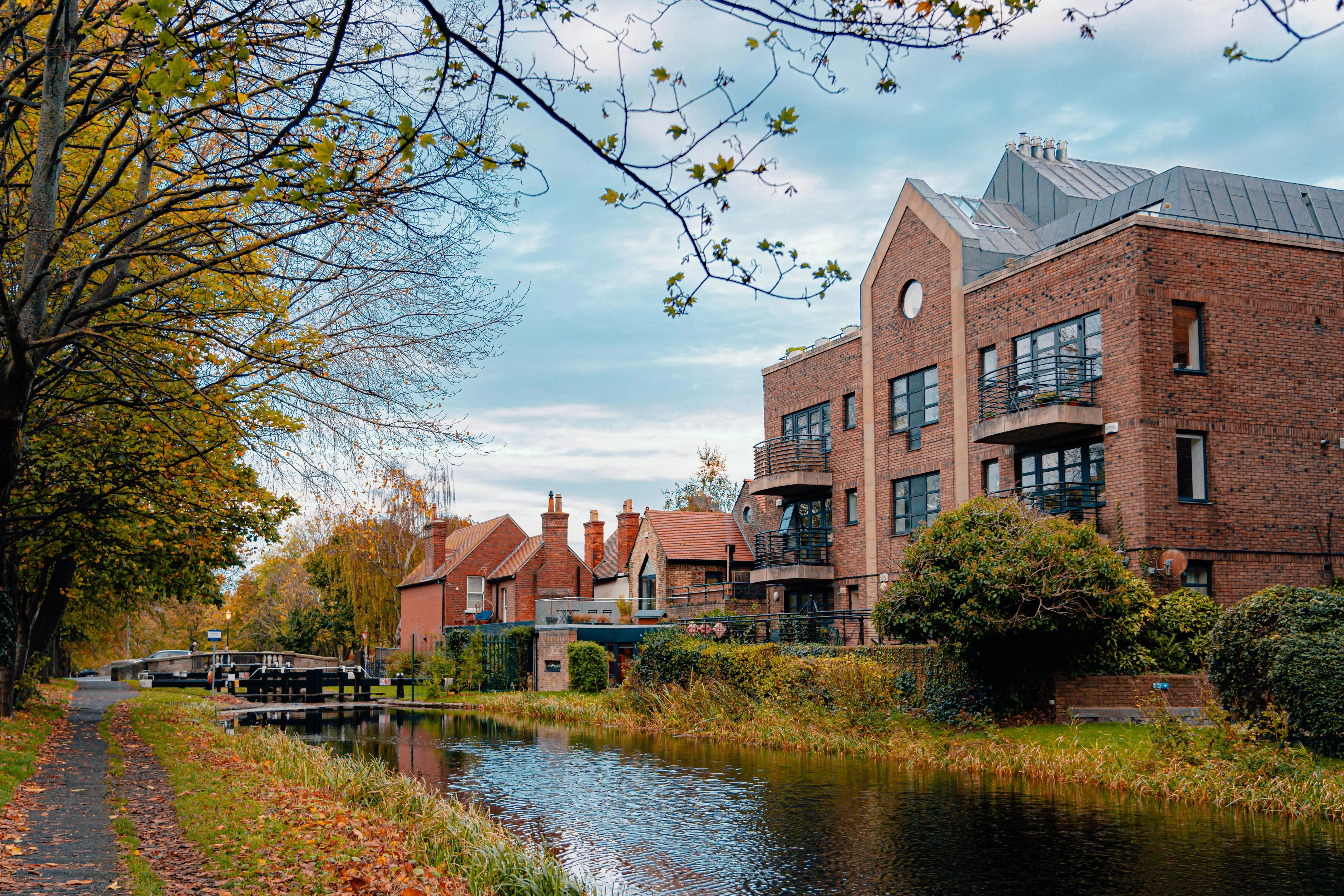
Birmingham remains one of the UK’s most accessible property markets, with entry-level house prices significantly below the national average and rental demand supported by a large student population, young professionals, and ongoing regeneration. The cheapest areas to buy a house in Birmingham are typically found in the city’s east, north, and select outer suburbs—where purchase prices can start from around £110,000–£160,000 for terraced homes, while still offering rental yields between 6% and 9% depending on micro-location and property condition.
What Are the Cheapest Areas to Buy in Birmingham?
The most affordable areas in Birmingham are concentrated in locations with older housing stock, lower average incomes, and historically limited demand, although several are now benefiting from regeneration and improved transport links, For buyers and investors, these areas offer low entry points with potential for both rental income and long-term capital growth.
Commonly cited affordable areas include Aston, Handsworth, Erdington, Kingstanding, and parts of Hodge Hill and Yardley. These neighborhoods consistently appear at the lower end of Birmingham’s price spectrum, especially for terraced housing and ex-council properties.
| Area | Typical Entry Price (Terraced) | Average Rental Yield | Investor Appeal |
|---|---|---|---|
| Aston | £120,000 – £150,000 | 7% – 9% | Strong student demand (near universities) |
| Handsworth | £130,000 – £160,000 | 6% – 8% | Established rental market |
| Erdington | £140,000 – £170,000 | 6% – 7.5% | Commuter-friendly with rail links |
| Kingstanding | £135,000 – £165,000 | 6% – 7% | Family tenant demand |
| Hodge Hill | £140,000 – £175,000 | 6% – 7.5% | Affordable suburban option |
These price ranges depend heavily on property condition. Refurbishment opportunities can be acquired below market value, particularly in auction or off-market deals, but require capital for upgrades to meet rental standards.
For first-time buyers, these locations provide a realistic path to ownership with lower deposit requirements. For investors, the same affordability translates into higher yield potential compared to premium postcodes like Edgbaston or Harborne, where capital values are higher but yields are compressed.
Why Are These Areas Cheaper Than Others?
Lower property prices in Birmingham are not random—they reflect a combination of economic, social, and structural factors. Understanding these drivers is essential before purchasing, as they directly affect both risk and long-term performance.
The primary reasons these areas remain affordable include:
1. Lower Household Income Levels
Property values correlate strongly with local earnings. Areas such as Aston and Handsworth historically have lower average incomes, which reduces buyer purchasing power and caps price growth. This creates affordability but can limit rapid capital appreciation.
2. Older Housing Stock
Many low-cost areas consist of Victorian or early 20th-century terraced housing. While structurally sound, these homes often require modernization, new wiring, insulation, kitchens, or bathrooms, which lowers upfront prices but increases total investment cost.
3. Perception and Demand Gaps
Market perception plays a significant role. Some neighborhoods carry reputational challenges related to crime rates, school performance, or historical underinvestment. Even where conditions are improving, prices may lag behind reality, creating opportunities for informed buyers.
4. Limited Owner-Occupier Demand
Areas with higher proportions of rental properties tend to see fewer owner-occupiers competing for homes. This reduces upward pressure on prices while maintaining strong rental demand—an ideal combination for yield-focused investors.
5. Regeneration Lag Effect
In several parts of Birmingham, regeneration is ongoing but not fully priced in. Infrastructure upgrades, transport improvements, and local development plans often take years to reflect in property values. Early entry into these markets can offer long-term upside if regeneration succeeds.
For buyers, these factors represent both opportunity and risk. Lower prices improve accessibility, but due diligence is critical, particularly around tenant demand, local amenities, and long-term area trajectory.
Which Cheap Areas Offer the Best Rental Yields?
The highest rental yields in Birmingham are typically found where purchase prices are low but rental demand remains consistent. This balance is strongest in areas close to employment hubs, universities, and transport corridors.
Aston consistently ranks among the top-performing areas for yield due to its proximity to Birmingham City University and the city centre. Multi-let properties (HMOs) in this area can significantly outperform standard single-let rentals, although they require licensing and management compliance.
Handsworth also delivers strong yields due to a stable tenant base and relatively low acquisition costs. It appeals to long-term tenants, including families and working professionals, which can reduce void periods.
Erdington presents a different profile—slightly higher entry prices but stronger tenant stability and commuter appeal due to rail connections into central Birmingham. This can result in more predictable income, even if headline yields are slightly lower than inner-city zones.
Key factors that directly influence rental yield in these areas include:
- Proximity to transport links: Rail and bus connectivity increases tenant demand.
- Property type: HMOs and multi-unit properties generally yield more than single lets.
- Tenant demographics: Students, young professionals, and low-to-mid income households drive consistent demand.
- Condition and compliance: Well-maintained properties command higher rents and lower vacancy rates.
Investors targeting yield should prioritize areas where rental demand is structural rather than speculative. Locations near universities, hospitals, and employment zones tend to perform more reliably across market cycles.
Price vs Yield Comparison Across Cheap Areas
Low purchase price does not automatically result in high returns. The relationship between acquisition cost, rental income, and ongoing expenses determines actual yield. Comparing Birmingham’s cheapest areas side-by-side helps identify where value is genuinely strong rather than simply inexpensive.
| Area | Avg Purchase Price | Avg Monthly Rent | Gross Yield | Risk Profile |
|---|---|---|---|---|
| Aston | £135,000 | £850 – £1,050 | 7.5% – 9% | Higher management (student turnover) |
| Handsworth | £145,000 | £800 – £950 | 6.5% – 8% | Moderate (stable tenants) |
| Erdington | £160,000 | £850 – £1,000 | 6% – 7.5% | Lower (commuter demand) |
| Kingstanding | £150,000 | £800 – £900 | 6% – 7% | Moderate |
| Hodge Hill | £165,000 | £900 – £1,050 | 6% – 7.5% | Moderate to low |
The highest yields are typically linked to higher involvement. For example, HMOs in Aston may deliver stronger returns but require licensing, compliance checks, and active tenant management. By contrast, single-family lets in Erdington may produce slightly lower yields but involve less operational complexity.
For investors balancing risk and return, a blended approach, combining one high-yield asset with one stable, lower-maintenance property, can provide more consistent long-term performance.
What Is the Total Cost of Buying a Cheap House in Birmingham?
The purchase price is only one part of the total investment. Buyers often underestimate the full cost of acquisition, especially in lower-priced areas where properties may require upgrades or compliance work.
A realistic cost breakdown includes:
| Cost Type | Estimated Range | Notes |
|---|---|---|
| Deposit (Buy-to-Let) | 20% – 25% | Higher for investment mortgages |
| Stamp Duty | Varies | Higher rates for additional properties |
| Legal Fees | £800 – £1,500 | Conveyancing and searches |
| Survey | £300 – £800 | Essential for older homes |
| Refurbishment | £5,000 – £25,000+ | Depends on property condition |
| Licensing (HMO) | £500 – £1,500 | Mandatory for multi-let properties |
In many cases, a “cheap” £130,000 property may require £10,000–£20,000 in upgrades before it is rental-ready. These costs should be factored into yield calculations, as they directly impact return on investment.
For first-time buyers, additional considerations include mortgage arrangement fees, valuation fees, and moving costs. Budgeting conservatively reduces the risk of financial strain after completion.
What Legal and Buying Steps Should You Follow?
Buying a property in Birmingham follows a structured legal process, but lower-cost properties, especially those sold via auction or requiring renovation—can introduce additional complexity.
The standard purchase process includes:
1. Mortgage Agreement in Principle
Before searching seriously, buyers should secure an agreement in principle to confirm borrowing capacity. This strengthens offers and speeds up transactions.
2. Property Search and Offer
Once a suitable property is identified, an offer is submitted through the estate agent. In competitive low-price segments, well-priced properties can receive multiple offers quickly.
3. Conveyancing and Searches
A solicitor conducts legal checks, including title verification, local authority searches, and environmental risks. This step is critical in older areas where issues such as subsidence or planning restrictions may arise.
4. Survey and Valuation
Surveys identify structural issues, while lender valuations confirm the property’s worth. Buyers should not rely solely on lender valuations when purchasing older or below-market properties.
5. Exchange and Completion
Contracts are exchanged once all checks are complete, followed by final payment and transfer of ownership. At this stage, the transaction becomes legally binding.
Investors purchasing HMOs or converting properties must also ensure compliance with:
- Local licensing requirements
- Fire safety regulations
- Minimum room size standards
- Planning permissions where applicable
Failure to meet these requirements can result in fines or inability to legally rent the property.
Common Mistakes Buyers and Investors Should Avoid
Low-cost property markets attract first-time investors, but mistakes at this level can significantly impact returns. The most common errors are not related to price—but to poor analysis and unrealistic assumptions.
Overestimating Rental Income
Assuming optimistic rent levels without verifying local comparables leads to inflated yield projections. Always base calculations on actual, recently let properties in the same street or postcode.
Underestimating Refurbishment Costs
Older homes frequently require more work than expected. Hidden issues such as damp, roofing problems, or outdated electrics can increase costs beyond initial estimates.
Ignoring Tenant Demand Dynamics
Not all cheap areas have equal demand. A low purchase price is irrelevant if properties remain vacant or attract unreliable tenants.
Neglecting Area-Specific Risks
Crime rates, school quality, and infrastructure influence long-term desirability. Ignoring these factors can limit both rental demand and resale potential.
Failing to Account for Ongoing Costs
Maintenance, letting fees, insurance, and void periods reduce net yield. Gross yield figures alone do not reflect actual profitability.
A disciplined approach, grounded in data, realistic assumptions, and local knowledge, reduces risk and improves long-term outcomes in Birmingham’s affordable housing segments.
Emerging Cheap Areas with Growth Potential
Beyond established low-cost neighborhoods, several Birmingham areas remain relatively affordable but show signs of future growth due to regeneration, infrastructure investment, and shifting demand patterns. These locations may not be the absolute cheapest today but can offer stronger medium-term capital appreciation.
Areas such as Smethwick (bordering Birmingham), Perry Barr, and parts of Selly Oak outskirts are gaining attention. Regeneration linked to transport upgrades, university expansion, and city spillover demand is gradually increasing buyer interest.
Perry Barr, in particular, has benefited from large-scale redevelopment, including improved public spaces and transport links. While prices have risen, entry points can still be lower than more established suburbs, leaving room for future growth.
Smethwick offers a hybrid profile—lower purchase prices combined with proximity to central Birmingham. Investors targeting affordability with location advantage often consider this area as a compromise between price and accessibility.
For buyers focused on long-term appreciation rather than immediate yield, these emerging areas can provide a more balanced investment profile compared to purely low-cost, high-yield zones.
What Strategy Works Best in Birmingham’s Low-Cost Market?
The optimal strategy depends on the investor’s priorities—whether that is maximizing yield, minimizing risk, or achieving long-term capital growth. Birmingham’s cheaper property segments support multiple strategies, but each requires a different approach to property selection and management.
High-Yield Strategy (Income Focus)
This approach targets areas like Aston and Handsworth, where low purchase prices and strong rental demand create higher gross yields. Investors often use HMOs or multi-let configurations to increase income, though this involves stricter regulations and active management.
Balanced Strategy (Yield + Stability)
Areas such as Erdington and Hodge Hill are suited for investors seeking consistent rental income with fewer operational challenges. Single-family lets dominate here, attracting longer-term tenants and reducing turnover costs.
Growth-Oriented Strategy (Capital Appreciation)
Emerging locations like Perry Barr and Smethwick align with a growth-focused approach. Investors may accept slightly lower yields in exchange for potential price increases driven by regeneration and infrastructure improvements.
Key decision factors when selecting a strategy include:
- Available capital and financing structure
- Risk tolerance and management capacity
- Time horizon (short-term income vs long-term growth)
- Regulatory compliance requirements
Successful investors typically align property type, tenant profile, and location with a clearly defined strategy rather than pursuing low price alone.
Frequently Asked Questions
What Is The Cheapest Area To Buy A House In Birmingham?
Aston is often considered one of the cheapest areas, with entry-level properties starting around £120,000. Handsworth and Kingstanding also offer relatively low purchase prices.
Is Birmingham Good For Buy-To-Let Investment?
Birmingham offers strong rental demand, relatively low property prices compared to other major UK cities, and yields that can exceed 6–8% in affordable areas, making it attractive for buy-to-let investors.
What Rental Yield Can I Expect In Birmingham?
Typical gross yields in cheaper areas range from 6% to 9%, depending on property type, location, and management approach.
Are Cheap Properties In Birmingham Risky?
Lower-cost properties can carry higher risks related to tenant quality, maintenance, and location factors. Proper due diligence and realistic budgeting help mitigate these risks.
Should I Invest In An HMO Or Single-Let Property?
HMOs can generate higher income but require licensing and active management. Single-let properties are simpler to manage and may offer more stable, long-term tenancies.
Key Takeaways
- Affordability: Birmingham offers entry-level property prices from around £120,000 in areas like Aston and Handsworth.
- Yield Potential: Rental yields in cheaper areas typically range between 6% and 9%, depending on strategy.
- Risk vs Return: Higher yields often require more management and come with increased operational complexity.
- Growth Opportunities: Emerging areas such as Perry Barr and Smethwick may offer future capital appreciation.
- Due Diligence: Accurate cost estimation, tenant demand analysis, and legal compliance are critical to success.
References
- UK House Price Index (HM Land Registry)
- Office for National Statistics (ONS) Housing Data
- Local Birmingham City Council Planning and Housing Reports
- Major UK Property Portals Market Listings and Rental Data