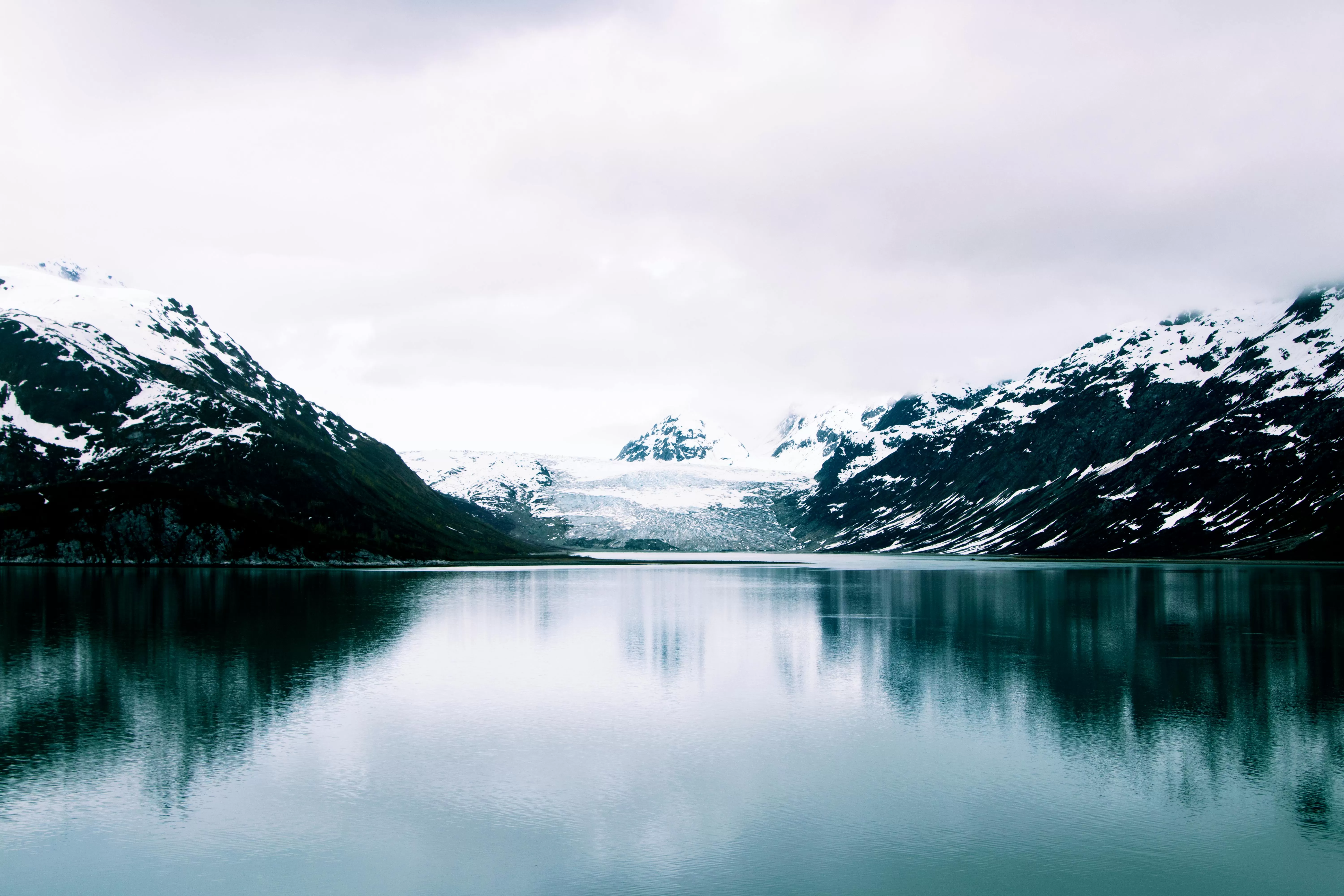
The cheapest places to buy a house in Alaska are typically smaller cities and remote communities such as Fairbanks, North Pole, Kenai, and parts of the Matanuska-Susitna Borough. These areas offer significantly lower home prices compared to Anchorage, often ranging from $150,000 to $300,000 depending on property type and condition. Buyers seeking affordability should focus on regions with lower demand, limited urban infrastructure, and higher inventory flexibility, while carefully evaluating costs like heating, transportation, and maintenance that can impact total ownership expenses.
Where Are The Cheapest Places To Buy A House In Alaska?
The cheapest places to buy a house in Alaska are located outside major urban centers, particularly in interior and smaller coastal regions where demand is lower and land availability is higher.
Fairbanks: Fairbanks is consistently one of the most affordable cities in Alaska. It offers a mix of single-family homes, cabins, and fixer-uppers at lower price points compared to Anchorage. The presence of a university and military base supports steady demand.
North Pole: Located near Fairbanks, North Pole provides even lower entry prices while maintaining access to essential services. It is popular among budget-conscious buyers seeking suburban-style living.
Kenai: Kenai Peninsula communities offer relatively affordable housing with access to fishing, tourism, and local employment. Prices are lower than Anchorage but higher than remote interior towns.
Matanuska-Susitna (Mat-Su) Borough: Areas such as Wasilla and Palmer provide more affordable alternatives to Anchorage while still offering commuting access. This region has seen steady growth due to its balance of cost and accessibility.
Kotzebue and Rural Areas: Some of the lowest prices in Alaska can be found in remote villages. However, these markets come with limited inventory, higher living costs, and logistical challenges.
| Location | Typical Price Range | Affordability Level |
|---|---|---|
| Fairbanks | $180,000 – $300,000 | High |
| North Pole | $170,000 – $280,000 | High |
| Kenai | $200,000 – $320,000 | Moderate |
| Wasilla/Palmer | $220,000 – $350,000 | Moderate |
| Remote Villages | $100,000 – $250,000 | Very High |
These price ranges vary based on property condition, accessibility, and local demand, but they provide a clear starting point for buyers seeking affordability.
Why Are Some Areas In Alaska More Affordable Than Others?
Homes in certain parts of Alaska are more affordable due to lower population density, limited infrastructure, and higher living costs that reduce overall demand.
Geographic Isolation: Many affordable areas are located far from major economic centers. Limited road access and reliance on air or sea transport reduce buyer interest.
Climate and Maintenance Costs: Harsh winters and extreme temperatures increase the cost of homeownership. Heating, insulation, and maintenance requirements can deter buyers, lowering prices.
Limited Job Markets: Smaller towns often have fewer employment opportunities, which directly impacts housing demand and pricing.
Supply Dynamics: In some regions, land availability is not a constraint, which helps keep property prices relatively low compared to densely populated cities.
These factors combine to create lower entry prices, but they also require buyers to evaluate total cost of living rather than purchase price alone.
What Do Homes Cost In Affordable Alaska Markets?
Affordable housing markets in Alaska typically offer homes between $150,000 and $350,000, depending on location, property size, and condition. Entry-level properties, including cabins and fixer-uppers, can fall below $150,000 in certain areas.
Entry-Level Homes: Small houses, cabins, or properties requiring renovation can range from $100,000 to $200,000, particularly in rural or less accessible areas.
Mid-Range Homes: Standard single-family homes in towns like Fairbanks or Wasilla typically fall between $200,000 and $300,000.
Higher-End Affordable Homes: Larger or newer properties in affordable regions may reach $300,000 to $400,000 but still remain below Anchorage pricing.
Key cost considerations:
- Heating and energy expenses
- Transportation and fuel costs
- Property maintenance and winterization
- Insurance and utility availability
Understanding these cost layers is essential for accurately assessing affordability in Alaska’s housing market.
What Financing Options Are Available For Alaska Home Buyers?
Home buyers in Alaska have access to a range of financing options, including conventional loans, government-backed programs, and state-specific assistance initiatives.
Conventional Mortgages: Widely available for buyers with strong credit and stable income. These loans typically require a down payment and standard underwriting criteria.
FHA loans: These government-backed loans are suitable for first-time buyers or those with lower credit scores, offering lower down payment requirements.
VA loans: Available to eligible veterans and active-duty service members, VA loans often require no down payment and offer competitive interest rates.
USDA loans: Many rural areas in Alaska qualify for USDA financing, which supports low- to moderate-income buyers with zero or low down payment options.
Alaska Housing Finance Corporation (AHFC) programs: State-backed programs provide down payment assistance, lower interest rates, and support for first-time buyers.
Financing availability may vary depending on property location, especially in remote areas where appraisal and lending standards can be more restrictive.
Which Alaska Locations Are Best For Different Types Of Buyers?
The best affordable locations in Alaska depend on the buyer’s goals, whether they prioritize cost savings, accessibility, investment potential, or lifestyle.
First-time buyers: Fairbanks and North Pole offer a balance of affordability, job access, and infrastructure.
Commuters: Wasilla and Palmer provide lower prices than Anchorage while maintaining road connectivity to the city.
Investors: Kenai Peninsula markets can offer rental potential linked to tourism and seasonal employment.
Off-grid or lifestyle Buyers: Remote villages and rural areas provide the lowest prices but require self-sufficiency and long-term planning.
Matching location to buyer profile is essential to ensure both affordability and long-term suitability.
Common Mistakes To Avoid When Buying Cheap Property In Alaska
Buying affordable property in Alaska requires careful evaluation. Several common mistakes can lead to higher costs or long-term challenges.
Focusing Only on Price: Low purchase prices can mask high ongoing expenses such as heating, maintenance, and transportation.
Ignoring Accessibility: Some properties lack road access or essential services, which can significantly impact daily life and resale value.
Skipping Inspections: Harsh weather conditions can cause structural issues that are not immediately visible.
Underestimating Utility requirements: Buyers may overlook the need for wells, septic systems, or fuel storage.
Not Researching Local Markets: Demand and resale potential vary widely across Alaska, making local knowledge critical.
A thorough due diligence process helps buyers avoid these pitfalls and make informed decisions.
Is Buying Cheap Property In Alaska A Good Long-Term Investment?
Buying cheap property in Alaska can be a good long-term investment when the purchase is aligned with location fundamentals, infrastructure access, and realistic cost expectations. Affordability alone does not guarantee appreciation or rental performance.
Stable Demand Areas: Cities like Fairbanks and Wasilla tend to maintain consistent demand due to employment centers, universities, and transportation links. These locations offer better long-term value retention.
Limited Supply Growth: In some parts of Alaska, constrained development supports property values over time, especially in accessible regions.
Rental Potential: Seasonal employment, tourism, and military presence can support rental demand, particularly in select markets.
Risk Factors: Remote properties may experience slower appreciation, limited resale demand, and higher ownership costs, which can reduce investment performance.
Investors should focus on properties with strong fundamentals rather than purely low prices to achieve sustainable long-term returns.
Step-By-Step Process To Buy A House In Alaska
Buying a house in Alaska follows a similar process to other U.S. states but requires additional due diligence due to climate and infrastructure considerations.
1. Determine Budget and Financing: Evaluate affordability, including hidden costs such as heating and maintenance.
2. Choose the Right Location: Balance price with accessibility, employment opportunities, and infrastructure.
3. Get Pre-Approved: Secure mortgage pre-approval to understand borrowing capacity and strengthen offers.
4. Work with a Local Agent: Local expertise is critical for navigating regional differences and property conditions.
5. Conduct Inspections: Assess structural integrity, insulation, heating systems, and utility setup.
6. Review Utilities and Access: Confirm water, sewer, fuel, and road access before finalizing the purchase.
7. Close the Transaction: Complete legal documentation, financing, and title transfer.
This structured approach reduces risk and ensures buyers are fully prepared for Alaska’s unique housing conditions.
Frequently Asked Questions
What Is The Cheapest City To Buy A House In Alaska?
Fairbanks and North Pole are among the most affordable cities, offering relatively low home prices with access to essential services.
Can You Buy A House In Alaska For Under $200,000?
Yes, especially in smaller cities and rural areas. Entry-level homes and fixer-uppers can fall below $200,000 depending on location and condition.
Is It Cheaper To Live In Alaska Compared To Other States?
While home prices can be lower, overall living costs may be higher due to heating, transportation, and utility expenses.
Are There Risks In Buying Cheap Property In Alaska?
Yes. Risks include high maintenance costs, limited infrastructure, and lower resale demand in remote areas.
Is Alaska A Good Place For Real Estate Investment?
It can be, particularly in areas with stable demand and infrastructure. However, careful market selection is essential.
Key Takeaways
- Affordable Markets: Fairbanks, North Pole, and Mat-Su Borough offer some of the lowest home prices in Alaska.
- Total Cost Matters: Heating, maintenance, and logistics significantly impact affordability.
- Financing Options: FHA, VA, USDA, and AHFC programs support buyers across income levels.
- Location Strategy: Accessible areas provide better long-term value than remote properties.
- Investment Potential: Strong returns depend on fundamentals, not just low purchase price.
References
- Alaska Housing Finance Corporation (AHFC)
- U.S. Census Bureau Housing Data
- National Association of Realtors (NAR)
- Local Alaska Real Estate Market Reports
- U.S. Department of Agriculture (USDA) Loan Programs