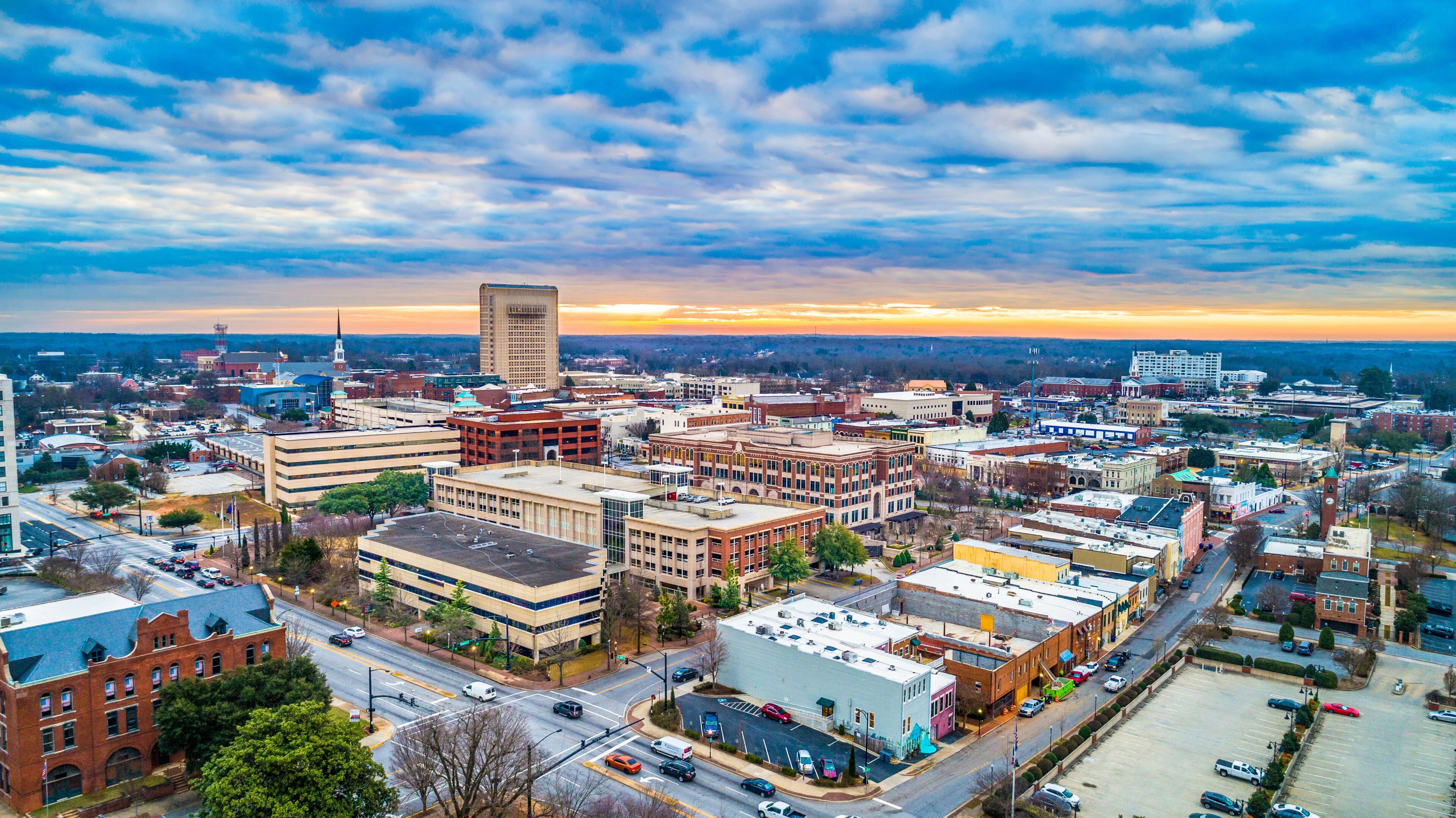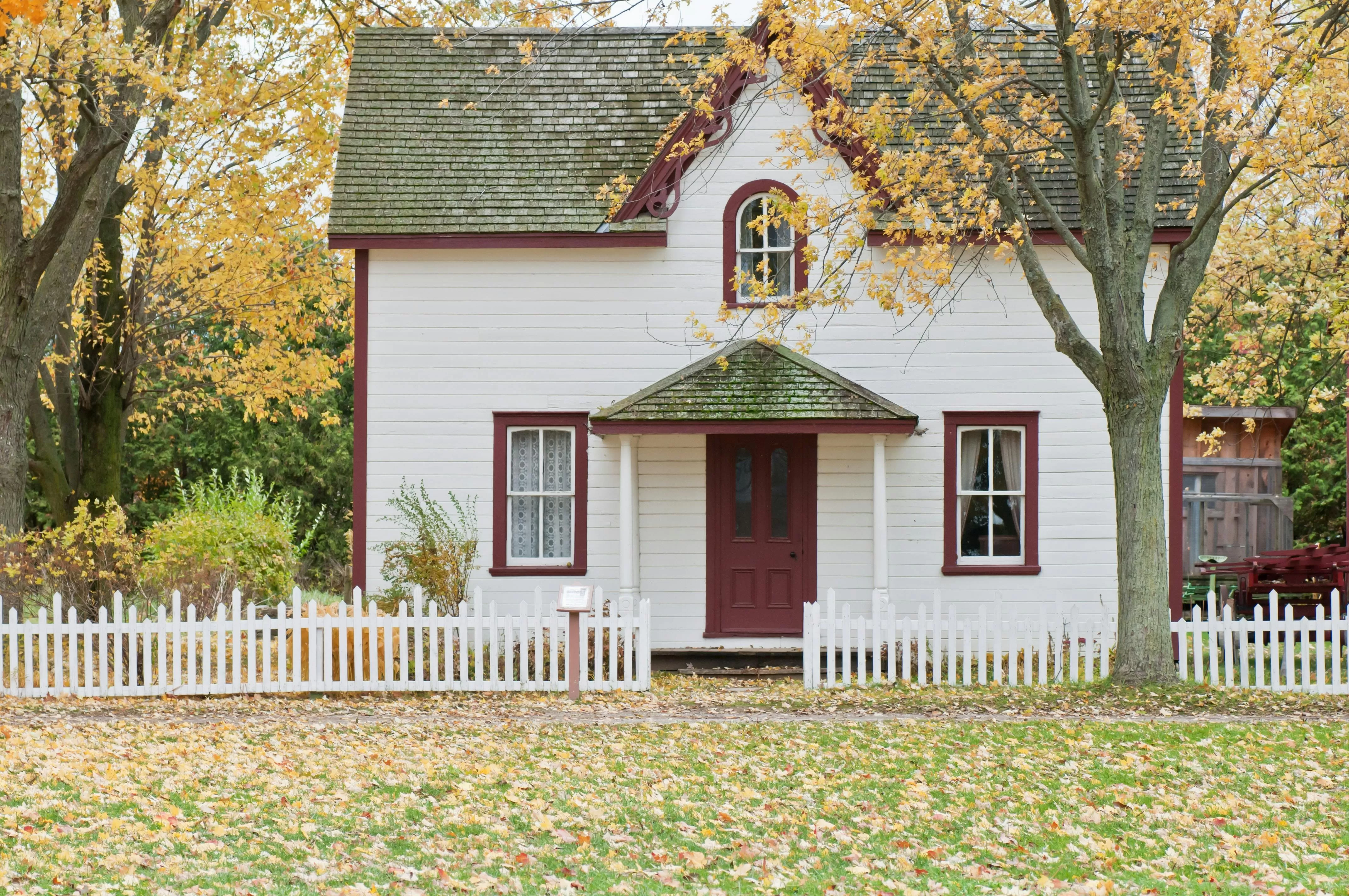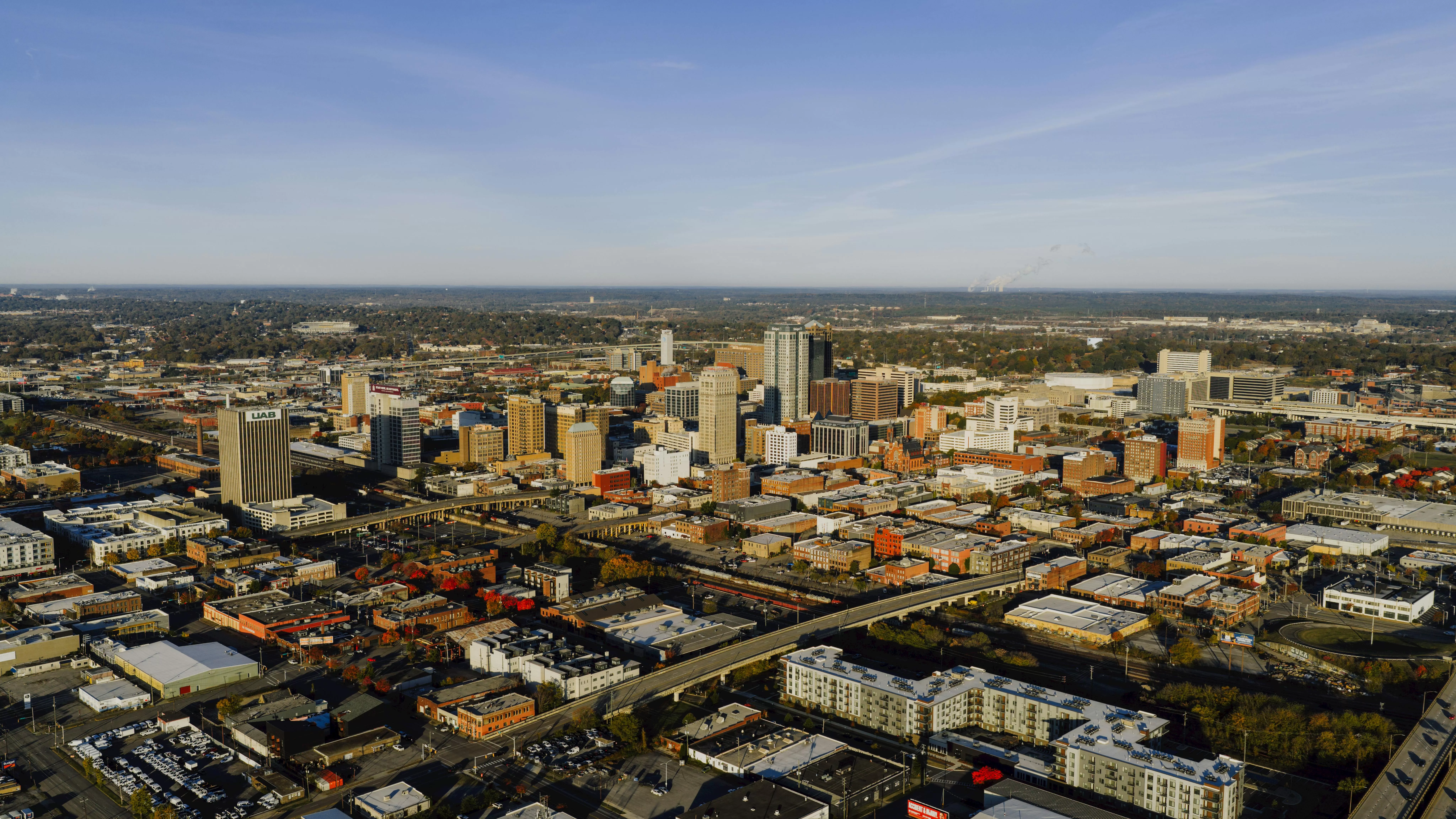
The cheapest places to buy a house in Alabama are typically found in cities like Selma, Anniston, Gadsden, and parts of Montgomery, where median home prices often range between $60,000 and $150,000. These markets offer low entry costs and, in many cases, strong rental yields, making them attractive for first-time buyers and long-term investors seeking consistent cash flow rather than rapid appreciation.
Why Is Alabama One Of The Cheapest States To Buy A House?
Alabama remains one of the most affordable housing markets in the United States due to lower land costs, modest population growth, and relatively stable but slow-moving property demand. Home values are closely tied to local income levels, which keeps prices accessible across most regions.
The primary factors driving low housing prices include:
- Lower Cost Of Living: Housing prices align with lower average incomes, keeping home values within reach.
- Ample Land Availability: Less urban density reduces pressure on land prices.
- Limited Speculative Investment: Fewer institutional buyers compared to high-growth states.
- Low Property Taxes: Alabama has some of the lowest property tax rates in the U.S., reducing total ownership cost.
For buyers, this means lower mortgage obligations and easier entry into homeownership. For investors, it creates an environment where rental income can produce favorable yields relative to property value.
However, affordability varies significantly by location. Major metro areas like Birmingham and Huntsville are more expensive, while smaller cities and rural markets offer the lowest prices—but often with different risk profiles.
What Are The Cheapest Places To Buy A House In Alabama?
The cheapest housing markets in Alabama are typically located in smaller cities with stable but slower economic growth. These areas offer low acquisition costs and, in some cases, strong rental demand driven by local employment and workforce housing needs.
| City | Median Home Price | Typical Monthly Rent | Investment Profile |
|---|---|---|---|
| Selma | $60,000 – $100,000 | $650 – $900 | Very low cost, higher risk |
| Anniston | $90,000 – $140,000 | $800 – $1,050 | Affordable with moderate stability |
| Gadsden | $85,000 – $135,000 | $750 – $1,000 | Steady rental demand |
| Montgomery (select areas) | $110,000 – $170,000 | $900 – $1,200 | Balanced affordability and demand |
| Decatur | $120,000 – $180,000 | $950 – $1,250 | Industrial employment base |
Each of these cities serves a different type of buyer or investor, depending on risk tolerance and financial goals.
Selma: Lowest Prices With Higher Risk Factors
Selma consistently ranks as one of the cheapest housing markets in Alabama. Entry prices are extremely low, making it accessible for buyers with limited capital.
However, economic challenges and population decline can affect rental demand and property values. This market is best suited for investors experienced in managing risk and vacancy.
Anniston: Affordable Entry With Moderate Stability
Anniston offers low home prices with a more stable environment than the lowest-cost markets. Its proximity to larger employment centers supports steady housing demand.
This makes it suitable for buyers seeking affordability without extreme volatility.
Gadsden: Consistent Rental Demand At Low Prices
Gadsden provides a balance between low acquisition costs and reliable rental demand. The local economy supports workforce housing, which helps maintain occupancy rates.
Investors often target this market for stable, long-term rental income.
Montgomery: Affordable Capital City Submarkets
Montgomery, as the state capital, offers more economic stability than smaller cities. While prices are higher, certain neighborhoods remain affordable and provide consistent tenant demand.
This makes Montgomery a practical choice for investors prioritizing stability over maximum yield.
Decatur: Industrial Market With Growth Potential
Decatur benefits from manufacturing and industrial employment, which supports local housing demand. Prices remain relatively low compared to national averages.
This market offers a balance of affordability and economic support, making it attractive for long-term investors.
Do Cheap Homes In Alabama Offer Good Long-Term Investment Potential?
Cheap homes in Alabama can provide solid long-term investment potential, particularly for investors focused on rental income rather than rapid property appreciation. The low purchase price creates favorable conditions for achieving positive cash flow.
Typical gross rental yields in low-cost Alabama markets range from 7% to 13%, depending on location, property condition, and tenant demand.
The key factors influencing long-term performance include:
- Local Economic Stability: Cities with diversified employment bases offer more predictable rental demand.
- Population Trends: Areas with stable or growing populations reduce vacancy risk.
- Property Quality: Well-maintained homes attract better tenants and reduce ongoing costs.
- Purchase Discipline: Buying below market value improves long-term returns.
Investors who prioritize extremely low purchase prices without evaluating these factors may face challenges such as prolonged vacancies or higher maintenance costs.
For most buyers and long-term investors, the optimal approach is to target moderately priced homes in stable neighborhoods where rental demand is consistent and economic fundamentals support occupancy.
Which Property Types Are Cheapest And Most Practical In Alabama?
The cheapest homes in Alabama are typically older single-family houses, small multi-family properties, and distressed or foreclosure listings. Among these, single-family homes in stable working-class neighborhoods and duplexes in rental-driven areas tend to offer the most practical balance between affordability and income potential.
The most common low-cost property types include:
- Older Single-Family Homes: Widely available under $150,000 and suitable for both owner-occupiers and rental investors.
- Duplexes And Small Multi-Family Units: Higher purchase price but stronger income due to multiple tenants.
- Foreclosures: Discounted opportunities, often requiring repairs and legal due diligence.
- Fixer-Uppers: Lower entry cost with renovation upside, but require accurate budgeting.
| Property Type | Typical Price Range | Rental Yield Potential | Complexity Level |
|---|---|---|---|
| Single-Family | $80K – $160K | 7% – 11% | Low |
| Duplex | $140K – $240K | 9% – 13% | Moderate |
| Fixer-Upper | $50K – $120K | 10% – 15% (post-renovation) | High |
| Foreclosure | $60K – $130K | Varies | High |
For most buyers and long-term investors, single-family homes in stable neighborhoods provide the most predictable returns, while duplexes can improve cash flow with manageable additional complexity.
What Are The True Costs Of Buying A Cheap House In Alabama?
The actual cost of buying a cheap house in Alabama extends beyond the listing price. Buyers must factor in closing costs, repairs, taxes, and ongoing ownership expenses to determine true affordability and investment viability.
| Cost Category | Estimated Range | Key Considerations |
|---|---|---|
| Purchase Price | $60K – $180K | Varies by city and condition |
| Closing Costs | 2% – 5% | Includes lender, legal, and title fees |
| Repairs / Renovation | $5K – $35K+ | Higher for distressed properties |
| Property Taxes | ~0.4% – 0.7% annually | Among the lowest in the U.S. |
| Insurance | $900 – $1,600/year | Depends on age, location, and coverage |
For example, a $90,000 home may require an additional $10,000–$20,000 upfront when including closing costs and basic repairs. Underestimating these expenses is one of the most common reasons investors fail to achieve expected returns.
Serious buyers calculate net income after expenses such as maintenance, vacancies, and property management. This provides a realistic view of long-term financial performance.
How To Buy A Cheap House In Alabama Step By Step
Buying a low-cost home in Alabama follows a standard real estate transaction process, but requires more detailed due diligence due to property condition and market variability.
- Set Budget And Financing Strategy: Include purchase, repairs, and contingency reserves.
- Choose Target Market: Focus on cities with stable employment and rental demand.
- Search For Properties: Use local listings, agents, auctions, and off-market opportunities.
- Conduct Thorough Inspection: Evaluate structure, roof, plumbing, and electrical systems.
- Analyze Rental Potential: Compare realistic rent levels and vacancy trends.
- Submit Offer And Negotiate: Adjust offer based on condition and repair costs.
- Complete Closing Process: Finalize legal, financial, and title requirements.
- Prepare Property For Use: Renovate if needed and secure tenants or move in.
This structured approach reduces the likelihood of unexpected costs and improves the chances of achieving stable long-term returns.
What Risks Should Buyers And Investors Consider In Alabama?
Low-cost housing markets in Alabama present specific risks that buyers and investors must evaluate carefully before purchasing.
- Economic Concentration: Some cities rely on limited industries, which can affect housing demand during downturns.
- Property Condition Issues: Older homes may require significant repairs, increasing total investment cost.
- Vacancy Risk: Lower-demand areas may experience longer vacancy periods.
- Neighborhood Variability: Conditions can vary significantly within the same city.
- Insurance And Weather Exposure: Certain areas may face higher insurance costs due to regional risks.
Mitigating these risks requires focusing on location quality, conducting detailed inspections, and using conservative financial projections. Buyers who approach low-cost markets with discipline tend to achieve more consistent results over time.
What Are The Best Investment Strategies For Alabama Real Estate?
The most effective real estate strategies in Alabama focus on consistent rental income, conservative acquisitions, and long-term holding periods. Given the state’s affordability and moderate appreciation rates, investors benefit more from stable cash flow than short-term price gains.
- Buy-And-Hold Rentals: Acquire affordable homes in stable neighborhoods and generate recurring income through long-term tenants.
- Workforce Housing Investments: Focus on areas with steady employment where demand for affordable rentals remains consistent.
- Light Renovation Strategy: Upgrade older properties selectively to increase rental value without excessive capital expenditure.
- Portfolio Diversification: Spread investment across multiple low-cost properties to reduce location-specific risk.
These strategies align with Alabama’s market fundamentals, where predictability and cost control are more important than rapid price growth.
Should You Prioritize Cash Flow Or Appreciation In Alabama?
In Alabama, prioritizing cash flow is generally more effective than relying on appreciation. Property values tend to increase gradually, while rental income can provide immediate and consistent returns.
- Cash Flow Advantage: Lower purchase prices allow rental income to generate higher yield percentages.
- Moderate Appreciation: Value growth occurs over longer periods, particularly in economically stable cities.
- Lower Volatility: Reduced price swings help preserve capital during market fluctuations.
A balanced approach, targeting properties that generate positive monthly income while being located in stable, economically supported areas, offers the most reliable long-term outcome.
What Is The Long-Term Outlook For Alabama’s Affordable Housing Market?
The long-term outlook for Alabama’s affordable housing market is stable, supported by consistent demand for workforce housing and relatively low cost of living. While the state is unlikely to experience rapid price surges, it offers durability and predictability.
- Continued Affordability: Home prices are expected to remain below national averages.
- Steady Rental Demand: Workforce housing needs will continue to support occupancy rates.
- Localized Growth: Certain cities, particularly those with industrial or government employment, may see stronger performance.
- Investor Accessibility: Low entry costs will continue attracting small and mid-scale investors.
These factors make Alabama particularly suitable for buyers and investors seeking long-term income stability rather than speculative gains.
Frequently Asked Questions
What Is The Cheapest Place To Buy A House In Alabama?
Selma is often considered the cheapest place to buy a house in Alabama, with prices frequently below $100,000, though it carries higher investment risk.
Is Alabama Good For Long-Term Real Estate Investment?
Yes, Alabama is suitable for long-term investment due to low purchase prices and consistent rental demand in stable markets.
How Much Does It Cost To Buy A Cheap House In Alabama?
Most buyers can expect to spend between $60,000 and $180,000, plus additional costs for closing, repairs, and maintenance.
Which Alabama Cities Offer The Best Rental Returns?
Cities like Gadsden, Anniston, and parts of Montgomery often provide strong rental yields due to affordable purchase prices and steady demand.
Are Cheap Homes In Alabama Suitable For First-Time Buyers?
Yes, they provide a lower-cost entry into homeownership, but buyers should carefully evaluate location, condition, and long-term affordability.
Key Takeaways
- Low Entry Prices: Alabama offers some of the most affordable housing markets in the U.S.
- Top Affordable Cities: Selma, Anniston, Gadsden, Montgomery, and Decatur provide varied opportunities.
- Cash Flow Focus: Rental income is the primary driver of returns in low-cost markets.
- Risk Awareness: Extremely low prices may indicate economic or property-level challenges.
- Stable Outlook: Alabama markets favor steady, long-term returns over rapid appreciation.
References
- U.S. Census Bureau – Housing Data
- Alabama Department of Revenue – Property Tax Information
- Federal Housing Finance Agency – House Price Index
- Zillow Research – Regional Market Trends
- Local Alabama MLS Reports