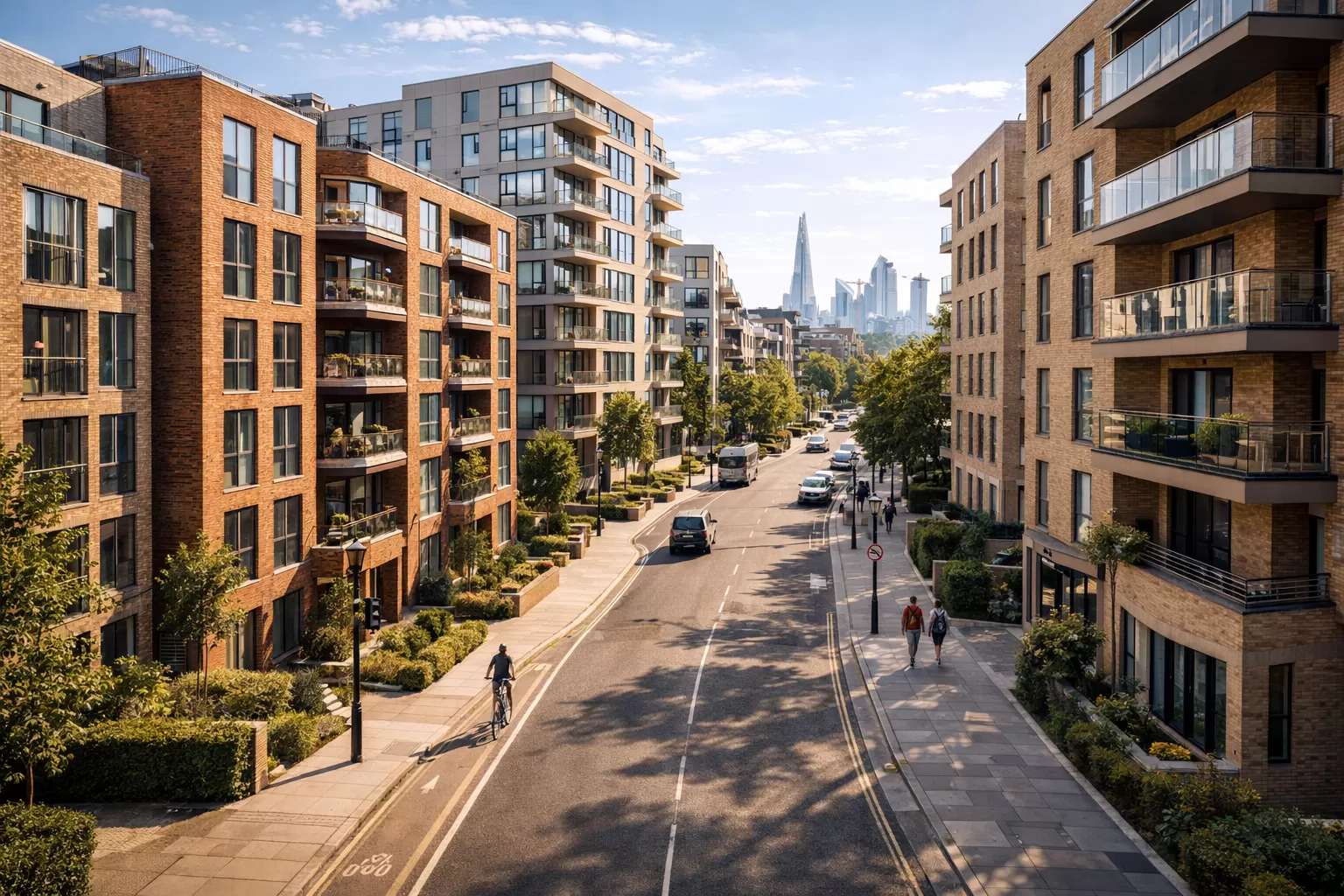
Buying a second home in retirement is financially viable if your income streams, liquidity, and long-term expenses are carefully balanced against property costs, taxes, and maintenance. The decision should be driven by cash flow sustainability, lifestyle goals, and risk tolerance—not just available savings. A well-planned purchase can enhance retirement living and preserve wealth, while a poorly structured one can strain fixed income and reduce financial flexibility.
Why Do Retirees Consider Buying a Second Home?
Retirees typically buy a second home to improve lifestyle flexibility, reduce living costs in certain seasons, or secure a long-term investment that can later be converted into a primary residence or inherited asset.
Unlike working-age buyers, retirees prioritise comfort, accessibility, and financial stability over proximity to employment. A second home often serves one of three strategic purposes: lifestyle enhancement, income generation, or legacy planning.
Primary Motivations Behind Second Home Purchases
Lifestyle optimisation: Many retirees choose locations with better climate conditions, lower population density, or proximity to family. A second home allows seasonal living without permanently relocating.
Cost-of-living arbitrage: Moving part-time to regions with lower daily expenses can stretch retirement income, especially when healthcare, utilities, and food costs vary significantly by region.
Rental income potential: Some retirees offset ownership costs by renting the property when not in use. This is common in tourist or high-demand seasonal markets.
Future primary residence planning: A second home may serve as a transitional asset, becoming the main residence later as health, mobility, or lifestyle needs change.
Wealth preservation and inheritance: Real estate is often used as a tangible asset to pass on to heirs, particularly in stable or appreciating markets.
Key Consideration
The purpose of the second home should be clearly defined before purchase. A property intended for rental income requires different location, legal compliance, and financial planning than one intended purely for personal use.
How Do You Know If You Are Financially Ready to Buy a Second Home in Retirement?
You are financially ready to buy a second home if your retirement income reliably covers all existing living expenses, future healthcare needs, and the full cost of the new property without compromising liquidity or emergency reserves.
Retirement income is typically fixed or semi-fixed, which makes cash flow management more critical than during working years. A second home should not depend on optimistic assumptions such as constant rental income or rising property values.
Core Financial Readiness Criteria
Stable income streams: Pensions, annuities, rental income, or investment withdrawals must be predictable and sufficient to cover both primary and secondary property expenses.
Adequate liquidity: Retirees should maintain accessible funds for emergencies. A second home should not significantly reduce liquid assets needed for healthcare or unexpected costs.
Low or manageable debt: Carrying high-interest debt into retirement increases financial risk. Ideally, primary residence mortgages should be paid off or minimal before considering another property.
Healthcare cost planning: Medical expenses tend to increase with age. Funds allocated for property should not interfere with long-term care planning or insurance coverage.
Inflation resilience: Fixed incomes can lose purchasing power over time. Property ownership costs, including taxes and maintenance, often rise annually.
Self-Assessment Questions
Answering the following helps determine readiness:
- Can I comfortably afford two properties without relying on rental income?
- Do I still have at least 12–24 months of living expenses in liquid reserves after purchase?
- Will this purchase affect my ability to handle healthcare or assisted living costs later?
- Am I prepared for periods when the second home generates no income?
Risk Indicator
If purchasing the second home requires selling essential investments, increasing debt significantly, or reducing emergency funds, the timing may not be financially appropriate.
What Are the Real Costs of Owning a Second Home in Retirement?
The true cost of owning a second home extends beyond the purchase price and includes recurring expenses such as property taxes, insurance, maintenance, utilities, travel, and the opportunity cost of tied-up capital.
Many retirees underestimate ongoing costs, which can lead to financial strain over time. A realistic budget must account for both predictable and irregular expenses.
Fixed and Recurring Costs
Property taxes: These vary by location and may increase over time. Some regions impose higher rates on non-primary residences.
Insurance: Vacation or secondary homes often require specialised insurance, particularly in areas prone to floods, earthquakes, or extreme weather.
Utilities: Even when unoccupied, properties incur electricity, water, internet, and security costs.
Maintenance and repairs: Aging properties require ongoing upkeep. Remote ownership can increase costs due to reliance on local service providers.
Property management: If the home is rented or not regularly occupied, management fees may apply for cleaning, maintenance, and tenant handling.
Variable and Hidden Costs
Travel expenses: Frequent trips between primary and second homes can become a high recurring cost.
Furnishing and setup: A second home often requires a complete set of furniture, appliances, and safety installations.
Legal and compliance costs: Rental properties may require licenses, local registrations, or tax filings.
Vacancy risk: If rented, periods without tenants reduce expected income while expenses continue.
Opportunity cost: Capital tied up in real estate is not available for other investments that may offer liquidity or higher returns.
Practical Insight
A conservative financial approach assumes zero rental income and includes a contingency buffer of at least 10–20% above estimated annual costs. This prevents reliance on uncertain income streams and protects retirement stability.
What Are the Best Financing Options for a Second Home in Retirement?
Outright Retirement Purchase: The most suitable financing option depends on liquidity, income stability, and risk tolerance. Retirees typically choose between paying in cash, using a conventional mortgage, or leveraging existing property equity.
Each approach carries different implications for cash flow, tax exposure, and long-term financial flexibility.
Cash Purchase
Best for: Retirees with substantial liquid assets who want to avoid debt.
Paying in cash eliminates interest costs and simplifies ownership. However, it reduces liquidity and ties up capital that could otherwise generate returns or remain available for emergencies.
Risk consideration: Over-allocating funds to property may limit flexibility for healthcare or unexpected expenses.
Second Home Mortgage
Best for: Buyers who prefer preserving liquidity and maintaining investment portfolios.
Lenders typically require higher credit scores, larger down payments (often 20–30%), and proof of stable income. Interest rates are generally higher than those for primary residence loans.
Risk consideration: Fixed monthly repayments can strain retirement income, especially during market downturns or inflationary periods.
Home Equity Financing
Best for: Homeowners with significant equity in their primary residence.
Options include home equity loans or lines of credit. These allow retirees to leverage existing property value without liquidating investments.
Risk consideration: Defaulting on payments can put the primary residence at risk.
Hybrid Strategy
Some retirees combine partial cash payments with smaller loans to balance liquidity and debt exposure. This approach can reduce interest costs while preserving emergency funds.
Expert Insight
The decision should prioritise cash flow sustainability over minimising interest. Maintaining financial flexibility is often more valuable than owning the property outright.
How Should Retirees Choose the Right Location for a Second Home?
The ideal location balances affordability, accessibility, healthcare infrastructure, climate preferences, and long-term livability. A second home should remain practical as mobility and health needs evolve.
Location selection directly affects not only lifestyle but also resale value, rental demand, and ongoing costs.
Key Location Factors
Healthcare access: Proximity to hospitals and specialised care is essential, particularly for long-term planning.
Cost of living: Lower-cost regions can extend retirement income, but must be weighed against infrastructure and services.
Climate and environment: Weather patterns influence comfort, maintenance costs, and insurance requirements.
Connectivity: Accessibility via road, rail, or air is important for frequent travel between homes.
Safety and community: Established neighbourhoods with stable populations tend to offer better long-term security and resale value.
Lifestyle Alignment
A coastal property may suit leisure-focused retirees, while a city apartment may better serve those prioritising healthcare access and convenience. Rural properties offer tranquillity but may increase isolation and logistical challenges.
Rental Viability Consideration
If rental income is part of the plan, demand drivers such as tourism, seasonal events, and local regulations must be evaluated carefully. Not all desirable personal locations perform well as rental assets.
What Legal and Tax Factors Should You Consider Before Buying?
Buying a second home introduces additional legal and tax obligations that vary by jurisdiction. These can significantly affect ownership costs, rental income, and long-term returns.
Understanding these factors before purchase helps avoid compliance issues and unexpected financial liabilities.
Property Ownership Regulations
Some regions impose restrictions on non-resident buyers or second-home ownership. These may include higher registration fees, usage limitations, or zoning restrictions.
Tax Implications
Property taxes: Secondary homes often attract higher rates than primary residences.
Rental income tax: Income generated must typically be declared and may be subject to local taxation.
Capital gains tax: Selling a second home may result in higher tax liability compared to a primary residence.
Wealth and inheritance taxes: Property may be subject to estate planning considerations depending on jurisdiction.
Legal Compliance for Rentals
Short-term rentals may require licenses, adherence to safety regulations, and compliance with local housing laws. Non-compliance can result in fines or restrictions.
Documentation and Due Diligence
Clear title verification, zoning approvals, and property condition assessments are essential. Retirees should prioritise properties with minimal legal complexity to reduce long-term risk.
What Mistakes Should Retirees Avoid When Buying a Second Home?
The most common mistakes involve underestimating costs, overestimating income potential, and failing to align the purchase with long-term needs.
Key Mistakes
Over-reliance on rental income: Assuming consistent occupancy can lead to financial shortfalls.
Ignoring long-term healthcare needs: Choosing remote or poorly connected locations may create challenges later.
Underestimating maintenance: Second homes often incur higher upkeep costs due to irregular occupancy.
Emotional buying decisions: Lifestyle appeal should not override financial prudence.
Lack of exit strategy: Failing to plan for resale or future use can limit financial flexibility.
Professional Insight
A second home should be evaluated as both a lifestyle asset and a financial commitment. Decisions should be grounded in realistic projections rather than optimistic assumptions.
How Should a Second Home Fit Into Your Long-Term Retirement Plan?
A second home should align with long-term financial security, healthcare planning, and estate goals. It must remain sustainable even as income stability, mobility, and personal needs evolve.
Retirement planning is not static. A property that fits current lifestyle preferences may become less practical over time. Therefore, long-term usability and financial flexibility must guide the purchase.
Future Use Planning
Primary residence transition: Many retirees eventually convert their second home into their main residence. This requires evaluating access to healthcare, daily services, and community infrastructure.
Downsizing pathway: A second home can serve as a downsizing option, reducing maintenance burden compared to a larger primary residence.
Assisted living considerations: If long-term care becomes necessary, the property should be easy to sell or rent without legal or structural complications.
Estate and Inheritance Planning
Property ownership should be structured to simplify transfer to heirs. This includes clear documentation, understanding inheritance laws, and considering potential tax liabilities for beneficiaries.
Some retirees choose to place property within estate planning structures to reduce administrative complexity for family members.
Exit Strategy
Every second home purchase should include a clear exit strategy. This may involve resale timing, rental conversion, or transfer to family members.
A well-defined exit plan protects against market fluctuations and ensures the property remains a flexible asset rather than a financial burden.
How Can Retirees Manage a Second Home Effectively?
Effective management ensures the property remains secure, well-maintained, and financially sustainable, especially when it is not occupied year-round.
Remote ownership introduces logistical challenges that must be addressed through structured systems or professional support.
Maintenance Strategy
Scheduled inspections: Regular checks help identify issues early, reducing long-term repair costs.
Preventive maintenance: Routine servicing of plumbing, electrical systems, and roofing minimises unexpected expenses.
Seasonal preparation: Properties in extreme climates require preparation for weather-related risks.
Security Measures
Smart monitoring systems: Surveillance and remote access tools allow retirees to monitor the property from a distance.
Local contacts: Trusted neighbors or property managers provide on-ground oversight.
Professional Property Management
Hiring a management company can simplify operations, especially if the property is rented. Services typically include tenant management, maintenance coordination, and compliance handling.
While this adds cost, it reduces personal involvement and operational stress.
Financial Tracking
Maintaining clear records of expenses, taxes, and any rental income is essential for budgeting and compliance. This also supports accurate financial planning and decision-making.
Frequently Asked Questions
Is buying a second home in retirement a good investment?
It can be a sound investment if it aligns with long-term financial stability and is not dependent on uncertain income streams. The primary value often lies in lifestyle benefits rather than high financial returns.
How much should retirees budget for a second home?
Retirees should budget not only for the purchase price but also for annual costs such as taxes, maintenance, insurance, and travel, with an additional contingency buffer of at least 10–20%.
Should retirees pay cash or take a loan?
This depends on liquidity needs. Paying cash avoids interest but reduces available funds, while loans preserve liquidity but introduce repayment obligations.
Can rental income cover second home expenses?
Rental income can offset costs, but should not be relied upon as the primary funding source due to vacancy risks and market fluctuations.
What type of property is best for retirees?
Low-maintenance properties in accessible locations with strong healthcare infrastructure are generally more suitable for long-term retirement needs.
Key Takeaways
- Financial readiness is critical: Ensure stable income, strong liquidity, and healthcare planning before committing.
- Total cost matters: Ownership includes taxes, maintenance, travel, and opportunity cost—not just purchase price.
- Location impacts everything: Choose areas that balance lifestyle, accessibility, and long-term practicality.
- Avoid common pitfalls: Do not rely heavily on rental income or underestimate ongoing costs.
- Plan long-term: Align the property with future living needs, estate planning, and a clear exit strategy.
Conclusion: Buying a second home in retirement is a strategic decision that requires disciplined financial planning, realistic cost assessment, and alignment with long-term life goals. When approached with clarity and caution, it can provide both lifestyle enhancement and asset stability without compromising financial security.
References
- Global retirement housing studies and property market reports.
- Standard mortgage lending guidelines for second homes.
- Regional property taxation frameworks and compliance practices.
- Estate planning principles related to real estate assets.