Buying a second home in France is legally accessible to both EU and non-EU buyers, but it requires strict adherence to the French property acquisition process, including a notarised contract, a mandatory cooling-off period, and payment of acquisition taxes and fees typically ranging between 7% and 10% of the purchase price. Costs vary by property type, location, and ownership structure, while legal steps are standardised and overseen by a notaire to ensure compliance and title security.
Why Buy a Second Home in France?
France remains one of the most stable and transparent property markets in Europe, offering strong legal protections for buyers, diverse property options, and long-term lifestyle appeal. A second home purchase here is typically driven by a mix of personal use, rental income potential, and capital preservation rather than short-term speculation.
The country’s regional diversity allows buyers to align their purchase with specific goals. Coastal areas appeal to lifestyle buyers seeking seasonal retreats, while rural regions attract value-driven investors. Major cities offer stronger rental demand but come with higher entry costs and regulatory considerations.
What makes France attractive for second-home buyers?
The primary advantage is legal certainty. France operates under a civil law system where property ownership is clearly documented and enforced. The involvement of a government-appointed notaire ensures that due diligence, title verification, and tax compliance are handled before completion.
Additionally, there are no restrictions on foreign ownership of residential property. Buyers can purchase freehold property with the same rights as French citizens, subject to standard legal and financial procedures.
Is a second home in France a good investment?
A second home in France should be viewed as a medium- to long-term asset rather than a high-yield investment. While capital appreciation can occur, especially in prime locations, the primary returns often come from lifestyle benefits and potential rental income during unused periods.
However, rental income is subject to local regulations, particularly in cities where short-term rentals may require registration or restrictions. Buyers must assess local rules before relying on rental yields as part of their financial plan.
What types of properties are commonly purchased as second homes?
Buyers typically choose between rural houses, coastal villas, ski apartments, and urban pied-à-terre properties. Each category has different cost structures, maintenance requirements, and rental potential. For example, older rural homes may have lower purchase prices but higher renovation costs, while newer apartments may involve ongoing service charges.
Understanding the trade-off between purchase price and long-term ownership costs is essential when selecting the right property type.
Who Can Buy Property in France?
France allows unrestricted property ownership for both residents and non-residents, including non-EU nationals. There is no requirement to hold residency or citizenship to purchase a second home. However, ownership does not automatically grant residency rights or visa privileges.
Can non-EU citizens buy a second home in France?
Yes, non-EU citizens can freely buy property in France. The process and legal protections are identical to those for EU buyers. The key difference lies in post-purchase usage, particularly the length of stay permitted under visa rules.
Non-EU owners are typically subject to the Schengen Area rule, allowing stays of up to 90 days within 180 days unless they obtain a long-stay visa. This limitation is critical for buyers intending to use the property extensively.
Do you need a French bank account?
While not legally mandatory, having a French bank account is highly practical. It simplifies the payment of utility bills, local taxes, insurance premiums, and property-related charges. It is also often required for setting up direct debits, which are standard in France.
Some notaries may request a local account for transaction efficiency, especially when handling large transfers related to the purchase.
Can you buy jointly or through a company?
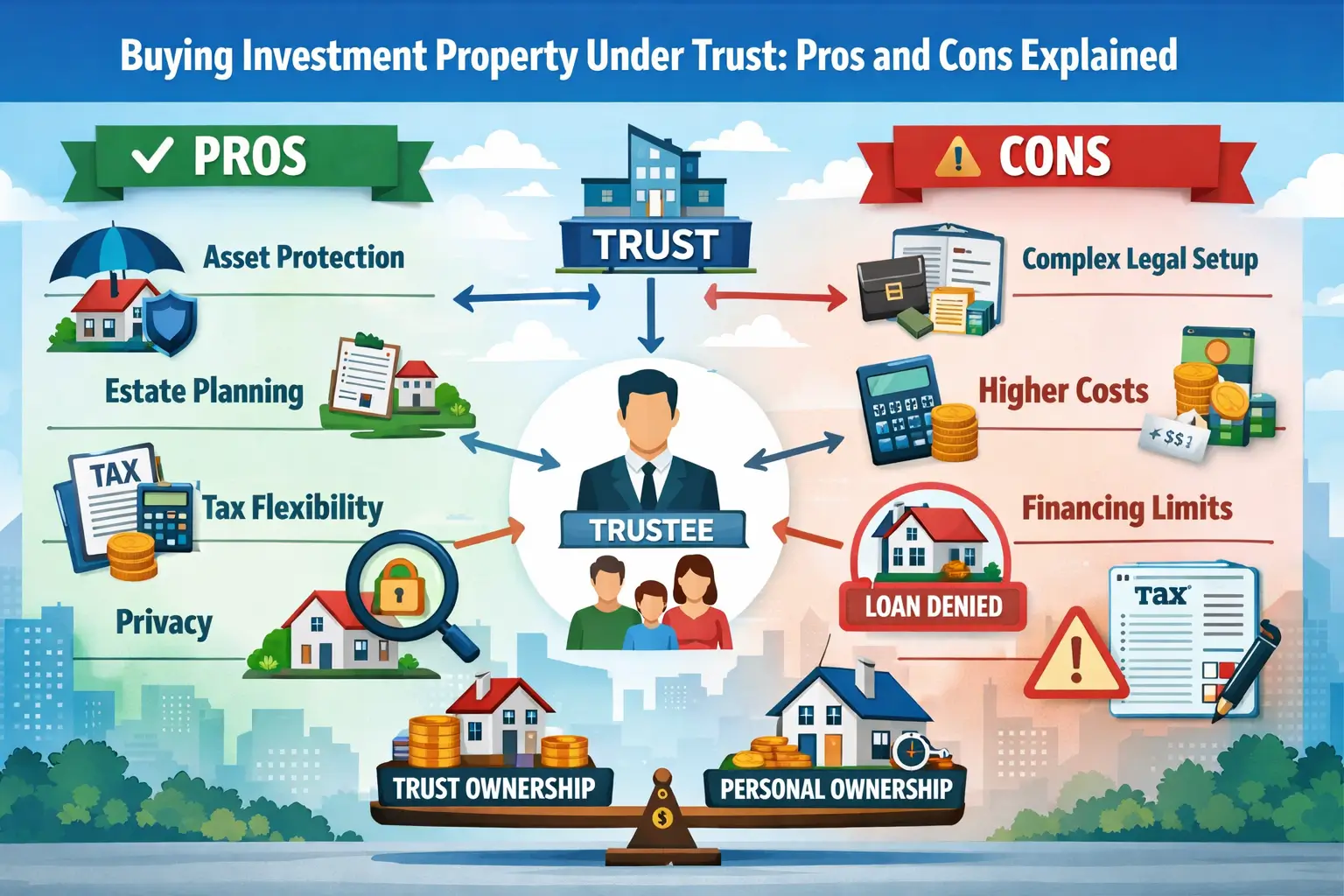
Buyers can purchase property individually, jointly, or through a legal entity such as a property-holding company. Each structure has implications for taxation, inheritance planning, and liability.
Joint ownership is common among couples, while structured ownership through a company may be used for estate planning or shared investments. However, such arrangements require careful legal advice to avoid unintended tax consequences.
Are there financing options for foreign buyers?
French banks do offer mortgages to non-residents, but approval depends on income stability, debt ratios, and documentation. Lenders typically require higher deposits from foreign buyers, often between 20% and 40% of the property value.
Mortgage terms can be competitive, but the application process is more document-intensive compared to domestic buyers. Currency fluctuations should also be considered when borrowing in euros while earning in another currency.
What Is the Legal Process for Buying a Second Home in France?
The legal process for buying property in France follows a structured, legally binding sequence involving an offer, a preliminary contract, a statutory cooling-off period, and completion before a notaire. Each stage is regulated and designed to protect both buyer and seller.
Step 1: Making an Offer (Offre d’Achat)
Once a suitable property is identified, the buyer submits a written offer stating the proposed price and conditions. If accepted, the offer becomes legally significant, although it does not yet transfer ownership.
At this stage, negotiations may occur regarding price, fixtures, or completion timelines. It is advisable to include conditions such as mortgage approval where applicable.
Step 2: Signing the Preliminary Contract
The preliminary contract, typically a Compromis de Vente, formalises the agreement between buyer and seller. It outlines the price, conditions, property details, and legal obligations of both parties.
Upon signing, the buyer usually pays a deposit of around 5% to 10% of the purchase price. This deposit is held securely by the notaire or agent until completion.
Step 3: Cooling-Off Period
Buyers benefit from a mandatory 10-day cooling-off period after signing the preliminary contract. During this time, they can withdraw from the purchase without penalty. This protection applies regardless of nationality.
After the cooling-off period, withdrawal without valid contractual conditions may result in the loss of the deposit.
Step 4: Legal Checks and Due Diligence
The notaire conducts comprehensive checks, including verifying ownership title, ensuring there are no outstanding debts or liens on the property, and confirming compliance with planning regulations.
Diagnostic reports are also provided, covering aspects such as energy performance, asbestos, lead exposure, and structural risks. These reports are legally required and form part of the transaction file.
Step 5: Final Deed (Acte de Vente)
The final stage involves signing the Acte de Vente before the notaire. This legally transfers ownership to the buyer. The remaining balance of the purchase price, along with taxes and fees, must be paid before or at this stage.
Once signed, the buyer receives ownership rights, and the notaire registers the transaction with the French land registry.
How long does the process take?
The full process typically takes between 8 and 12 weeks from offer acceptance to completion. Delays may occur if financing is involved or if additional legal checks are required.
Buyers should plan for this timeline and avoid making commitments that depend on immediate completion.
What Are the Total Costs of Buying a Second Home in France?
The total cost of buying a second home in France typically exceeds the property’s purchase price by 7% to 10% for existing homes and around 2% to 3% for new-build properties. These additional costs include notary fees, transfer taxes, legal charges, and administrative expenses, all of which are mandatory and must be budgeted upfront.
What are notaire fees and what do they include?
Notaire fees are often misunderstood as purely legal fees, but they largely consist of government taxes collected during the transaction. The notaire acts as a neutral public official responsible for authenticating the sale and ensuring legal compliance.
The majority of these fees are made up of transfer taxes (droits de mutation), with a smaller portion covering the notaire’s regulated service charges and administrative costs. Buyers should not expect significant variation in these fees, as they are largely standardised across France.
Are new-build properties cheaper in terms of fees?
Yes, new-build properties generally attract lower acquisition costs because they are subject to VAT rather than traditional transfer taxes. This results in overall transaction costs that are significantly lower compared to older properties.
However, the purchase price of new-build properties is often higher, which can offset the savings on fees. Buyers must evaluate the total acquisition cost rather than focusing solely on fee percentages.
What additional upfront costs should buyers consider?
Beyond notary fees, buyers should account for survey costs, mortgage arrangement fees (if applicable), insurance setup, and currency exchange charges for international transfers. These costs can vary depending on the buyer’s financial structure and location.
It is also common to budget for minor renovation or furnishing expenses immediately after purchase, particularly for second homes intended for rental or seasonal use.
What Taxes and Ongoing Costs Should You Expect?
Owning a second home in France involves recurring costs, including property taxes, maintenance expenses, insurance, and potential income tax on rental earnings. These costs are predictable but vary depending on property type, location, and usage.
What are the main property taxes in France?
Property owners are primarily responsible for two annual taxes: taxe foncière and taxe d’habitation. The taxe foncière applies to all property owners, while taxe d’habitation has largely been phased out for primary residences but may still apply to second homes depending on location.
In some high-demand areas, local authorities impose surcharges on second homes to discourage vacancy, which can significantly increase annual costs.
Are there taxes on rental income?
Yes, rental income generated from a second home in France is taxable. Owners must declare income either under a simplified regime or a real expense regime, depending on rental volume and property type.
Non-resident owners are still subject to French taxation on rental income derived from French property. Double taxation treaties may apply, but buyers should seek professional advice to understand their obligations.
What are typical maintenance and service costs?
Maintenance costs depend heavily on property type. Apartments may include service charges for building upkeep, while standalone houses require independent maintenance such as roofing, landscaping, and utilities.
Older properties, especially in rural areas, may require ongoing renovation or upgrades to meet modern energy efficiency standards. These costs should be factored into long-term ownership planning.
Is property insurance mandatory?
While not legally mandatory for all property types, insurance is effectively essential. Most mortgage lenders require it, and it protects against risks such as fire, water damage, and natural disasters.
Second homes may require specialised policies, particularly if they remain unoccupied for extended periods. Insurers often impose conditions related to security and maintenance.
How Financing and Currency Affect Total Investment
Financing structure and currency exposure play a critical role in the total cost of owning a second home in France. Buyers using mortgages or foreign income must carefully assess interest rates, exchange rate risks, and long-term affordability.
Should you finance locally or use overseas funds?
Financing through a French lender can provide stability and alignment with the local market, particularly if income is euro-denominated. However, international buyers often compare this with financing in their home country, depending on interest rates and borrowing flexibility.
Each option has implications for tax reporting, repayment structure, and exposure to currency fluctuations.
How does currency exchange impact costs?
Currency fluctuations can significantly affect the final purchase price and ongoing mortgage repayments. Even small exchange rate movements can lead to substantial differences in total cost when transferring large sums.
Many buyers use currency specialists to manage exchange rates and reduce transfer costs. Timing and strategy can have a measurable impact on overall investment value.
What about interest rates and repayment terms?
French mortgages often offer fixed interest rates, providing predictability over the loan term. Repayment periods can extend up to 20–25 years, depending on the borrower’s profile and age.
Non-resident buyers may face stricter lending criteria, including lower loan-to-value ratios and detailed financial scrutiny. Understanding these constraints early helps avoid delays in the purchase process.
Common Mistakes Buyers Make When Purchasing a Second Home in France
Many buyers underestimate the complexity of cross-border property ownership. Avoiding common mistakes can prevent financial strain, legal complications, and delays in the purchase process.
Underestimating total acquisition costs
A frequent mistake is focusing only on the purchase price without accounting for notary fees, taxes, and additional expenses. This can lead to budget shortfalls during completion.
Ignoring local regulations on rentals
Buyers planning to rent their property often fail to verify local restrictions. In some cities, short-term rentals are tightly regulated, requiring registration or limiting usage.
Not planning for inheritance and ownership structure
French inheritance laws can differ significantly from those in other countries. Failing to structure ownership correctly can lead to unintended succession outcomes.
Overlooking maintenance and long-term costs
Second homes, particularly those used seasonally, require ongoing upkeep. Buyers who neglect this aspect may face escalating costs over time.
Relying solely on informal advice
Property transactions in France are highly regulated. Buyers should rely on qualified professionals rather than informal guidance to ensure compliance and informed decision-making.
Do You Get Residency Rights When Buying a Second Home in France?
Buying a second home in France does not automatically grant residency or long-term stay rights. Property ownership and immigration status are legally separate, and buyers must comply with visa regulations based on their nationality.
What are the stay limits for non-EU buyers?
Non-EU citizens can typically stay in France for up to 90 days within 180 days under Schengen rules. To stay longer, a long-stay visa or residency permit is required. This is particularly important for second-home owners who intend to spend extended periods in France.
Can a second home support a residency application?
While owning property may strengthen a residency application by demonstrating accommodation and financial stability, it does not guarantee approval. Applicants must still meet income thresholds, insurance requirements, and administrative conditions set by French authorities.
Buyers planning long-term stays should align their property purchase with a clear immigration strategy to avoid legal or practical limitations on usage.
How Do French Inheritance Laws Affect Second Home Owners?
French inheritance law is based on forced heirship, meaning a portion of the estate must pass to direct descendants, regardless of the owner’s nationality. This can significantly impact how a second home is transferred upon death.
What is forced heirship?
Forced heirship rules require that children receive a fixed share of the estate. The remaining portion can be freely allocated through a will. This structure can override foreign wills if not properly aligned with French legal requirements.
Can foreign buyers apply their home country law?
In many cases, foreign owners can elect for the law of their nationality to apply to their estate under European succession regulations. However, this must be explicitly stated in a valid will and structured correctly.
Failure to plan for inheritance can result in delays, disputes, or unintended distribution of assets. Professional legal advice is essential when structuring ownership of a second home in France.
What Should You Know About Selling or Exiting the Investment?
Selling a second home in France involves capital gains tax considerations, transaction costs, and market timing. Planning an exit strategy early helps protect returns and ensures compliance with tax obligations.
Is capital gains tax applicable?
Yes, capital gains tax applies to second homes when sold at a profit. The rate and applicable deductions depend on the length of ownership, with gradual reductions over time that can significantly lower tax liability.
Primary residences are typically exempt, but second homes do not qualify for this exemption. Non-resident sellers are also subject to these rules, although tax treaties may influence final liabilities.
What are the selling costs?
Selling costs typically include estate agent fees, diagnostic reports, and administrative expenses. These costs reduce net proceeds and should be considered when calculating overall return on investment.
How long does it take to sell?
The time required to sell a property depends on location, pricing, and market conditions. High-demand areas tend to move faster, while rural or niche properties may take longer to find suitable buyers.
Accurate pricing and proper legal documentation are critical to avoiding delays during the sale process.
Frequently Asked Questions
Is it safe to buy property in France as a foreigner?
Yes, France has a highly regulated property system with strong legal protections. Transactions are overseen by a notaire, ensuring transparency and legal security.
How much deposit is required when buying a second home?
Buyers typically pay a deposit of 5% to 10% when signing the preliminary contract. This amount is held securely until completion.
Can I rent out my second home in France?
Yes, but rental activity may be subject to local regulations, particularly for short-term rentals in major cities. Compliance with registration and tax requirements is essential.
Do I need a lawyer in addition to a notaire?
The notaire handles the legal aspects of the transaction for both parties. However, some buyers choose to hire an independent lawyer for additional advice, especially in complex cases.
What is the highest cost beyond the property price?
Notaire fees and transfer taxes represent the highest additional cost, typically ranging from 7% to 10% for existing properties.
Key Takeaways
- Legal Structure: Property purchases in France follow a regulated, multi-step legal process overseen by a notaire.
- Total Costs: Buyers should budget an additional 7%–10% on top of the purchase price for existing homes.
- Ownership Rights: Foreign buyers can purchase property freely, but ownership does not grant residency rights.
- Ongoing Expenses: Taxes, maintenance, and insurance are essential components of long-term ownership costs.
- Strategic Planning: Financing, inheritance laws, and exit strategy significantly influence overall investment outcomes.
References
- French Government Public Service – Property Ownership and Taxation Guidelines
- Notaires de France – Property Transaction Process and Legal Framework
- European Commission – Cross-Border Property Ownership and Succession Rules
- Banque de France – Mortgage Lending Practices and Financial Conditions
- French Tax Authority – Capital Gains and Rental Income Regulations