Liverpool offers a dynamic commercial property market with opportunities across offices, retail, and industrial sectors. Investors, business owners, and landlords can find properties that suit a range of operational and financial objectives, from central office spaces to logistics hubs in industrial zones.
Liverpool Commercial Property Market Overview
Liverpool’s commercial property market is shaped by a combination of historic architecture, modern developments, and strong transport links. Key districts include the city centre, Baltic Triangle, and Liverpool Waters for offices and creative industries, while retail hubs are concentrated in Liverpool One and Bold Street. Industrial and logistics properties are largely located in Bootle, Speke, and Knowsley.
Investors can expect a diverse range of opportunities, with varying yields depending on property type and location. Office spaces in the city centre command higher capital values, whereas industrial units in peripheral areas typically provide stable rental income and lower acquisition costs.
Buying Office Properties in Liverpool
Office properties in Liverpool cater to a mix of financial services, technology, and creative sector tenants. Key considerations when purchasing office property include location, accessibility, building specification, and tenant demand.
Prime office districts such as the Commercial District and city centre waterfront offer modern, Grade A buildings with high occupancy rates. Secondary locations may provide more affordable entry points but could require refurbishment or longer marketing periods to attract tenants.
- Location: Proximity to transport hubs, restaurants, and amenities influences rental demand.
- Building Specification: Modern energy-efficient buildings with flexible layouts are increasingly preferred.
- Tenant Profile: Understanding the industry mix helps predict long-term occupancy and rental stability.
Office property transactions often involve due diligence on lease terms, service charges, and local planning regulations. Investors should consider both current income and potential for capital appreciation when evaluating office assets.
Buying Retail Properties in Liverpool
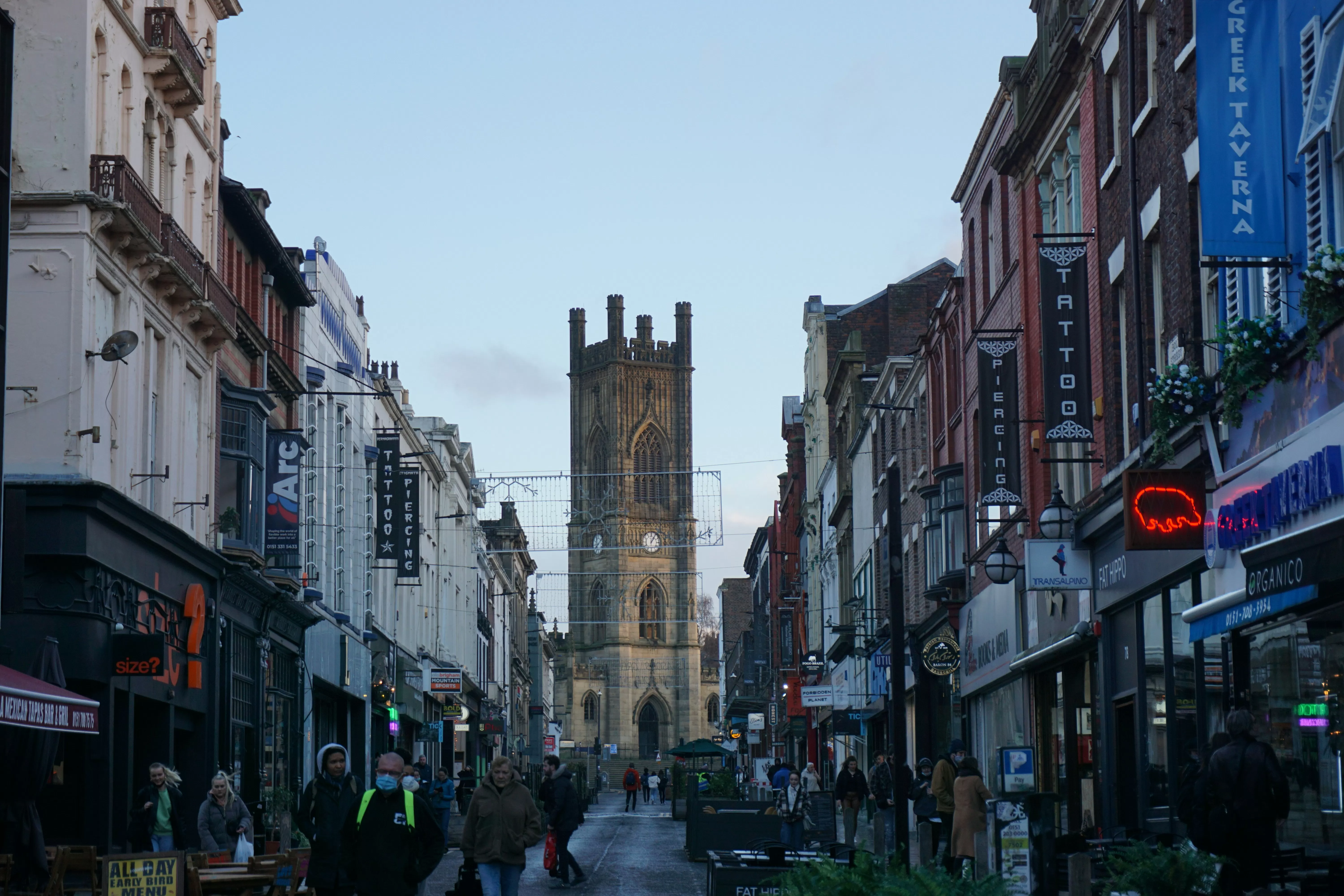
Retail properties in Liverpool range from high street shops to shopping centre units and leisure spaces. Popular zones include Liverpool One, Bold Street, and the Ropewalks area. Factors affecting retail property investment include footfall, tenant mix, lease length, and rental yields.
Retail units in prime locations typically secure strong long-term leases with established brands. Secondary streets or fringe areas may offer higher yields but carry increased vacancy risk. Consideration of future trends, such as e-commerce impact and experiential retail, is critical for long-term viability.
- Footfall Analysis: High pedestrian traffic areas maintain strong rental demand.
- Lease Terms: Long leases with credible tenants mitigate investment risk.
- Property Condition: Well-maintained properties reduce immediate refurbishment costs.
Investors should also account for business rates and local planning restrictions when purchasing retail property. Structured financial modeling helps assess net returns and potential exit strategies.
Buying Industrial Properties in Liverpool
Industrial and logistics properties are increasingly sought after in Liverpool due to e-commerce growth and regional distribution demand. Industrial estates in Speke, Bootle, and Knowsley offer units for warehousing, manufacturing, and logistics operations.
Key considerations for industrial property acquisitions include access to major transport routes, ceiling height, loading capacity, and zoning regulations. Units with modern facilities and flexible layouts attract a broader tenant base.
- Transport Connectivity: Proximity to the M62, Liverpool2 port, and rail links enhances operational efficiency.
- Unit Specification: High bay storage, large floor plates, and adequate parking are critical features.
- Tenant Stability: Long-term leases with blue-chip tenants reduce vacancy risk.
Industrial property investments in Liverpool often provide attractive rental yields compared with central office or retail assets, making them suitable for income-focused investors seeking steady cash flow.
Liverpool Commercial Property Market Trends
Liverpool’s commercial property market is currently shaped by strong demand in logistics and industrial sectors, steady office uptake, and selective retail investment. Key trends include:
- Industrial Growth: E-commerce expansion drives demand for warehousing and distribution facilities.
- Office Modernisation: Older office buildings are being refurbished to meet sustainability and flexible working requirements.
- Retail Adaptation: Retail investors increasingly focus on experiential stores and mixed-use developments.
- Rental Yield Patterns: Industrial yields typically range between 6–8%, city centre offices 4–6%, and prime retail 3–5%.
Understanding these trends helps investors align their strategies with sector-specific growth and risk factors.
Office, Retail, and Industrial Investment Comparison
Each commercial property type in Liverpool offers distinct risk and return profiles:
| Property Type | Typical Yield | Key Advantages | Key Risks |
|---|---|---|---|
| Office | 4–6% | Central locations, strong tenant demand, potential for capital appreciation | Lease voids, refurbishment costs, market oversupply |
| Retail | 3–5% | High street presence, stable anchor tenants, visibility | Footfall decline, e-commerce competition, variable rental growth |
| Industrial | 6–8% | High demand from logistics, lower vacancy, strong cash flow | Location sensitivity, specialised units may limit tenant pool |
This comparison helps investors choose property types that match their risk appetite, income expectations, and strategic objectives.
The Commercial Property Purchase Process
Purchasing commercial property in Liverpool involves a structured process, which typically includes:
- Market Research: Identify suitable locations, property types, and market trends.
- Property Viewing and Due Diligence: Inspect physical condition, leases, and tenant covenants.
- Valuation and Offer: Obtain independent valuations and submit offers conditional on finance and survey.
- Legal Checks: Conduct title search, planning compliance, and review lease agreements.
- Exchange and Completion: Formalise contracts, transfer funds, and register ownership.
Each step requires careful consideration of legal, financial, and operational factors to reduce risk and ensure long-term viability.
Financing and Costs of Buying in Liverpool
Commercial property acquisition involves multiple cost layers beyond the purchase price. Key considerations include:
- Stamp Duty Land Tax (SDLT): Scales vary by property value; additional rates may apply for corporate buyers.
- Professional Fees: Legal fees, surveyor reports, and broker commissions typically range between 1–3% of property value.
- Financing Costs: Commercial mortgages often require 25–40% deposits, with interest rates depending on lender and property type.
- Ongoing Operational Costs: Maintenance, insurance, utilities, and service charges affect net yields.
Accurate budgeting and financial modeling are essential for assessing investment returns and cash flow stability.
Common Mistakes When Buying Commercial Property
Investors often encounter avoidable errors during acquisition. Common pitfalls include:
- Insufficient Due Diligence: Overlooking lease agreements, planning restrictions, or structural issues can lead to unexpected costs.
- Ignoring Market Trends: Failing to account for sector growth, occupancy rates, or rental demand reduces long-term returns.
- Underestimating Costs: Professional fees, refurbishment, and operational expenses are sometimes miscalculated.
- Poor Location Analysis: Neglecting accessibility, tenant mix, and local economic drivers can compromise asset performance.
- Overleveraging: Excessive debt relative to income may limit flexibility and increase risk in market downturns.
A structured, research-driven approach mitigates these risks and aligns the purchase with investment goals.
Future Outlook for Liverpool Commercial Property
Liverpool’s commercial property market is expected to remain resilient, driven by urban regeneration, transport improvements, and growing demand in logistics and flexible office space. The continued development of Liverpool Waters and Baltic Triangle will support premium office and mixed-use projects, while e-commerce trends maintain strong demand for industrial units.
Investors should monitor:
- Urban Regeneration Projects: City centre developments may enhance capital growth potential.
- Transport Infrastructure: Upgrades to roads, ports, and rail networks influence industrial and office accessibility.
- Tenant Preferences: Flexible working and sustainable buildings will shape office demand.
- Retail Evolution: Experience-led retail and mixed-use schemes will drive prime location opportunities.
Strategic Tips for Buyers and Investors
Maximising the success of a commercial property purchase in Liverpool requires a combination of market knowledge, due diligence, and financial planning. Key strategies include:
- Conduct Local Market Analysis: Study supply, demand, and rental trends by district and property type.
- Engage Professional Advisors Early: Solicitors, surveyors, and mortgage brokers reduce legal and financial risks.
- Consider Future Use and Flexibility: Properties that can adapt to tenant changes or redevelopment opportunities increase long-term value.
- Financial Modelling: Include all acquisition, operating, and exit costs to forecast accurate returns.
- Risk Mitigation: Diversify property types or locations to balance income stability and capital growth potential.
Implementing these strategies ensures alignment with investment goals and minimises exposure to sector-specific risks.
Frequently Asked Questions
- What is the average yield for commercial property in Liverpool?
- Industrial properties typically yield 6–8%, offices 4–6%, and prime retail 3–5%, depending on location and tenant profile.
- Which areas of Liverpool are best for office investments?
- Key districts include the city centre, Baltic Triangle, and Liverpool Waters, offering modern facilities and strong tenant demand.
- What are the main costs involved in purchasing commercial property?
- Costs include purchase price, Stamp Duty Land Tax (SDLT), legal fees, surveyor fees, financing costs, and ongoing operational expenses.
- How can I reduce risk when investing in Liverpool commercial property?
- Conduct thorough due diligence, understand local market trends, budget accurately, and work with professional advisors to mitigate risks.
- Is Liverpool a good location for industrial property?
- Yes. Liverpool offers strong demand for logistics and warehousing, with excellent transport links via ports, motorways, and rail networks.
Key Takeaways
- Diverse Market: Liverpool offers office, retail, and industrial properties with distinct risk-return profiles.
- Location Matters: Proximity to transport, amenities, and regeneration areas significantly affects value and rental demand.
- Due Diligence is Crucial: Legal, financial, and operational reviews mitigate risks and ensure informed investment decisions.
- Trend Awareness: Understanding sector-specific trends, such as e-commerce or flexible offices, improves strategic positioning.
- Financial Planning: Accurate budgeting, professional advice, and risk management underpin successful commercial property acquisitions.
References
- CBRE, Liverpool Market Overview 2025
- Savills, Liverpool Commercial Property Report, 2025
- UK Government, Stamp Duty Land Tax Guidance
- Colliers International, Industrial Property Trends UK, 2025
- Local Enterprise Partnership, Liverpool City Economy Report, 2025