Buy a Property in Canada: Steps for Foreign Buyers and Costs
Apr 29, 2026
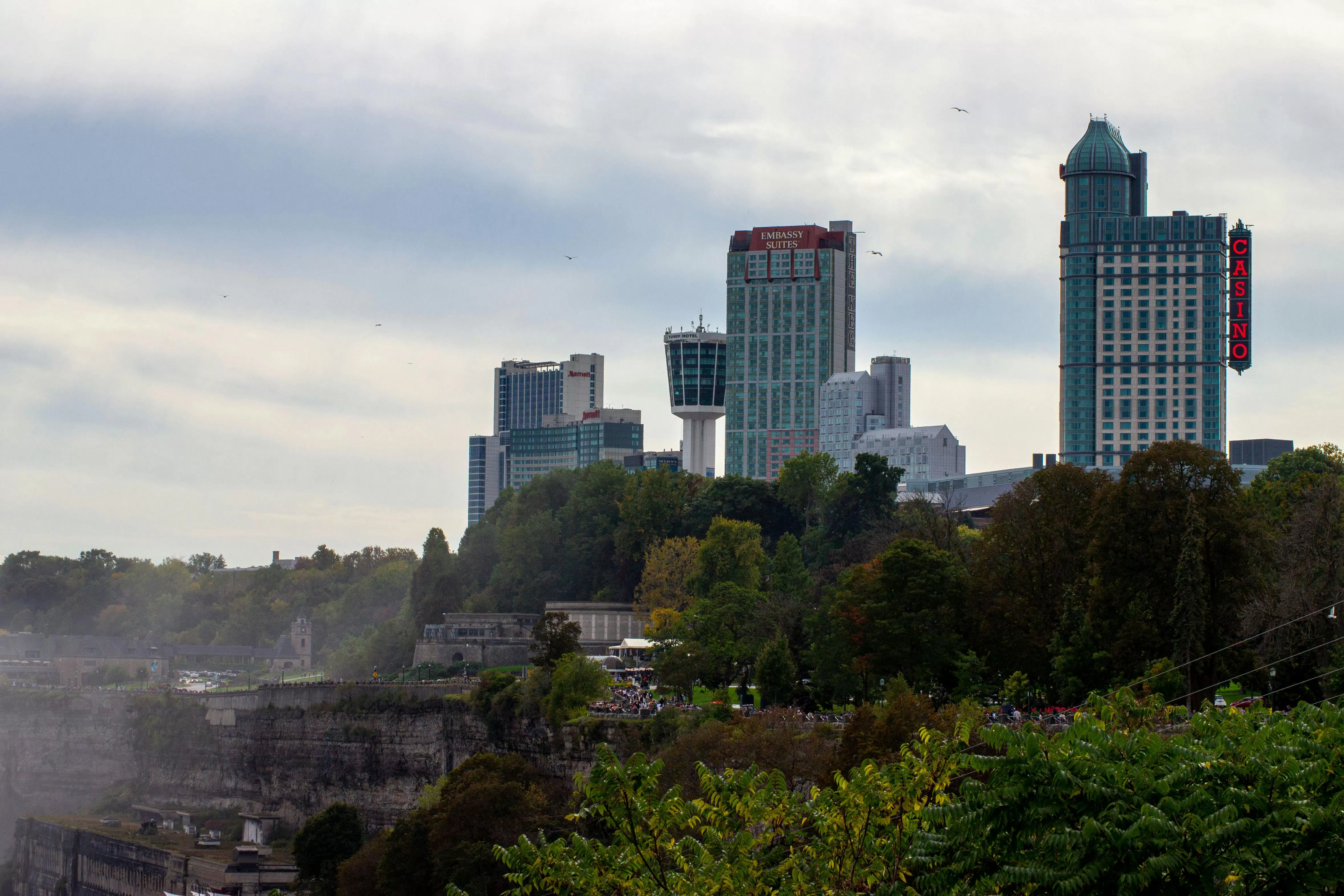
Dreaming of owning a home in Canada is not a unique thing for you. The combination of urban and natural life in the country entices people worldwide. Buying a home in Canada is a rising trend among countries of the world, whether it is an apartment in Toronto, a quiet place in Nova Scotia, or a property to invest in Canada.
The process may be confusing to people who are not Canadians. You may want to know: Is it possible to purchase a home in Canada? What steps do I need to take? How much does it cost?
We will give you the breakdown in plain language of the legal process, as well as the financial part, and then you will know just what to expect before you make that big jump.
Why Buy a Property in Canada?
Canada is a nation reputed to be stable and receptive. It provides security, good infrastructure, and a constant increase in property values.
To the investor, it is desirable since:- The price of properties has continued to increase.
- The large city rentals are firm.
- Money (currency) and economy remain stable as compared to most other countries.
- The standard of living is high, and there is a stable legal security given to homeowners in the country.
Owning property in Canada provides you with a sense of security and chance whether you are purchasing as an investment or as a second home.
Can Foreigners Buy Property in Canada?
Yeah, they, but there are limits which are new in the world.
The Prohibition on the Purchase of Residential Property by Non-Canadians Act temporarily prohibits the ability of some foreigners to purchase a domicile in Canada as of January 2023. The two-year ban is primarily imposed on individuals who are not Canadian citizens or permanent residents.
Nonetheless, exceptions exist:- Students or workers who are temporary residents can purchase property provided that they satisfy some rules.
- Refugees and individuals who are given special legal status in Canada are allowed to purchase property.
- Recreational property, like cottages or holiday residences in rural regions that are not within large cities, can be purchased by people who do not reside in Canada.
Summarily, foreign buyers may value their property; however, this relies on their status and the kind of property.
Understanding the Market in 2025
The Canadian housing market is gradually improving in 2025, following a downturn. The interest rates are becoming cheaper, and so the buyers are becoming more confident.
The prices of the homes vary considerably based on the area:
- Toronto: around CAD $1 million for detached homes.
- Vancouver: a bit high, typically higher than CAD $ 1.1 million.
- Calgary and Edmonton: It is significantly cheaper, estimated between CAD 500,000 to 600,000.
- Atlantic Canada: It is turning out to be a good value region, whereby its prices have an average of between CAD 350,000 and 450,000.
Rentals and long-term investments are also on the rise, and the prices are remaining constant, particularly in cities with good employment and a university.
Steps to Buying Property in Canada as a Foreigner
Purchasing property in a foreign country may appear difficult, yet it is very simple when one knows what to do. Here's how it works:
Decide on Your Purpose
Before you start, you need to determine the purpose of purchasing it, whether it is an investment, a vacation home, or a future home. This will assist you in the selection of the appropriate location and type of property. As an illustration, investors will favor cities such as Toronto or Calgary, whereas lifestyle purchasers will focus on small and picturesque localities.
Research the Location
Every province has different rules, taxes, and price trends.
- Ontario and British Columbia: are more expensive but offer high rental demand.
- Alberta: has no provincial land transfer tax and fewer foreign buyer taxes.
- Nova Scotia and Newfoundland: are ideal for affordable seaside living.
Spend time checking property portals, neighborhood data, and market insights before you choose.
Find a Local Real Estate Agent
The local agent is highly essential, particularly when buying in another country. They are familiar with the local market operation, local property regulation, and can guide you on errors that will cost you a lot.
Get agents who have experience in dealing with foreigners. They are already aware of the additional paperwork and regulations that you have to obey.
Get Your Financing in Order
Foreign buyers can usually get mortgages in Canada, but the requirements are stricter.
Here’s what to expect:- And you may require a larger down payment, which is normally around 35 per cent in the case of those who are not in the country.
- Supporters of loans will require you to present information about the amount you earn, your credit history, and bank account statements.
- The rates may vary for mortgages, and it is prudent to check various offers.
Some buyers also choose to pay in cash to avoid complex bank procedures, especially for smaller properties.
Hire a Real Estate Lawyer
In Canada, property purchases are completed through lawyers. Your lawyer handles:
- The legal review of the contract.
- Title verification to confirm ownership.
- Tax registration and compliance with local laws.
They ensure that your purchase is in accordance with provincial and federal standards, safeguarding your interests.
Make an Offer and Sign the Agreement
Once you have a house that you like, you place an offer with the help of your agent. Under the purchase agreement, which you will sign in case the offer is accepted, the purchase will have:
- The agreed price.
- Deposit details.
- Any conditions (like financing or inspection).
You’ll usually pay a deposit of 5–10% upfront. Once all conditions are met, the sale becomes firm.
Pay Closing Costs
Foreign buyers must budget for closing costs besides the purchase price. These may provide an increment of 3-5 per cent to the total price.
Here’s what they include:- Land Transfer Tax:It varies in every province. The Ontario, BC, and Quebec rates are different.
- Legal Fees: CAD $1,500–$3,000.
- Home Inspection: around CAD $400–$600.
- Property Appraisal: around CAD $300–$500.
- Adjustments: The seller pays in advance taxes and utilities.
Additional Costs for Foreign Buyers
Other provinces also require foreign purchasers to pay additional taxes:
- Foreign Buyer Tax (Non-Resident Speculation Tax): Ontario: 25% on residential property purchases by non-residents.
- British Columbia: 20% in specific regions like Vancouver, Victoria, and Kelowna.
- Annual Property Taxes: around 0.5%–2.5% of the property’s value, depending on location.
- Condo Maintenance Fees: if you’re buying an apartment.
Although the prices are high, a large number of foreign investors believe that Canada is a long-term safe market, and they put more value on stability rather than the short-term cost.
Rental and Investment Potential
In the case of a purchase that is an investment, the rental property business in Canada is also promising in 2025. The demand for rental houses is great due to immigration and the lack of houses for sale.
Rental yields range from:- 4–5% in major cities (Toronto, Vancouver).
- 5–7% in mid-sized cities (Calgary, Ottawa, Halifax).
In other locations, short-term rentals such as Airbnb are authorised, whereas in other locations they are controlled. Check local laws always before listing.
Tips for a Smooth Buying Experience
To buy your item without any problems:- Before you start searching for a house, get pre-approved to buy a mortgage.
- Confirm the exchange rate in case you are paying in a different currency.
- Ensure that you translate and certify all your documents.
- See the house with your own eyes or have a virtual tour of the house before you put your signature.
- Budget continual expenses like insurance, maintenance and taxes.
Living or Investing in Canada: Which Option Fits You?
When you are going to relocate in the future, look at houses around amenities required, transportation, and schools. The good job market and affordable housing can be found in cities like Ottawa and Calgary.
In case you would like to invest, the focus should be on the amount of rent, which you will be receiving, and the future increase in value. Locations such as Hamilton, Halifax, and Edmonton are good since they can expand more and are cheaper to establish.
The Legal Side to Remember
Laws of property ownership are definite in Canada. You shall be given a freehold, which implies that you are the full owner of the property.
However:- Property ownership doesn’t automatically grant residency or citizenship.
- Taxes must be reported correctly, even if you’re abroad.
- Rental income earned in Canada is taxable.
Always consult both a real estate lawyer and a tax advisor familiar with foreign investment to stay compliant.
Why Work with Experts
While online research is helpful, local professionals add clarity.- A real estate agent finds you the right property.
- A mortgage broker helps secure financing at the best rate.
- A lawyer ensures the deal is safe.
Together, they protect your investment and guide you through every step, especially when you’re buying from overseas.
Final Thoughts
As a foreigner, one can purchase a house in Canada. Good planning and knowledge are required. You have to first make a decision on why you want it, research the territory, and have a realistic budget. Take domestic specialists who understand the market and the law.
Canada is a stable, emerging property market. A Canadian property is a sound addition to your global assets, whether you purchase to live, to invest, or to relocate.
It is one intelligent decision after the other, and with few steps, some tolerance, and proper guidance, your dream house in Canada can translate to becoming what it was merely an idea.