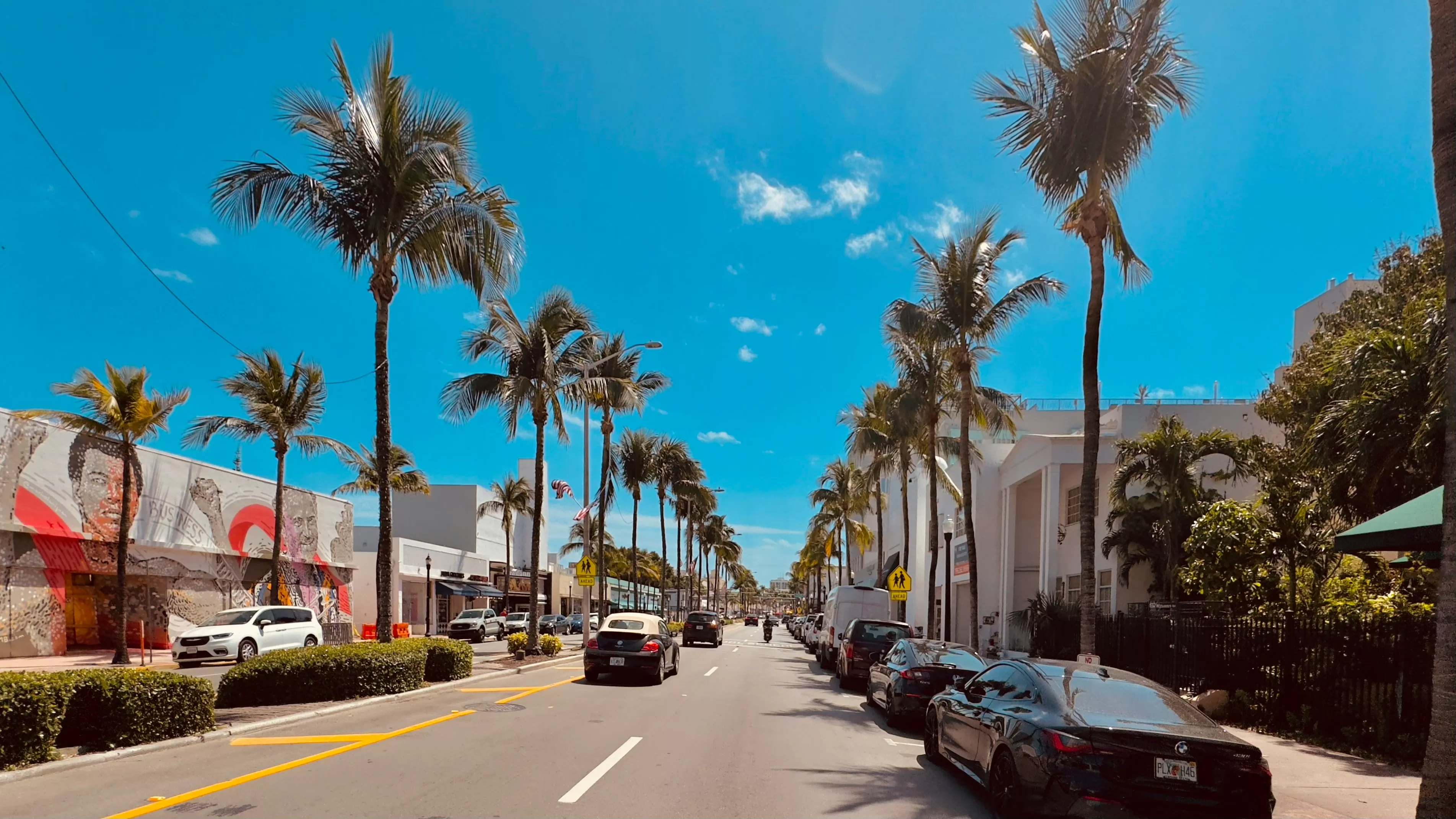
The best time to buy a house in Florida is typically between late summer and early fall (August through October), when inventory remains relatively high, but buyer competition declines, often leading to better pricing and negotiation leverage. However, the optimal timing depends on your priorities—whether that’s securing the lowest price, the widest selection, or favourable financing conditions. Understanding Florida’s seasonal housing cycles, migration patterns, and climate-driven demand shifts is essential before making a purchase decision.
Why Timing Matters in Florida Real Estate
Timing significantly affects price, inventory availability, negotiation power, and overall transaction experience in Florida’s housing market. Unlike many states, Florida’s real estate cycles are influenced not only by economic conditions but also by tourism patterns, seasonal migration, and weather-related risks such as hurricanes.
Florida experiences a strong influx of seasonal residents, often referred to as “snowbirds”, during the winter months. This temporary population increase drives housing demand upward, particularly in coastal and retirement-focused areas. As demand rises, sellers are less inclined to negotiate, and properties often sell faster and closer to the asking price.
In contrast, during late summer and early fall, many of these seasonal buyers leave, and local families are less active due to school schedules and weather concerns. This creates a temporary imbalance where inventory remains available, but buyer demand softens. For informed buyers, this window can present opportunities to negotiate better terms.
Another critical factor is mortgage rate volatility. While seasonal trends influence supply and demand, financing conditions often have an equal or greater impact on affordability. A lower interest rate environment can offset higher home prices, while higher rates may reduce purchasing power even if prices decline.
In practical terms, timing your purchase means aligning three variables: market activity, inventory levels, and financing conditions. Missing the optimal alignment can result in higher costs or fewer choices.
Florida Housing Market by Season: What to Expect
Florida’s real estate market follows a predictable seasonal rhythm. Each period of the year offers distinct advantages and trade-offs, and understanding these patterns helps buyers make informed decisions.
Winter (December to February): Peak Demand and Premium Pricing
Winter is the busiest season for Florida real estate. Buyers from colder regions actively search for second homes, retirement properties, or relocation opportunities. Demand peaks during this period, particularly in coastal cities and areas with strong lifestyle appeal.
Homes tend to sell quickly, often with multiple offers. Sellers are less flexible on pricing and concessions, and buyers may need to act decisively. While inventory can be high due to increased listings, the competition offsets any advantage this might provide.
This season suits buyers who prioritise selection and are prepared to compete aggressively, rather than those seeking discounts.
Spring (March to May): High Activity with Balanced Opportunities
Spring continues the momentum from winter but introduces more balance into the market. Families aim to purchase homes before the next school year, contributing to sustained demand.
Inventory is typically at its highest during this period, giving buyers a broader range of options. However, prices remain relatively strong due to continued competition. Sellers may be slightly more open to negotiation compared to winter, but not significantly.
This season is ideal for buyers who want a mix of choice and reasonable negotiating conditions without waiting for later in the year.
Summer (June to August): Transition Phase with Mixed Signals
Summer represents a transitional phase. Early summer still sees active buyers, especially families completing moves before the school year begins. By mid-to-late summer, demand starts to taper off.
At the same time, inventory may remain elevated because properties listed in spring have not yet sold. This creates an environment where some sellers begin adjusting expectations, especially if their listings have been on the market for an extended period.
Buyers during this phase may encounter motivated sellers, particularly in late summer. Still, they should also account for weather-related risks such as hurricane season, which can influence inspections, insurance costs, and transaction timelines.
Fall (September to November): Buyer Advantage Window
Fall is widely considered one of the most favourable periods for buyers in Florida. Demand drops significantly after summer, while inventory often remains sufficient because unsold listings carry over from earlier months.
Sellers during this period are more likely to negotiate on price, closing costs, or contingencies. Properties that have lingered on the market may be priced more competitively, creating opportunities for value-focused buyers.
While selection may not be as extensive as in spring, the reduced competition often outweighs this limitation for many buyers.
Best Months to Buy a House in Florida Based on Your Goals
The best time to buy a house in Florida depends on what you prioritise: price, inventory, negotiation leverage, or timing convenience. Each goal aligns with different months in Florida’s housing cycle.
If Your Priority Is the Lowest Price
The most favourable months for price negotiations are typically August, September, and October. During this period, sellers are more motivated due to reduced buyer activity and properties lingering on the market. Price reductions, seller concessions, and flexible closing terms are more common.
Buyers willing to navigate potential weather-related challenges and a slightly reduced inventory can often secure better financial outcomes during these months.
If Your Priority Is the Most Inventory
March through May offers the widest selection of available homes. This period aligns with peak listing activity, giving buyers more options across price ranges and property types.
However, increased choice comes with increased competition. Buyers should be prepared to move quickly and make strong offers when they find suitable properties.
If Your Priority Is Less Competition
September and October stand out as months with the least buyer competition. Many seasonal buyers have left, and local demand is subdued. This creates a more relaxed buying environment where decisions can be made with less pressure.
Fewer competing offers often translate into greater negotiating power and a smoother transaction process.
If Your Priority Is Timing Convenience
Families and owner-occupiers often prefer late spring and early summer purchases to align with school calendars and relocation schedules. While this may not be the most cost-effective timing, it offers logistical advantages that are important for many households.
In these cases, buyers should focus on preparation, such as pre-approval and market research, to remain competitive in a more active market.
Ultimately, aligning your purchase timing with your financial goals and lifestyle needs is more effective than trying to “time the market” perfectly. Seasonal trends provide guidance, but individual circumstances should drive the final decision.
How Mortgage Rates Influence Timing Decisions
Mortgage interest rates often have a greater impact on affordability than seasonal price fluctuations. A small increase in rates can significantly raise monthly payments, sometimes offsetting any savings achieved by buying during a lower-demand season.
For example, a buyer waiting for fall price reductions may benefit from lower listing prices, but if interest rates rise during that period, the total cost of ownership could increase. Conversely, buying in a higher-priced spring market with lower rates may result in better long-term affordability.
Buyers should evaluate timing through a combined lens: home price trends and borrowing costs. Locking in a favourable rate can be more valuable than negotiating a slightly lower purchase price. Pre-approval and rate monitoring are essential, especially in volatile financial conditions.
It is also important to consider the loan type. Fixed-rate mortgages provide stability in uncertain markets, while adjustable-rate options may offer lower initial rates but carry long-term risk. Timing your purchase without considering the financing structure can lead to avoidable financial strain.
Regional Differences Across Florida Markets
Florida is not a uniform housing market. Seasonal trends vary depending on location, property type, and buyer demographics. Understanding these regional differences helps refine timing decisions.
South Florida (Miami, Fort Lauderdale, West Palm Beach)
This region experiences strong international demand and year-round activity. While seasonal patterns still exist, they are less pronounced. Winter remains competitive, but opportunities can appear throughout the year due to the continuous inflow of buyers and investors.
Luxury and waterfront properties often behave differently from mid-market homes, with less sensitivity to seasonal price swings and more reliance on global economic conditions.
Central Florida (Orlando and Surrounding Areas)
Central Florida is heavily influenced by domestic migration, tourism employment, and family relocation patterns. Spring and early summer are particularly active due to school schedules and job transitions.
Late summer and fall provide better negotiation opportunities, especially for suburban single-family homes where inventory may exceed demand after peak relocation season.
Gulf Coast (Tampa, Sarasota, Naples)
The Gulf Coast sees strong seasonal demand from retirees and second-home buyers. Winter and early spring are highly competitive, while late summer and fall offer better pricing conditions.
In markets like Naples, where luxury and retirement properties dominate, timing may also depend on broader economic cycles rather than purely seasonal factors.
North Florida (Jacksonville and Panhandle)
North Florida tends to be more stable and less influenced by seasonal migration compared to southern regions. Price fluctuations are generally less dramatic, and buyers may find consistent opportunities throughout the year.
However, even in these markets, late summer and fall still offer relative advantages in terms of negotiation and reduced competition.
Key Costs Buyers Must Factor In Beyond Timing
Timing alone does not determine the true cost of buying a home in Florida. Several additional expenses can influence affordability and should be evaluated alongside seasonal trends.
Property Insurance
Insurance costs in Florida are significantly higher than the national average due to hurricane risk and climate exposure. Premiums can vary based on location, property age, and construction type. Buying during hurricane season may also affect inspection timelines and insurance approvals.
Property Taxes
Florida’s property tax structure varies by county, and reassessments after purchase can increase the tax burden. Buyers should review estimated post-purchase taxes rather than relying solely on the current owner’s tax bill.
Closing Costs
Closing costs in Florida typically include lender fees, title insurance, recording fees, and prepaid expenses. These costs generally range between 2% and 5% of the purchase price and can sometimes be negotiated, particularly in slower market periods.
Maintenance and HOA Fees
Many Florida properties, especially condos and planned communities, include homeowners' association fees. These can vary widely and should be factored into long-term affordability calculations.
Seasonal timing may influence the ability to negotiate seller contributions toward these costs, particularly in late summer and fall when sellers are more motivated.
Legal and Transactional Steps in Florida
Understanding the legal process is essential for timing your purchase effectively. Florida follows a structured but relatively fast-moving transaction framework.
Offer and Contract
Once a suitable property is identified, buyers submit an offer outlining price, contingencies, and timelines. In competitive seasons, offers may need to be stronger and include fewer contingencies.
Inspection Period
After contract acceptance, buyers typically have a defined inspection period. In Florida, inspections often include structural evaluation, pest inspection, and assessment of hurricane-related features such as roofing and windows.
Financing and Appraisal
Lenders require property appraisals to confirm value. Delays can occur during peak seasons due to high transaction volume, making timing an important consideration for closing schedules.
Closing
Closings in Florida are often handled by title companies. The process includes finalising financing, completing documentation, and transferring ownership. Buyers should plan for potential delays during busy periods and allow flexibility in their timelines.
Common Timing Mistakes Buyers Make
Many buyers focus solely on seasonal price trends without considering broader market dynamics. This can lead to suboptimal decisions.
Waiting Too Long for the “Perfect” Time
Trying to perfectly time the market often results in missed opportunities. Prices, interest rates, and inventory rarely align perfectly, and waiting can lead to higher overall costs.
Ignoring Financing Conditions
Focusing only on home prices without accounting for mortgage rates can distort affordability calculations. Buyers should prioritise total cost rather than headline price.
Overlooking Local Market Differences
Applying statewide trends to specific cities or neighbourhoods can lead to inaccurate expectations. Local conditions often diverge from broader patterns.
Underestimating Seasonal Risks
Buying during hurricane season without proper due diligence can result in unexpected insurance costs or delays. Seasonal risks should be incorporated into decision-making.
A disciplined approach that combines market timing, financial readiness, and local knowledge is more effective than relying on seasonal trends alone.
Best Time to Buy for Investment vs Primary Residence
The ideal purchase timing differs depending on whether the property is intended as a primary residence or an investment asset. Each category has distinct priorities, risk tolerance levels, and return expectations.
For Primary Residence Buyers
Owner-occupiers typically prioritise lifestyle alignment over strict price optimisation. Factors such as school calendars, job relocation timelines, and family needs often dictate purchase timing.
While late summer and fall may offer pricing advantages, buyers should not delay a purchase if it disrupts essential life transitions. In many cases, securing the right property at the right time for personal needs outweighs marginal financial gains.
For Real Estate Investors
Investors focus more on entry price, rental yield potential, and long-term appreciation. Late summer and early fall are generally more favourable for investors due to reduced competition and increased seller flexibility.
Additionally, investors often benefit from targeting properties that have been on the market longer, as these sellers are more likely to accept below-list offers or provide concessions.
Seasonality also affects rental demand. In tourist-driven areas, winter may generate higher short-term rental income, while long-term rental markets remain relatively stable year-round.
Timing Differences: New Construction vs Resale Homes
The timing strategy for purchasing new construction differs significantly from buying an existing home. Builders operate on production cycles rather than seasonal listing patterns.
New Construction Homes
Builders may offer incentives at the end of fiscal quarters or during slower sales periods, which often align with late summer and year-end. These incentives can include closing cost assistance, design upgrades, or interest rate buydowns.
However, pricing for new homes is typically less flexible than resale properties. Buyers should focus on negotiating value through incentives rather than expecting large price reductions.
Resale Homes
Resale properties follow traditional seasonal trends more closely. Sellers are influenced by market demand, personal timelines, and property exposure duration.
As a result, resale buyers have greater opportunities for price negotiation during off-peak seasons, particularly when listings remain unsold for extended periods.
Choosing between new and resale properties should factor in not only timing but also construction quality, location, and long-term maintenance considerations.
Market Signals That Indicate a Good Buying Opportunity
Beyond seasonal timing, specific market indicators can signal favourable buying conditions. Monitoring these signals allows buyers to act strategically rather than relying solely on calendar-based assumptions.
Rising Inventory Levels
An increase in available listings suggests that supply is outpacing demand. This typically leads to longer listing durations and greater pricing flexibility.
Extended Days on Market
When properties remain unsold for longer periods, sellers may become more willing to negotiate. This is especially common in late summer and fall.
Price Reductions
Frequent price reductions indicate that initial listing prices may have been overly optimistic. Buyers can use this trend to identify motivated sellers.
Lower Buyer Activity
Reduced showing activity and fewer competing offers create a more favourable environment for buyers to negotiate terms and conduct due diligence without pressure.
Combining these signals with seasonal trends provides a more accurate framework for identifying optimal purchase windows.
Frequently Asked Questions
Is winter a bad time to buy a house in Florida?
No, but it is typically more competitive. Winter offers strong inventory but higher prices and less negotiation flexibility due to increased demand.
What is the cheapest month to buy a house in Florida?
September and October are often the most cost-effective months due to lower demand and increased seller motivation.
Does hurricane season affect home buying?
Yes. Hurricane season can impact inspections, insurance costs, and closing timelines. Buyers should conduct thorough due diligence during this period.
Should I wait for prices to drop before buying?
Waiting for price drops can be risky if interest rates rise simultaneously. Buyers should consider overall affordability rather than focusing solely on price.
Is Florida a good long-term real estate investment?
Florida remains attractive due to population growth, tax advantages, and strong demand, but outcomes depend on location, timing, and property type.
Key Takeaways
- Seasonal Advantage: Late summer and early fall typically offer the best opportunities for negotiation and lower prices.
- Inventory Peaks: Spring provides the widest selection but comes with increased competition.
- Financing Matters: Mortgage rates can outweigh seasonal price advantages in determining affordability.
- Regional Variation: Market conditions differ across Florida, requiring location-specific analysis.
- Strategy Over Timing: Aligning purchase timing with financial readiness and personal goals is more effective than trying to perfectly time the market.
References
- Florida Realtors Market Reports
- U.S. Census Migration Data
- Federal Housing Finance Agency (FHFA)
- National Association of Realtors (NAR)
- Consumer Financial Protection Bureau (CFPB)