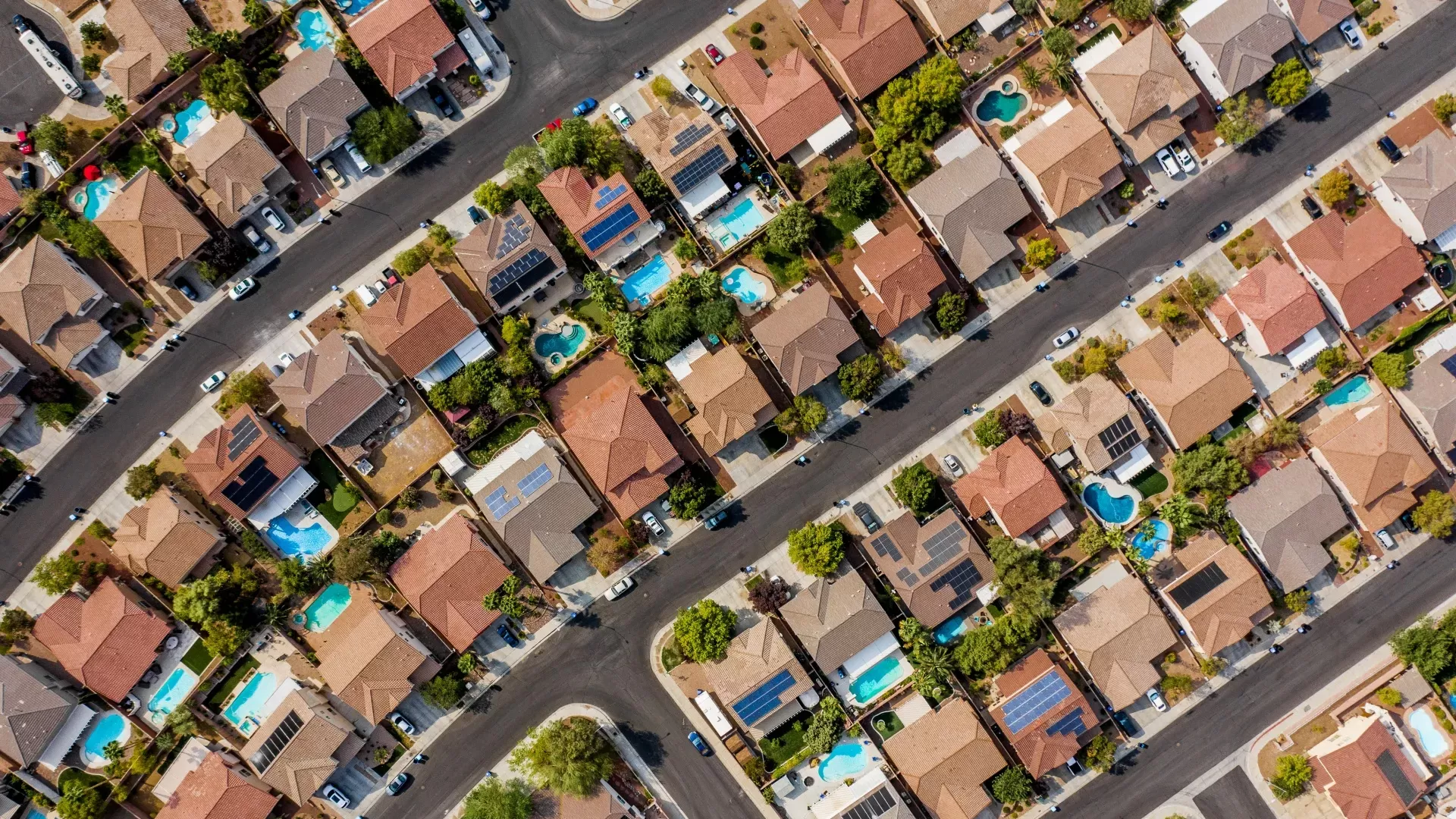
The best neighborhoods in Houston to buy a house depend on whether the goal is long-term family living, rental income, or property appreciation. Areas such as The Woodlands, Katy, Sugar Land, Memorial, and Cypress consistently rank among the strongest choices because they combine strong schools, stable property values, infrastructure development, and steady housing demand. For investors, locations like Midtown, EaDo (East Downtown), and Spring Branch offer faster appreciation potential and growing rental markets due to proximity to employment centers. Understanding how each neighborhood performs in terms of pricing, safety, schools, commuting, and future development is essential before making a purchase decision in Houston’s highly diverse housing market.
Why Houston Is One of the Most Attractive Housing Markets in the U.S.
Houston remains one of the most attractive real estate markets in the United States because it combines strong population growth, diversified employment sectors, relatively affordable home prices compared with other major metros, and ongoing infrastructure expansion. These factors sustain both homebuyer demand and rental demand, making the city appealing to families and property investors alike.
Unlike many large metropolitan areas, Houston offers extensive housing inventory across multiple price ranges. Buyers can find suburban family homes, master-planned communities, townhomes near business districts, and investment properties in redevelopment corridors. This diversity allows buyers to match their financial goals with specific neighborhoods rather than competing within a single concentrated housing market.
Employment stability is another key driver of Houston’s real estate demand. The city hosts major employers across energy, healthcare, aerospace, logistics, and technology sectors. Large employment hubs such as the Texas Medical Center, Downtown Houston, and the Energy Corridor attract a steady flow of professionals relocating to the region. As a result, nearby residential areas experience consistent housing demand and long-term property value resilience.
Population growth continues to influence neighborhood expansion. Suburbs like Katy, Cypress, and The Woodlands have developed rapidly because families seek larger homes, quality schools, and newer infrastructure while maintaining commuting access to employment centers. At the same time, inner-city districts like Midtown and EaDo have become attractive to younger professionals and investors seeking urban living and rental opportunities.
| Market Driver | Impact on Homebuyers | Impact on Investors |
|---|---|---|
| Population Growth | More housing developments and suburban expansion | Rising rental demand and occupancy rates |
| Diverse Job Market | Stable employment opportunities | Lower vacancy risk in strong job corridors |
| Relative Affordability | Access to larger homes compared with coastal cities | Lower entry price for rental properties |
| Infrastructure Development | Improved commute and transportation access | Potential for appreciation in growing districts |
For buyers evaluating Houston neighborhoods, these economic fundamentals matter more than short-term market fluctuations. Areas with strong schools, employment accessibility, and ongoing development tend to maintain demand even when broader housing conditions change.
How to Choose the Right Houston Neighborhood for Families or Investors
Choosing the right neighborhood in Houston requires evaluating several practical factors, including property prices, commute times, school quality, local amenities, and long-term development plans. These factors affect both daily quality of life for families and financial performance for investors.
For families purchasing a primary residence, access to reputable school districts often becomes the most influential factor. Communities located within highly rated districts such as Katy ISD, Fort Bend ISD, and Conroe ISD typically maintain strong property values because demand from relocating families remains consistent.
Commute time is another critical consideration. Houston’s geographic size means travel distances can be substantial. Neighborhoods closer to major employment centers—such as Downtown, the Texas Medical Center, and the Energy Corridor—often command higher home prices but reduce daily commuting time.
Investors, however, often prioritize different indicators. Rental demand, property appreciation potential, and neighborhood redevelopment plans carry more weight when evaluating investment opportunities. Urban districts undergoing revitalization frequently provide stronger appreciation potential, although they may involve higher risk or longer timelines before property values increase significantly.
Primary Factors to Evaluate Before Buying in Houston
- School District Performance: Affects both resale value and long-term neighborhood stability.
- Access to Employment Hubs: Shorter commutes increase demand from both homeowners and renters.
- Property Tax Rates: Texas relies heavily on property taxes, which can significantly influence ownership costs.
- Flood Risk and Drainage Infrastructure: Certain Houston areas are more flood-prone than others.
- Future Infrastructure or Commercial Development: New highways, retail centers, or transit lines often increase property demand.
- Neighborhood Age and Redevelopment Activity: Older districts sometimes offer appreciation potential through renovation or redevelopment.
Evaluating these elements together provides a clearer picture of a neighborhood’s long-term viability. For example, a suburb with excellent schools and new infrastructure may appeal strongly to families, while an inner-city district near nightlife, employment centers, and transit may attract renters and young professionals.
In many cases, buyers compare multiple Houston neighborhoods before selecting a property because the metropolitan area contains hundreds of residential communities, each with different pricing structures, zoning patterns, and development timelines.
Best Neighborhoods in Houston for Families Buying a Home
Families purchasing a home in Houston typically prioritize safety, school quality, community amenities, and long-term housing stability. Several suburban and master-planned communities consistently rank among the most desirable family neighborhoods because they combine these factors with modern housing developments and recreational facilities.
The Woodlands
The Woodlands is widely recognized as one of the most desirable family communities in the Houston metropolitan area. Located approximately 30 miles north of Downtown Houston, it was designed as a master-planned community with residential villages, parks, shopping districts, and corporate offices integrated into a single development.
The neighborhood attracts families because of its strong public schools within Conroe Independent School District, extensive green spaces, and well-maintained infrastructure. The area includes more than 200 miles of walking and biking trails, numerous parks, and family-oriented recreational facilities.
Housing options range from townhomes and starter homes to large luxury properties. Although home prices tend to be higher than many Houston suburbs, long-term property value stability remains one of the community’s strongest advantages.
Katy
Katy has become one of the fastest-growing suburban housing markets in the Houston region. Located west of the city, the area is especially popular among families because of the highly regarded Katy Independent School District and the availability of modern master-planned communities.
Neighborhoods such as Cinco Ranch, Elyson, and Firethorne offer large homes, community pools, walking trails, and neighborhood schools. These amenities create an environment that appeals strongly to households seeking suburban living with access to nearby employment corridors like the Energy Corridor and West Houston.
Katy’s continued residential development also provides buyers with a wide range of housing options, including new construction homes, resale properties, and gated communities. This variety allows buyers to select homes that match both lifestyle needs and budget constraints.
Sugar Land
Sugar Land, located southwest of Houston, is another consistently ranked family-friendly community. The area benefits from strong public schools in Fort Bend Independent School District, well-developed retail centers, and numerous parks and recreational amenities.
Many families choose Sugar Land because the community offers a balanced suburban environment with convenient access to Houston’s employment centers. Major highways allow relatively straightforward commuting to Downtown Houston and the Texas Medical Center.
The local housing market includes established neighborhoods as well as newer master-planned communities such as Riverstone and Telfair. These developments often feature lakes, parks, walking trails, and community centers that support long-term residential stability.
| Neighborhood | Key Advantages | Typical Home Environment |
|---|---|---|
| The Woodlands | Top schools, master-planned design, extensive green space | Large suburban homes and planned villages |
| Katy | Highly rated school district, rapid development | Modern master-planned communities |
| Sugar Land | Strong schools, mature infrastructure | Established suburban neighborhoods |
These neighborhoods represent some of the most stable housing environments for families in the Houston metropolitan area. Their combination of education quality, community planning, and infrastructure investment continues to attract long-term homeowners.
Best Neighborhoods in Houston for Real Estate Investors
Several Houston neighborhoods attract real estate investors because of strong rental demand, redevelopment activity, and proximity to employment centers. Areas such as Midtown, East Downtown (EaDo), and Spring Branch stand out due to their growing populations, expanding infrastructure, and increasing property values.
Midtown
Midtown is one of Houston’s most active urban residential districts and has become a focal point for rental housing demand. Located directly south of Downtown Houston, the neighborhood attracts young professionals who work in nearby business districts but prefer walkable communities with restaurants, nightlife, and entertainment.
For investors, Midtown offers strong rental potential due to the concentration of apartment buildings, townhomes, and condominiums. Properties located near light rail stations and major employment hubs often maintain higher occupancy rates because tenants value short commuting distances.
Although property prices in Midtown are higher than in many suburban areas, consistent demand from renters helps maintain steady investment performance.
East Downtown (EaDo)
East Downtown, commonly called EaDo, has undergone significant transformation over the past decade. Formerly an industrial district, the area now features new residential developments, entertainment venues, and infrastructure upgrades.
Investors frequently target EaDo because redevelopment projects continue to reshape the neighborhood. New townhomes and mid-rise apartment buildings have been constructed near sports venues and entertainment districts, increasing the area's appeal to renters and young professionals.
The neighborhood’s proximity to Downtown Houston also supports long-term appreciation potential. As urban development continues, property demand may expand further within this corridor.
Spring Branch
Spring Branch is located northwest of Downtown Houston and represents a transitional market where older housing stock is gradually being replaced with newer construction homes and townhomes. This process of redevelopment often attracts investors seeking properties with renovation or rebuilding potential.
The neighborhood benefits from convenient access to the Energy Corridor, major highways, and employment centers. Because of its location, demand from both homeowners and renters has increased as redevelopment progresses.
Investors often purchase older homes in Spring Branch for renovation or redevelopment projects, which can increase property value over time when executed carefully.
| Neighborhood | Primary Investment Appeal | Typical Property Types |
|---|---|---|
| Midtown | Strong rental demand near Downtown | Condos, townhomes, apartments |
| EaDo | Urban redevelopment and appreciation potential | Townhomes, modern residential developments |
| Spring Branch | Redevelopment and renovation opportunities | Older homes, new construction infill |
Suburban vs Inner-City Houston: Which Is Better for Buying Property?
Choosing between suburban and inner-city neighborhoods in Houston depends largely on lifestyle priorities, investment strategy, and commuting preferences. Each option offers distinct advantages and trade-offs that buyers should consider carefully before purchasing a home.
Advantages of Suburban Neighborhoods
Suburban areas such as Katy, Cypress, and Sugar Land tend to attract families who want larger homes, quieter streets, and access to highly rated school districts. These communities often include master-planned developments with parks, recreation centers, and neighborhood retail areas.
Homes in suburban Houston are typically larger than properties in central districts, and new construction homes are widely available. Families often prefer these areas because they provide more living space and community-oriented environments.
Advantages of Inner-City Neighborhoods
Inner-city districts such as Midtown, Montrose, and EaDo appeal to buyers who prioritize proximity to employment centers, cultural attractions, and urban amenities. Residents in these areas often enjoy shorter commutes and walkable access to restaurants, entertainment, and public transit.
For investors, inner-city properties frequently generate strong rental demand because many professionals prefer living close to work and entertainment districts.
| Factor | Suburban Neighborhoods | Inner-City Neighborhoods |
|---|---|---|
| Home Size | Larger single-family homes | Condos, townhomes, smaller houses |
| Commute | Longer travel times to Downtown | Shorter commute to employment centers |
| Lifestyle | Family-oriented communities | Urban amenities and nightlife |
| Investment Potential | Stable long-term demand | Higher rental demand and redevelopment |
For many buyers, the decision ultimately depends on personal priorities. Families often prefer suburban environments with strong schools, while investors and young professionals may focus on central neighborhoods with stronger rental demand.
Home Price Comparison Across Popular Houston Neighborhoods
Home prices in Houston vary significantly depending on location, property type, and neighborhood amenities. Suburban master-planned communities often offer newer homes with larger lots, while central districts tend to feature smaller but more expensive properties due to their proximity to employment centers.
| Neighborhood | Typical Price Range | Buyer Profile |
|---|---|---|
| The Woodlands | $400,000 – $900,000+ | Families seeking master-planned communities |
| Katy | $350,000 – $700,000 | Growing families and suburban buyers |
| Sugar Land | $400,000 – $800,000 | Families prioritizing strong school districts |
| Midtown | $300,000 – $650,000 | Urban professionals and investors |
| EaDo | $320,000 – $700,000 | Buyers seeking appreciation potential |
These price ranges fluctuate depending on property size, construction age, and local demand. Buyers should also consider additional costs such as property taxes, homeowner association fees, and insurance when evaluating affordability.
Common Mistakes Buyers Make When Choosing a Houston Neighborhood
Many homebuyers focus heavily on property price while overlooking other factors that influence long-term satisfaction and financial outcomes. Understanding common mistakes can help buyers avoid costly decisions when purchasing property in Houston.
- Ignoring Flood Risk: Some Houston neighborhoods are more vulnerable to flooding. Reviewing FEMA flood maps and local drainage history is essential before purchasing.
- Underestimating Commute Times: Houston’s large metropolitan area can make daily travel significantly longer than expected.
- Overlooking Property Tax Rates: Texas property taxes vary by county and district, which can substantially affect annual ownership costs.
- Not Researching Future Development: Planned highways, commercial centers, or zoning changes can influence property values.
- Skipping Neighborhood Visits at Different Times: Traffic patterns, noise levels, and activity can vary throughout the day.
Conducting thorough neighborhood research and consulting local real estate professionals can help buyers identify areas that match both lifestyle needs and long-term investment goals.
Emerging Houston Neighborhoods With Future Growth Potential
Several Houston neighborhoods are gaining attention because of infrastructure investment, redevelopment activity, and expanding residential demand. Buyers and investors often monitor these areas because early purchases in developing neighborhoods can lead to stronger long-term appreciation if growth continues.
Garden Oaks / Oak Forest
Garden Oaks and Oak Forest are located northwest of Downtown Houston and have experienced steady redevelopment in recent years. Originally developed in the mid-20th century, the neighborhoods feature large lots and mature trees, which attract buyers interested in renovating older homes or building new custom properties.
The area’s proximity to major highways and employment centers has increased demand from professionals seeking suburban-style housing within relatively short commuting distance of Downtown. New restaurants, retail spaces, and residential construction have gradually reshaped the neighborhood while maintaining its established community character.
Independence Heights
Independence Heights is one of Houston’s historically significant neighborhoods and has become an area of increasing redevelopment interest. Located just north of Downtown Houston, the neighborhood has seen new townhome developments and small-scale residential construction projects over the past decade.
Investors monitor this area because its central location and available land parcels create opportunities for redevelopment. As new housing projects continue to appear, property demand may gradually strengthen within the district.
Second Ward (East End)
The East End, including Second Ward, has experienced gradual revitalization due to cultural investment, transportation improvements, and proximity to Downtown Houston. New residential developments, restaurants, and community spaces have expanded the neighborhood’s appeal.
Light rail access and expanding commercial corridors have made the East End more accessible for residents commuting to central Houston. Buyers interested in urban neighborhoods with redevelopment potential often evaluate properties within this district.
| Neighborhood | Growth Driver | Buyer Interest |
|---|---|---|
| Garden Oaks / Oak Forest | Home renovation and custom home construction | Professionals and move-up buyers |
| Independence Heights | Urban redevelopment near Downtown | Investors and developers |
| Second Ward (East End) | Transit access and cultural investment | Urban buyers and rental investors |
While emerging neighborhoods can present opportunities, buyers should research zoning changes, infrastructure plans, and development timelines before purchasing property in areas undergoing transition.
Step-by-Step Process for Buying a House in Houston
Buying a home in Houston involves several steps that ensure buyers select the right property, secure financing, and complete the transaction legally. Understanding the process helps reduce delays and unexpected costs during the purchase.
1. Determine Budget and Financing
Most buyers begin by reviewing their financial position and obtaining mortgage pre-approval from a lender. Pre-approval establishes an estimated borrowing limit and signals to sellers that the buyer is financially prepared to complete the purchase.
2. Research Neighborhoods
Buyers should compare neighborhoods based on price ranges, commute times, school quality, flood risk, and future development plans. Visiting neighborhoods at different times of day can provide insight into traffic patterns and local activity levels.
3. Work With a Local Real Estate Agent
A real estate professional familiar with Houston neighborhoods can identify suitable properties, arrange home viewings, and assist with market comparisons. Local expertise can also help buyers interpret property disclosures and neighborhood conditions.
4. Make an Offer and Negotiate
Once a buyer identifies a suitable property, the next step is submitting a formal purchase offer. Negotiations may involve price adjustments, repair requests, or closing timelines before the contract becomes finalized.
5. Conduct Inspections and Appraisal
Professional inspections evaluate the property’s structural condition, roofing, plumbing, and electrical systems. Lenders typically require an appraisal to confirm that the property’s market value supports the mortgage amount.
6. Close the Transaction
Closing involves signing legal documents, transferring funds, and recording the property title. Once the transaction is finalized, ownership officially transfers to the buyer.
| Stage | Typical Duration |
|---|---|
| Mortgage Pre-Approval | 1–7 days |
| Home Search | Several weeks to several months |
| Offer and Negotiation | 1–5 days |
| Inspection and Appraisal | 1–2 weeks |
| Closing Process | 30–45 days on average |
Buyers who understand each stage of the process are better prepared to evaluate properties and move efficiently once they identify a suitable home.
Frequently Asked Questions
What Is the Safest Neighborhood in Houston for Families?
Communities such as The Woodlands, Sugar Land, and Katy are widely regarded as some of the safer and more family-oriented areas in the Houston metropolitan region. These locations feature planned residential communities, strong school districts, and well-maintained infrastructure.
Is Houston a Good City for Real Estate Investment?
Houston attracts many real estate investors due to population growth, a diverse employment base, and consistent rental demand. Neighborhoods near employment hubs or undergoing redevelopment often present the strongest investment potential.
What Salary Is Needed to Buy a House in Houston?
The income required depends on the home price, mortgage terms, and debt obligations. For many mid-priced homes in Houston, buyers often aim for household incomes that comfortably support mortgage payments, property taxes, insurance, and maintenance expenses.
Which Houston Neighborhoods Have the Best Schools?
Neighborhoods located within districts such as Katy Independent School District, Conroe Independent School District, and Fort Bend Independent School District are frequently recognized for strong public school performance.
Are Houston Property Taxes High?
Texas does not have a state income tax, so local governments rely heavily on property taxes to fund services such as schools and infrastructure. As a result, property tax rates in Houston can be higher than those in some other states, making it important for buyers to calculate total ownership costs before purchasing.
Key Takeaways
- Neighborhood Choice Matters: Houston offers a wide range of communities suited to families, investors, and first-time buyers.
- Suburban Areas Attract Families: Locations such as Katy, Sugar Land, and The Woodlands provide strong schools, community amenities, and long-term housing stability.
- Urban Districts Support Rental Demand: Midtown and EaDo attract professionals and often show stronger rental market activity.
- Emerging Neighborhoods Require Research: Areas undergoing redevelopment may present opportunities but should be evaluated carefully.
- Total Ownership Costs Vary: Buyers should consider property taxes, insurance, commute times, and infrastructure when choosing a Houston neighborhood.
References
- U.S. Census Bureau – Houston Population and Housing Statistics
- Houston Association of Realtors – Market Reports
- Texas Real Estate Research Center – Housing Market Analysis
- City of Houston Planning Department – Community Development Reports
- Federal Emergency Management Agency (FEMA) – Flood Map Service Center