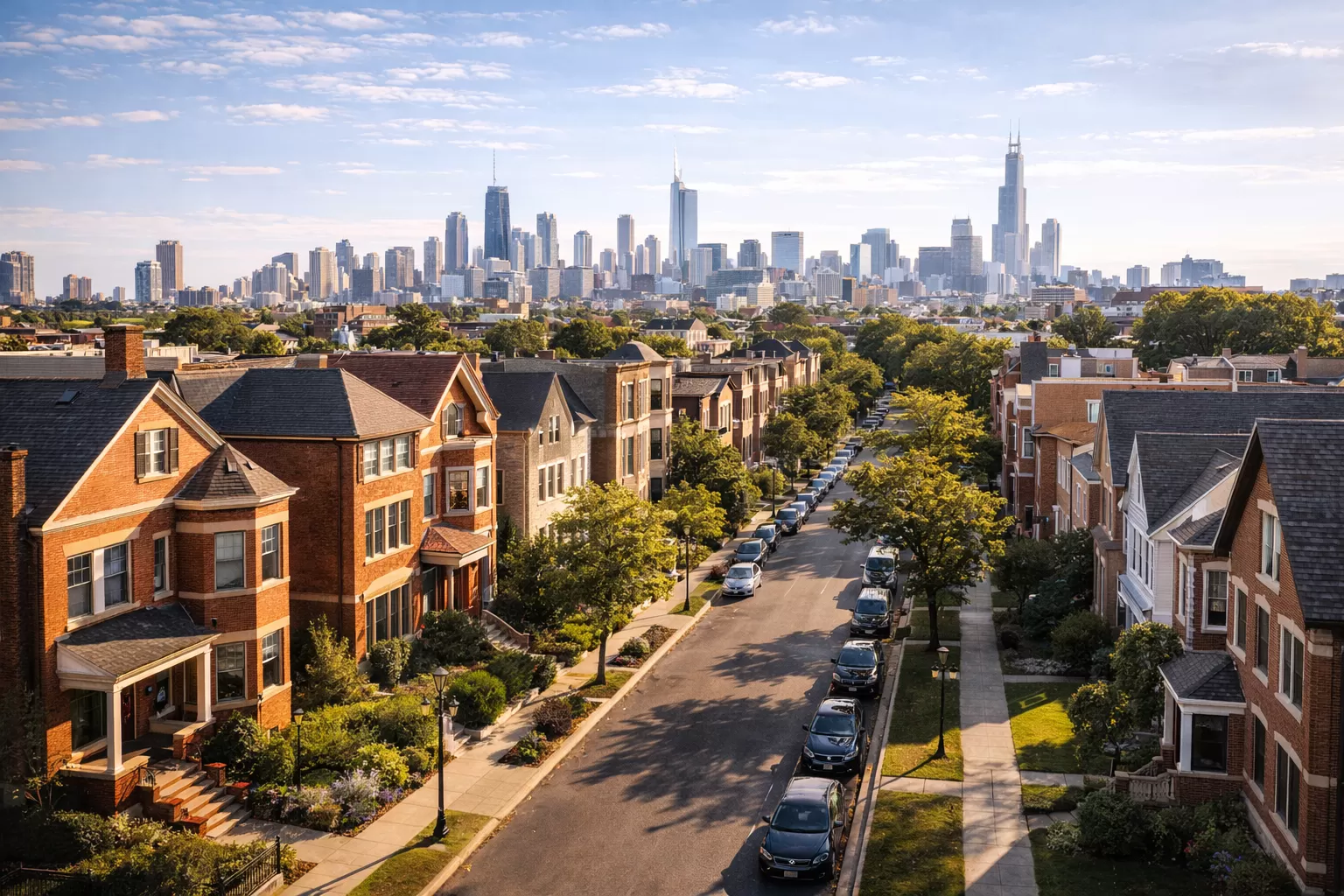
The best neighborhoods in Dallas for long-term home value typically combine strong population growth, stable school districts, expanding job access, and limited housing supply. Areas such as Lakewood, Preston Hollow, Frisco, Plano, and Bishop Arts consistently show durable property appreciation because they attract both homeowners and long-term renters while benefiting from infrastructure investment and economic expansion across North Texas. Buyers seeking long-term value should prioritize neighborhoods with strong local amenities, access to employment corridors, and consistent demand across multiple housing cycles.
Why Dallas Real Estate Continues To Build Long-Term Value
Dallas has become one of the most resilient housing markets in the United States because of sustained job creation, corporate relocations, and population growth. These forces increase housing demand across multiple price tiers and support steady home value appreciation over long holding periods.
Over the past two decades, the Dallas–Fort Worth metro area has repeatedly ranked among the fastest-growing metropolitan regions in the country. Major employers in technology, finance, healthcare, logistics, and telecommunications continue to expand operations across North Texas. This diversified economic base reduces dependence on a single industry and stabilizes housing demand even during national economic slowdowns.
Population growth plays a critical role in long-term property value. As more residents relocate to Dallas for employment opportunities and lower cost of living compared with coastal markets, demand for housing spreads across both urban neighborhoods and suburban communities. When demand increases faster than available housing supply, property values tend to rise steadily.
Infrastructure investment further strengthens neighborhood desirability. Dallas has expanded major transportation corridors, including the Dallas North Tollway, Interstate 635 improvements, and the DART rail system. These projects improve commute times and increase the attractiveness of nearby residential areas, which historically supports property value growth.
| Growth Factor | Impact on Home Values | Example in Dallas |
|---|---|---|
| Population Growth | Increases long-term housing demand | Continuous migration into the Dallas–Fort Worth metro area |
| Corporate Relocation | Brings high-income employment | Companies relocating headquarters to North Texas |
| Infrastructure Expansion | Improves accessibility and livability | DART rail and highway expansion projects |
| Economic Diversity | Reduces housing market volatility | Strong presence of finance, tech, healthcare, and logistics |
Because these drivers operate across decades rather than short cycles, neighborhoods positioned near employment centers, transit infrastructure, and quality schools tend to deliver the most stable long-term property performance.
How To Evaluate A Dallas Neighborhood For Long-Term Home Appreciation
Identifying the best Dallas neighborhood for long-term value requires more than reviewing current home prices. Long-term appreciation is typically influenced by demographic trends, housing supply constraints, school district reputation, and access to employment hubs.
Experienced buyers and property investors often examine several indicators before purchasing a home intended for long-term ownership or investment.
1. School District Strength
Homes located within well-rated school districts consistently retain stronger resale demand. Families often prioritize education access when relocating, which creates steady buyer competition in neighborhoods served by respected school systems such as Highland Park ISD, Plano ISD, and Frisco ISD.
Even buyers without school-age children frequently consider school ratings because they influence future resale value and rental demand.
2. Proximity To Employment Centers
Dallas contains several major employment corridors including Downtown Dallas, the Telecom Corridor in Richardson, Legacy West in Plano, and Las Colinas in Irving. Neighborhoods within reasonable commuting distance of these hubs typically maintain stronger housing demand because professionals prefer shorter commute times.
As employment clusters grow, surrounding residential areas often experience steady appreciation due to increased housing competition.
3. Limited Housing Supply
Neighborhoods with limited land for new construction frequently see stronger long-term price growth. When development opportunities are constrained by zoning, established housing stock, or geographic boundaries, rising demand can push home prices higher over time.
Older neighborhoods near central Dallas often benefit from this dynamic because redevelopment replaces older homes with higher-value properties while maintaining neighborhood desirability.
4. Lifestyle Amenities
Parks, retail districts, restaurants, walkable streets, and entertainment areas increase neighborhood appeal. Communities that offer a balanced lifestyle tend to attract long-term residents, which stabilizes property values.
Examples include proximity to White Rock Lake, walkable arts districts, or mixed-use developments with restaurants and retail within walking distance.
5. Transportation Access
Easy access to highways, tollways, and transit routes significantly influences home demand in the Dallas region. Buyers frequently prioritize neighborhoods near the Dallas North Tollway, Interstate 75, or DART rail stations to reduce commute times.
Transportation connectivity can also affect future appreciation because infrastructure investments often trigger nearby residential development and property value increases.
Top Dallas Neighborhoods With Strong Long-Term Housing Value
Several Dallas neighborhoods consistently demonstrate strong long-term property performance due to a combination of location, school quality, housing demand, and local amenities. These areas attract both primary homeowners and investors seeking stable appreciation.
| Neighborhood | Area Type | Typical Buyer Profile | Key Value Drivers |
|---|---|---|---|
| Lakewood | Urban residential | Families and professionals | Proximity to White Rock Lake, historic homes, strong community demand |
| Preston Hollow | Luxury residential | High-income buyers | Large properties, central location, prestige housing market |
| Frisco | Suburban growth market | Families and relocating professionals | Rapid job growth, new developments, strong schools |
| Plano | Established suburb | Families and long-term homeowners | Corporate employment hubs and top-rated schools |
| Bishop Arts District | Urban redevelopment | Young professionals and investors | Walkability, cultural district, redevelopment potential |
Each of these neighborhoods attracts consistent housing demand for different reasons. Some offer established prestige and limited housing supply, while others benefit from rapid suburban expansion and employment growth.
Lakewood
Lakewood is one of the most sought-after residential neighborhoods in Dallas due to its proximity to White Rock Lake and its collection of historic homes. Tree-lined streets, architectural diversity, and strong community identity make it attractive for long-term homeowners.
The neighborhood’s limited supply of historic properties combined with strong demand has historically supported steady home value appreciation. Access to outdoor recreation, highly regarded schools, and a short commute to downtown Dallas also contribute to long-term desirability.
Preston Hollow
Preston Hollow represents one of Dallas’s most established luxury residential areas. Large estate properties, privacy, and central access to major employment districts make the neighborhood attractive to high-net-worth buyers.
Because many homes sit on large lots and zoning restricts high-density development, housing supply remains limited. This scarcity often supports long-term property value stability even during slower housing cycles.
Why Frisco Is One Of The Fastest-Growing Housing Markets Near Dallas
Frisco has become one of the most attractive residential markets in the Dallas–Fort Worth region because of rapid job expansion, strong school districts, and continuous commercial development. Buyers seeking long-term property appreciation frequently target Frisco due to its sustained population growth and the concentration of new corporate campuses and retail developments.
Over the past decade, Frisco has transitioned from a suburban expansion area into a major economic hub. The development of Legacy West, The Star (Dallas Cowboys headquarters), and large mixed-use districts has transformed the local employment landscape. These developments bring high-income professionals into the area, increasing demand for housing.
Residential construction in Frisco has included master-planned communities designed around schools, parks, and shopping districts. While new construction increases housing supply, demand has historically remained strong because new residents continue to relocate to North Texas for employment opportunities.
Frisco Independent School District is another major driver of property demand. Families frequently prioritize the district due to its reputation for academic performance and modern school facilities. As a result, homes within Frisco ISD often maintain competitive resale demand.
Long-term buyers typically benefit from several factors in Frisco: proximity to major employment corridors along the Dallas North Tollway, access to modern infrastructure, and a consistent inflow of new residents relocating to the region.
How Plano Maintains Strong Long-Term Property Value
Plano is considered one of the most stable housing markets in North Texas because of its established infrastructure, strong employment base, and long-standing reputation for high-quality public schools. Unlike rapidly expanding suburbs, Plano offers a mature residential environment where housing demand remains steady across market cycles.
Several major corporations maintain significant operations in Plano, including financial services companies, technology firms, and telecommunications providers. These employment centers generate a large pool of professionals who prefer to live near their workplaces.
Plano’s residential neighborhoods also benefit from well-developed public amenities. Parks, recreation centers, shopping districts, and transportation connectivity make the city attractive to families planning to stay in a home for many years. These characteristics tend to stabilize property values because residents remain in the area long-term rather than frequently relocating.
Another factor supporting home values in Plano is the variety of housing options available. Buyers can find traditional single-family homes, luxury properties, and townhomes across multiple price ranges. This diversity broadens the potential buyer pool when properties enter the resale market.
Areas near Legacy West and the Legacy business corridor have shown particularly strong appreciation due to their proximity to employment centers, entertainment districts, and modern mixed-use developments.
Why Bishop Arts District Attracts Long-Term Real Estate Investors
The Bishop Arts District represents one of Dallas’s most notable urban revitalization success stories. Located in the Oak Cliff area, the district has transformed into a vibrant neighborhood known for independent restaurants, boutique shops, and creative businesses.
Real estate investors often target Bishop Arts because redevelopment has increased property demand while the neighborhood retains historic housing stock and walkable streets. This combination creates a unique urban environment that appeals to younger buyers and professionals seeking proximity to downtown Dallas.
Property appreciation in revitalized urban districts typically occurs gradually as new businesses open, infrastructure improves, and older buildings are renovated. Bishop Arts has followed this pattern over the past two decades, attracting both homeowners and small-scale real estate investors.
Homes within walking distance of the main commercial district often command higher resale interest because of lifestyle convenience. Access to public transit, proximity to downtown Dallas, and the neighborhood’s cultural identity also contribute to long-term housing demand.
For buyers who prefer urban living rather than suburban communities, Bishop Arts offers a distinct investment profile. While lot sizes are smaller than suburban properties, the area's walkability and redevelopment momentum can support strong appreciation over time.
Comparing Long-Term Value Across Top Dallas Neighborhoods
Each Dallas neighborhood offers a different combination of appreciation potential, housing style, and buyer demographics. Understanding these differences can help buyers align their purchase decision with long-term financial goals and lifestyle preferences.
| Neighborhood | Primary Strength | Typical Home Style | Long-Term Value Driver |
|---|---|---|---|
| Lakewood | Historic charm and proximity to nature | Traditional and historic homes | Limited housing supply near White Rock Lake |
| Preston Hollow | Luxury residential environment | Large estate homes | Scarcity of large lots and central location |
| Frisco | Rapid population and job growth | Modern suburban homes | Corporate relocations and new development |
| Plano | Established community stability | Family-oriented neighborhoods | Corporate employment centers and strong schools |
| Bishop Arts | Urban lifestyle and redevelopment | Historic homes and renovated properties | Walkability and cultural district growth |
Buyers focused on stability and established prestige often gravitate toward areas like Preston Hollow or Lakewood. Those seeking growth-driven appreciation may prefer rapidly expanding suburbs such as Frisco. Investors interested in urban revitalization may consider districts like Bishop Arts where redevelopment continues to increase property demand.
Common Mistakes When Buying A Home In Dallas For Long-Term Value
Even in a strong housing market like Dallas, certain purchasing mistakes can reduce long-term investment performance. Buyers who understand these risks can make more informed real estate decisions.
Choosing Based Only On Current Price
Some buyers prioritize lower purchase prices without evaluating the neighborhood’s long-term growth potential. Areas with weak infrastructure, limited employment access, or declining school quality may appreciate more slowly than established neighborhoods.
Ignoring Transportation Infrastructure
Commute times significantly influence housing demand in Dallas. Buyers who select properties far from major highways or employment centers may face reduced resale demand compared with homes in more accessible areas.
Overlooking Neighborhood Development Plans
Local zoning changes, planned retail developments, or infrastructure projects can significantly influence future property values. Reviewing city planning documents and development proposals helps buyers understand whether an area is likely to grow or stagnate.
Underestimating Property Maintenance Costs
Older homes in historic neighborhoods can deliver strong appreciation but may require significant maintenance or renovation. Buyers should evaluate long-term upkeep costs before purchasing historic properties.
Buying Without Considering Resale Demand
Real estate markets evolve over time. Homes with unusual layouts, highly customized features, or locations in less desirable school zones may be more difficult to resell in the future.
Buyers who consider future resale demand during the purchase process are more likely to benefit from sustained long-term property value.
Why Frisco Is One Of The Fastest-Growing Housing Markets Near Dallas
Frisco has become one of the most attractive residential markets in the Dallas–Fort Worth region because of rapid job expansion, strong school districts, and continuous commercial development. Buyers seeking long-term property appreciation frequently target Frisco due to its sustained population growth and the concentration of new corporate campuses and retail developments.
Over the past decade, Frisco has transitioned from a suburban expansion area into a major economic hub. The development of Legacy West, The Star (Dallas Cowboys headquarters), and large mixed-use districts has transformed the local employment landscape. These developments bring high-income professionals into the area, increasing demand for housing.
Residential construction in Frisco has included master-planned communities designed around schools, parks, and shopping districts. While new construction increases housing supply, demand has historically remained strong because new residents continue to relocate to North Texas for employment opportunities.
Frisco Independent School District is another major driver of property demand. Families frequently prioritize the district due to its reputation for academic performance and modern school facilities. As a result, homes within Frisco ISD often maintain competitive resale demand.
Long-term buyers typically benefit from several factors in Frisco: proximity to major employment corridors along the Dallas North Tollway, access to modern infrastructure, and a consistent inflow of new residents relocating to the region.
How Plano Maintains Strong Long-Term Property Value
Plano is considered one of the most stable housing markets in North Texas because of its established infrastructure, strong employment base, and long-standing reputation for high-quality public schools. Unlike rapidly expanding suburbs, Plano offers a mature residential environment where housing demand remains steady across market cycles.
Several major corporations maintain significant operations in Plano, including financial services companies, technology firms, and telecommunications providers. These employment centers generate a large pool of professionals who prefer to live near their workplaces.
Plano’s residential neighborhoods also benefit from well-developed public amenities. Parks, recreation centers, shopping districts, and transportation connectivity make the city attractive to families planning to stay in a home for many years. These characteristics tend to stabilize property values because residents remain in the area long-term rather than frequently relocating.
Another factor supporting home values in Plano is the variety of housing options available. Buyers can find traditional single-family homes, luxury properties, and townhomes across multiple price ranges. This diversity broadens the potential buyer pool when properties enter the resale market.
Areas near Legacy West and the Legacy business corridor have shown particularly strong appreciation due to their proximity to employment centers, entertainment districts, and modern mixed-use developments.
Why Bishop Arts District Attracts Long-Term Real Estate Investors
The Bishop Arts District represents one of Dallas’s most notable urban revitalization success stories. Located in the Oak Cliff area, the district has transformed into a vibrant neighborhood known for independent restaurants, boutique shops, and creative businesses.
Real estate investors often target Bishop Arts because redevelopment has increased property demand while the neighborhood retains historic housing stock and walkable streets. This combination creates a unique urban environment that appeals to younger buyers and professionals seeking proximity to downtown Dallas.
Property appreciation in revitalized urban districts typically occurs gradually as new businesses open, infrastructure improves, and older buildings are renovated. Bishop Arts has followed this pattern over the past two decades, attracting both homeowners and small-scale real estate investors.
Homes within walking distance of the main commercial district often command higher resale interest because of lifestyle convenience. Access to public transit, proximity to downtown Dallas, and the neighborhood’s cultural identity also contribute to long-term housing demand.
For buyers who prefer urban living rather than suburban communities, Bishop Arts offers a distinct investment profile. While lot sizes are smaller than suburban properties, the area's walkability and redevelopment momentum can support strong appreciation over time.
Comparing Long-Term Value Across Top Dallas Neighborhoods
Each Dallas neighborhood offers a different combination of appreciation potential, housing style, and buyer demographics. Understanding these differences can help buyers align their purchase decision with long-term financial goals and lifestyle preferences.
| Neighborhood | Primary Strength | Typical Home Style | Long-Term Value Driver |
|---|---|---|---|
| Lakewood | Historic charm and proximity to nature | Traditional and historic homes | Limited housing supply near White Rock Lake |
| Preston Hollow | Luxury residential environment | Large estate homes | Scarcity of large lots and central location |
| Frisco | Rapid population and job growth | Modern suburban homes | Corporate relocations and new development |
| Plano | Established community stability | Family-oriented neighborhoods | Corporate employment centers and strong schools |
| Bishop Arts | Urban lifestyle and redevelopment | Historic homes and renovated properties | Walkability and cultural district growth |
Buyers focused on stability and established prestige often gravitate toward areas like Preston Hollow or Lakewood. Those seeking growth-driven appreciation may prefer rapidly expanding suburbs such as Frisco. Investors interested in urban revitalization may consider districts like Bishop Arts where redevelopment continues to increase property demand.
Common Mistakes When Buying A Home In Dallas For Long-Term Value
Even in a strong housing market like Dallas, certain purchasing mistakes can reduce long-term investment performance. Buyers who understand these risks can make more informed real estate decisions.
Choosing Based Only On Current Price
Some buyers prioritize lower purchase prices without evaluating the neighborhood’s long-term growth potential. Areas with weak infrastructure, limited employment access, or declining school quality may appreciate more slowly than established neighborhoods.
Ignoring Transportation Infrastructure
Commute times significantly influence housing demand in Dallas. Buyers who select properties far from major highways or employment centers may face reduced resale demand compared with homes in more accessible areas.
Overlooking Neighborhood Development Plans
Local zoning changes, planned retail developments, or infrastructure projects can significantly influence future property values. Reviewing city planning documents and development proposals helps buyers understand whether an area is likely to grow or stagnate.
Underestimating Property Maintenance Costs
Older homes in historic neighborhoods can deliver strong appreciation but may require significant maintenance or renovation. Buyers should evaluate long-term upkeep costs before purchasing historic properties.
Buying Without Considering Resale Demand
Real estate markets evolve over time. Homes with unusual layouts, highly customized features, or locations in less desirable school zones may be more difficult to resell in the future.
Buyers who consider future resale demand during the purchase process are more likely to benefit from sustained long-term property value.
Emerging Dallas Neighborhoods With Future Appreciation Potential
In addition to established residential communities, several emerging neighborhoods in Dallas are gaining attention from buyers and investors because of redevelopment projects, transportation improvements, and growing local amenities. While these areas may not yet match the prestige of long-established neighborhoods, their growth trajectory can create meaningful long-term appreciation opportunities.
Urban revitalization initiatives across Dallas have encouraged investment in historically underdeveloped districts. As new businesses open, public infrastructure improves, and residential redevelopment occurs, housing demand gradually increases.
East Dallas Expansion Areas
Several parts of East Dallas outside the Lakewood core are experiencing gradual revitalization. Renovations of older homes, new restaurants, and improved community infrastructure have begun attracting buyers seeking relatively affordable properties near central Dallas.
Proximity to White Rock Lake, downtown employment centers, and established residential areas provides a foundation for long-term growth. Buyers entering these neighborhoods early in the redevelopment cycle often benefit as demand expands over time.
Design District Residential Growth
The Dallas Design District, historically known for showrooms and industrial buildings, has gradually evolved into a mixed-use neighborhood. Residential developments, art galleries, restaurants, and office spaces are reshaping the area’s identity.
As more residential properties enter the market and nearby employment centers expand, the district may continue attracting professionals who prefer an urban lifestyle close to downtown Dallas.
West Dallas Redevelopment
West Dallas has experienced increasing redevelopment activity during the past decade. Infrastructure improvements, new residential projects, and proximity to the Trinity River corridor have contributed to rising interest from both developers and homebuyers.
While redevelopment areas typically involve higher risk than established neighborhoods, they may also offer greater long-term appreciation potential when supported by infrastructure investment and strong population growth.
Steps To Buying A Home In Dallas For Long-Term Value
Purchasing a home with long-term appreciation in mind requires a structured approach. Buyers who carefully analyze local market conditions, financing options, and neighborhood trends can make more informed real estate decisions.
| Step | Action | Purpose |
|---|---|---|
| 1 | Review financial readiness and mortgage options | Determine realistic home budget |
| 2 | Research neighborhoods with strong long-term demand | Identify areas with appreciation potential |
| 3 | Work with a licensed local real estate professional | Gain access to market insights and listings |
| 4 | Evaluate school districts, commute access, and amenities | Ensure long-term buyer demand |
| 5 | Conduct property inspection and valuation analysis | Confirm structural condition and fair pricing |
| 6 | Review property taxes, insurance, and maintenance costs | Understand long-term ownership expenses |
Dallas property taxes can vary depending on the county and school district. Buyers should review tax assessments carefully because property taxes influence long-term ownership costs and investment returns.
Insurance costs are another important consideration. Homes located in areas with higher weather risk may require additional insurance coverage, which can affect total monthly housing expenses.
Buyers who evaluate these financial factors alongside neighborhood growth potential are better positioned to achieve long-term property value stability.
Frequently Asked Questions
Which Dallas Neighborhoods Have The Highest Long-Term Property Appreciation?
Neighborhoods such as Lakewood, Preston Hollow, Plano, and Frisco have historically demonstrated strong long-term property value growth. These areas benefit from strong schools, employment access, and consistent housing demand.
Is Dallas A Good City For Long-Term Real Estate Investment?
Dallas is widely considered a strong long-term housing market due to population growth, corporate relocation, economic diversity, and ongoing infrastructure investment across the Dallas–Fort Worth metro area.
Are Suburbs Or Urban Neighborhoods Better For Long-Term Value In Dallas?
Both suburban and urban neighborhoods can provide long-term value depending on the buyer’s strategy. Suburbs like Frisco and Plano often benefit from population growth and strong school districts, while urban districts such as Bishop Arts attract demand through walkability and redevelopment.
What Factors Most Influence Home Value Growth In Dallas?
The most influential factors include proximity to employment centers, quality of school districts, transportation infrastructure, housing supply constraints, and neighborhood amenities.
How Important Are School Districts When Buying A Home In Dallas?
School districts play a major role in housing demand. Homes located within highly rated districts often attract stronger resale interest and maintain stable long-term property values.
Key Takeaways
- Neighborhood Choice Matters: Long-term home value in Dallas is strongly influenced by location, school quality, and proximity to employment centers.
- Established Areas Offer Stability: Neighborhoods like Lakewood and Preston Hollow benefit from limited housing supply and consistent buyer demand.
- Growing Suburbs Provide Expansion Potential: Cities such as Frisco and Plano attract relocating professionals and families due to strong schools and job growth.
- Urban Redevelopment Creates Opportunity: Districts like Bishop Arts and parts of West Dallas continue to gain value through revitalization and lifestyle amenities.
- Careful Research Improves Investment Outcomes: Evaluating infrastructure, taxes, and resale demand helps buyers choose neighborhoods that support long-term property appreciation.
References
- U.S. Census Bureau – Dallas–Fort Worth Population Growth Data
- Texas Real Estate Research Center – Housing Market Reports
- Dallas Economic Development Corporation – Corporate Relocation Statistics
- North Texas Real Estate Information Systems (NTREIS) Market Reports
- City of Dallas Planning and Urban Development Department